
Top Hospitals in China
Book top-ranked medical institutions in China. Reference costs, not promises; we add zero markup to your hospital bill.
verified_user Independent patient coordination. Zero hospital markups. Not medical advice.
146 hospitals found
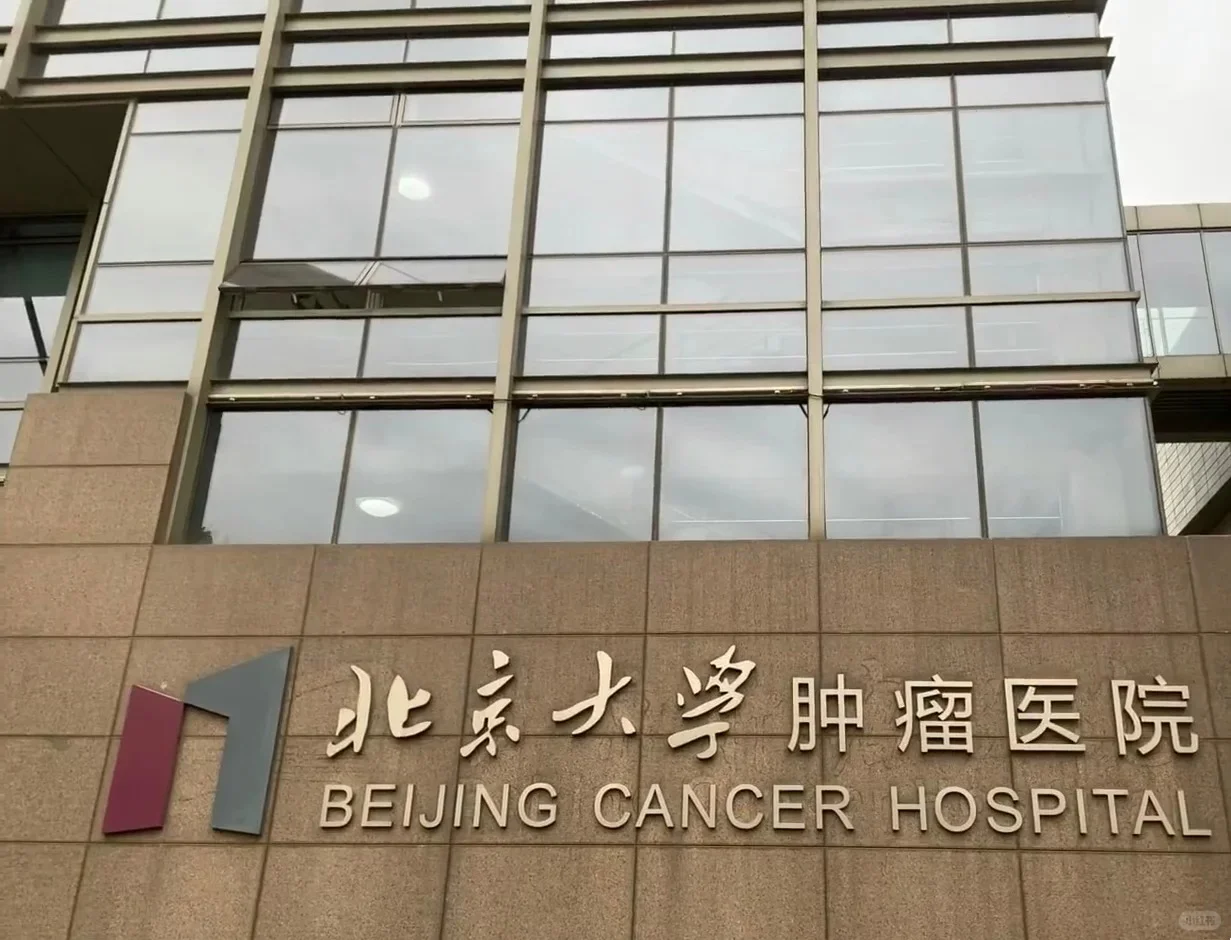
Peking University Cancer Hospital

Established in 1976, Peking University Cancer Hospital (Beijing Cancer Hospital) is a national Class A tertiary specialty hospital and a key component of the National Clinical Research Center for Cancer. The hospital maintains leading national and advanced international standards in the comprehensive diagnosis and treatment of gastric cancer, breast cancer, colorectal cancer, and melanoma. As one of China's first pilot units for multidisciplinary team (MDT) clinics, the hospital promotes standardized, individualized, and precision medicine. Its gastric cancer prevention and treatment system has received the Second Prize of the National Science and Technology Progress Award.
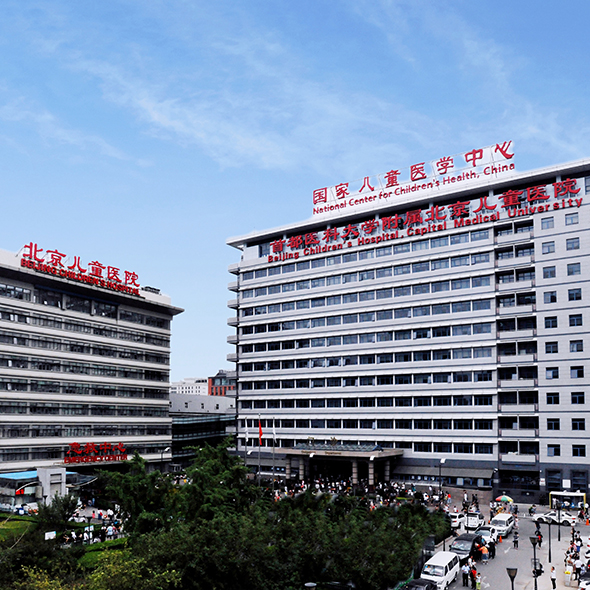
Beijing Children's Hospital, Capital Medical University
Beijing Children's Hospital, Capital Medical University, is a Class A tertiary comprehensive pediatric hospital integrating medical care, scientific research, teaching, and health promotion. It originated from the Peiping Private Children's Hospital founded in 1942 by Academician Zhu Futang, the founder of modern pediatrics in China. As one of the first National Children's Medical Centers, the hospital maintains significant technical expertise and leading standards in specialties such as pediatric hematology-oncology, respiratory medicine, critical care, and pediatric surgery. It serves as a premier academic institution for Chinese pediatrics and a national referral center for complex and severe pediatric cases.
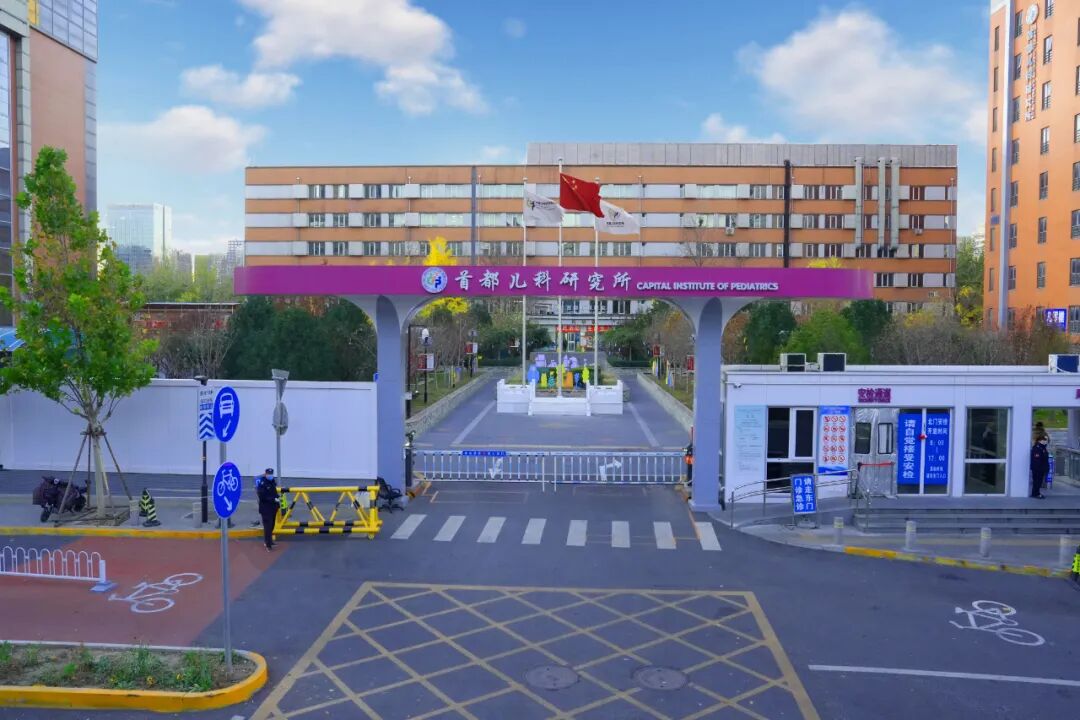
Capital Institute of Pediatrics
Established in 1958, the Capital Institute of Pediatrics (CIP) was the first pediatric research institution in the People's Republic of China. Its affiliated children's hospital is a Class A tertiary hospital, serving as an authoritative institution integrating basic pediatric research, clinical diagnosis and treatment, higher education, and preventive healthcare. The hospital maintains significant academic expertise and technical capabilities in pediatric respiratory medicine, asthma, infectious diseases, critical care medicine, and pediatric surgery. It leads numerous national key research projects and provides advanced diagnostic and therapeutic solutions for children with complex and critical conditions.
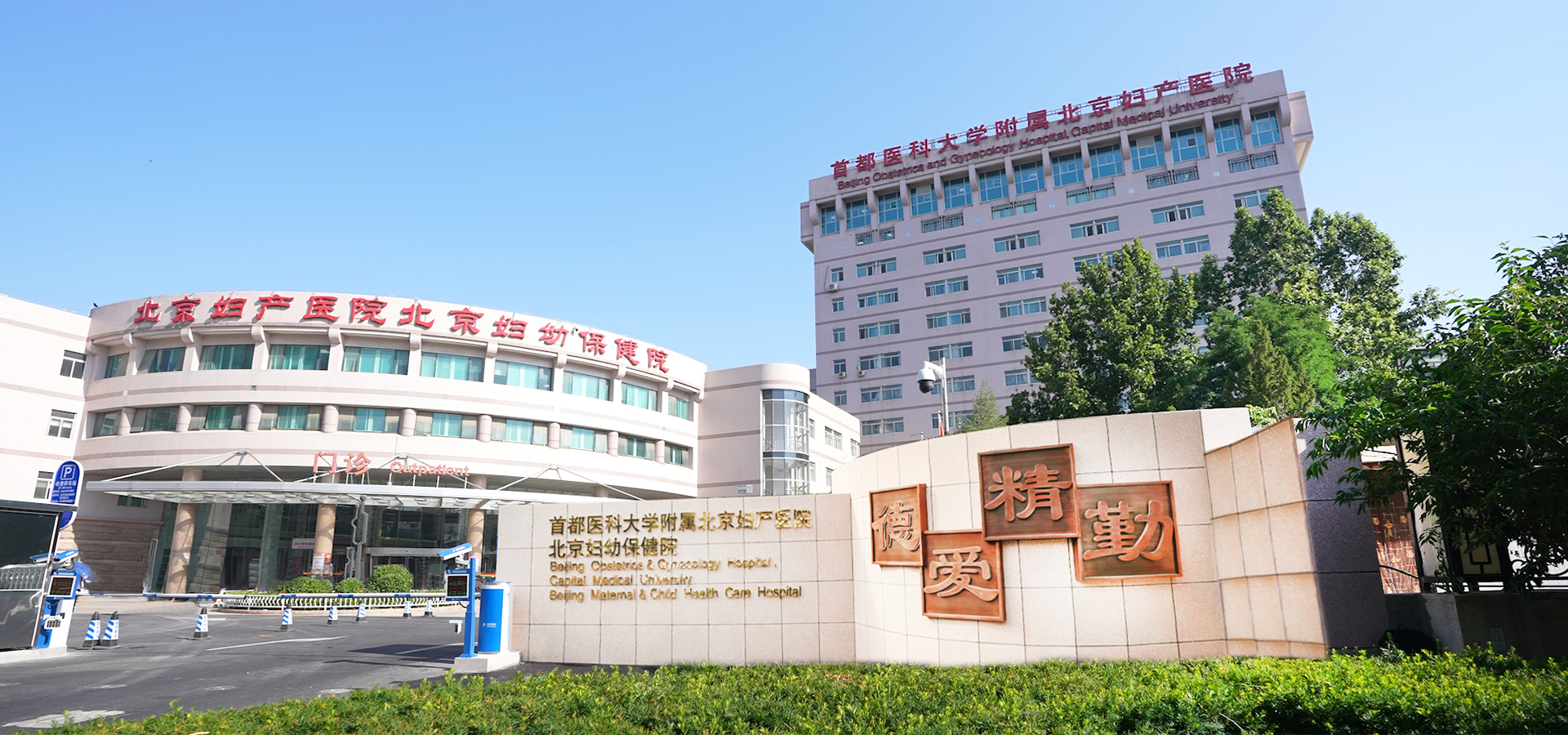
Beijing Obstetrics and Gynecology Hospital, Capital Medical University
Established in 1959, Beijing Obstetrics and Gynecology Hospital, Capital Medical University, is a leading Class A tertiary specialized hospital integrating clinical care, education, research, prevention, and healthcare. The hospital maintains significant technical advantages and international academic influence in gynecological endocrinology, maternal-fetal medicine, reproductive medicine, and minimally invasive gynecological surgery. As a national-level medical research and treatment base, the hospital specializes in complex and rare obstetric, gynecological, and reproductive disorders. Through its comprehensive premium and international medical service network, it provides efficient, professional, and private diagnostic and treatment experiences for international patients, offering competitive waiting times and cost advantages compared to similar top-tier institutions overseas.
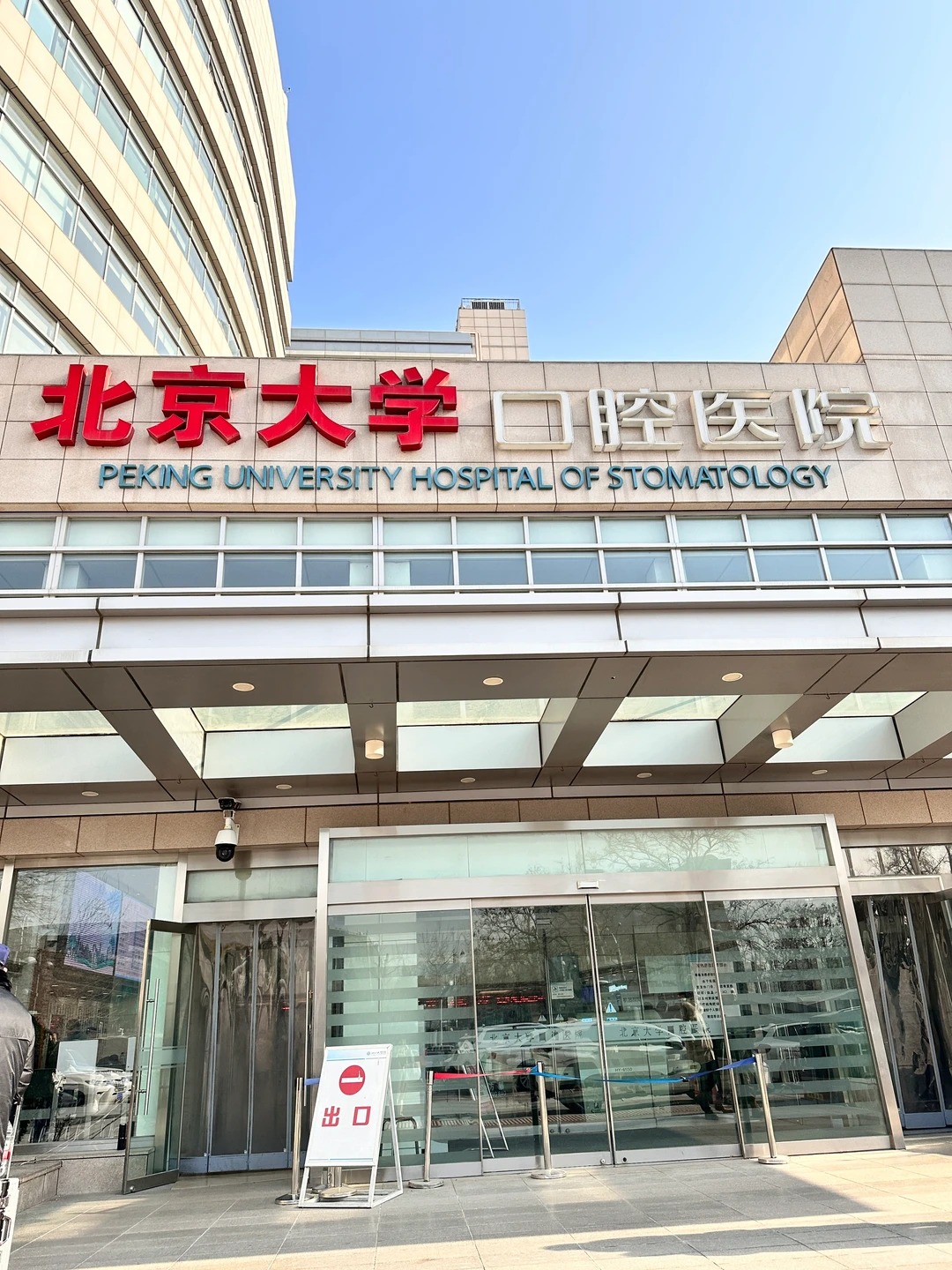
Peking University School and Hospital of Stomatology (PKU-SS)
Founded in 1941, Peking University School and Hospital of Stomatology is a National Center for Stomatology and a Class A tertiary specialized dental hospital under the National Health Commission. As a leading institution in China's dental medicine, the hospital features eight National Key Clinical Specialties, including Endodontics, Oral and Maxillofacial Surgery, and Dental Implantology. The hospital maintains high technical standards in managing complex and rare oral diseases through minimally invasive, comfortable treatments and high-precision digital diagnostics. Benchmarked against top international dental centers, it demonstrates significant advantages in treating complex cases, cost-effectiveness, and multidisciplinary consultation efficiency. It serves as a primary destination for patients with severe oral conditions and stands as a globally competitive clinical center.
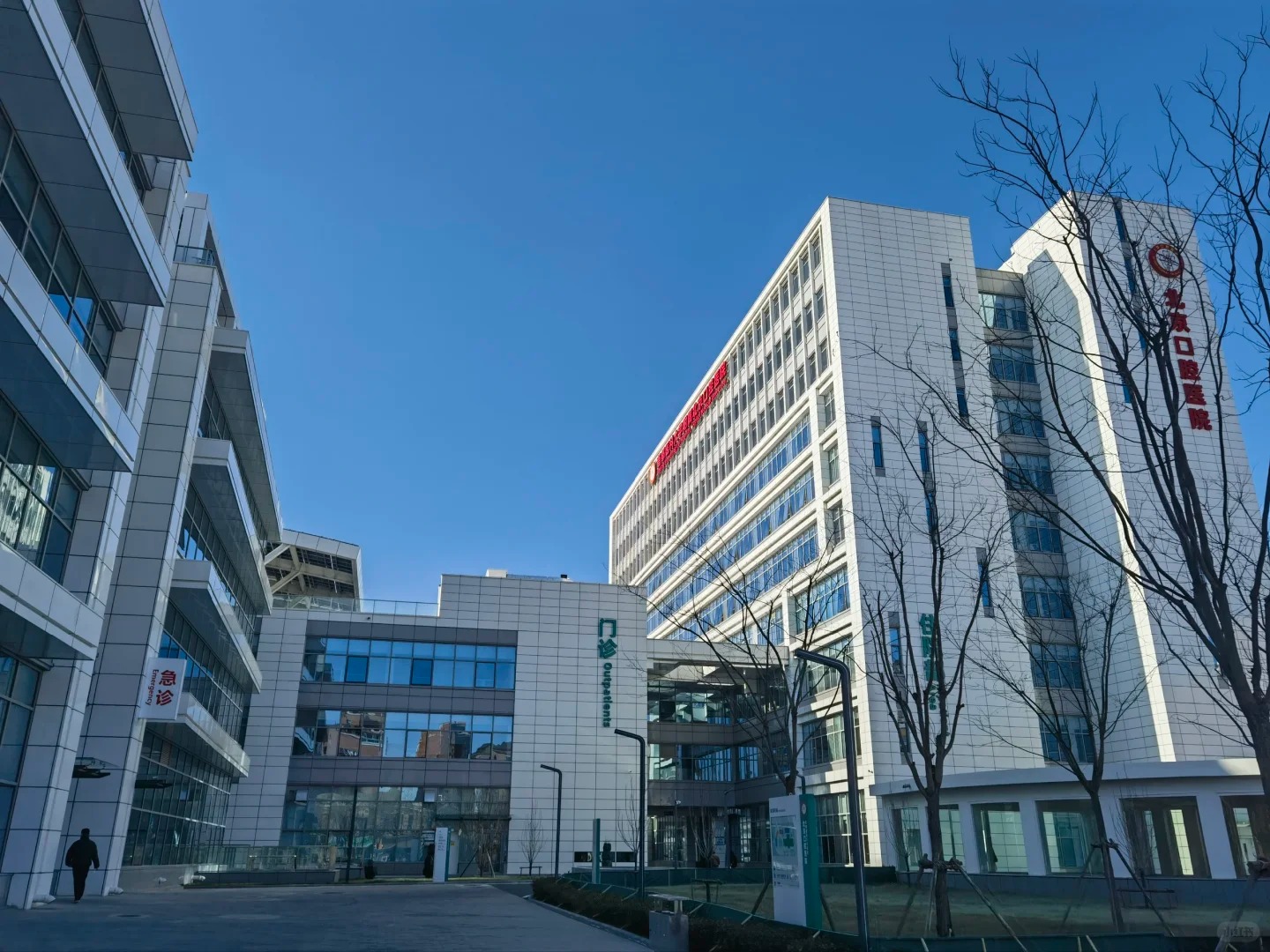
Beijing Stomatological Hospital, Capital Medical University
Founded in 1945, Beijing Stomatological Hospital, Capital Medical University, is a Class A tertiary specialized dental hospital integrating clinical care, education, research, and prevention. The hospital maintains significant clinical advantages and high technical standards in oral and maxillofacial surgery, operative dentistry and endodontics, periodontics, and digital prosthodontics. As a foundational institution of modern stomatology in China, it provides comprehensive diagnostic and treatment protocols for patients with complex and rare oral diseases.
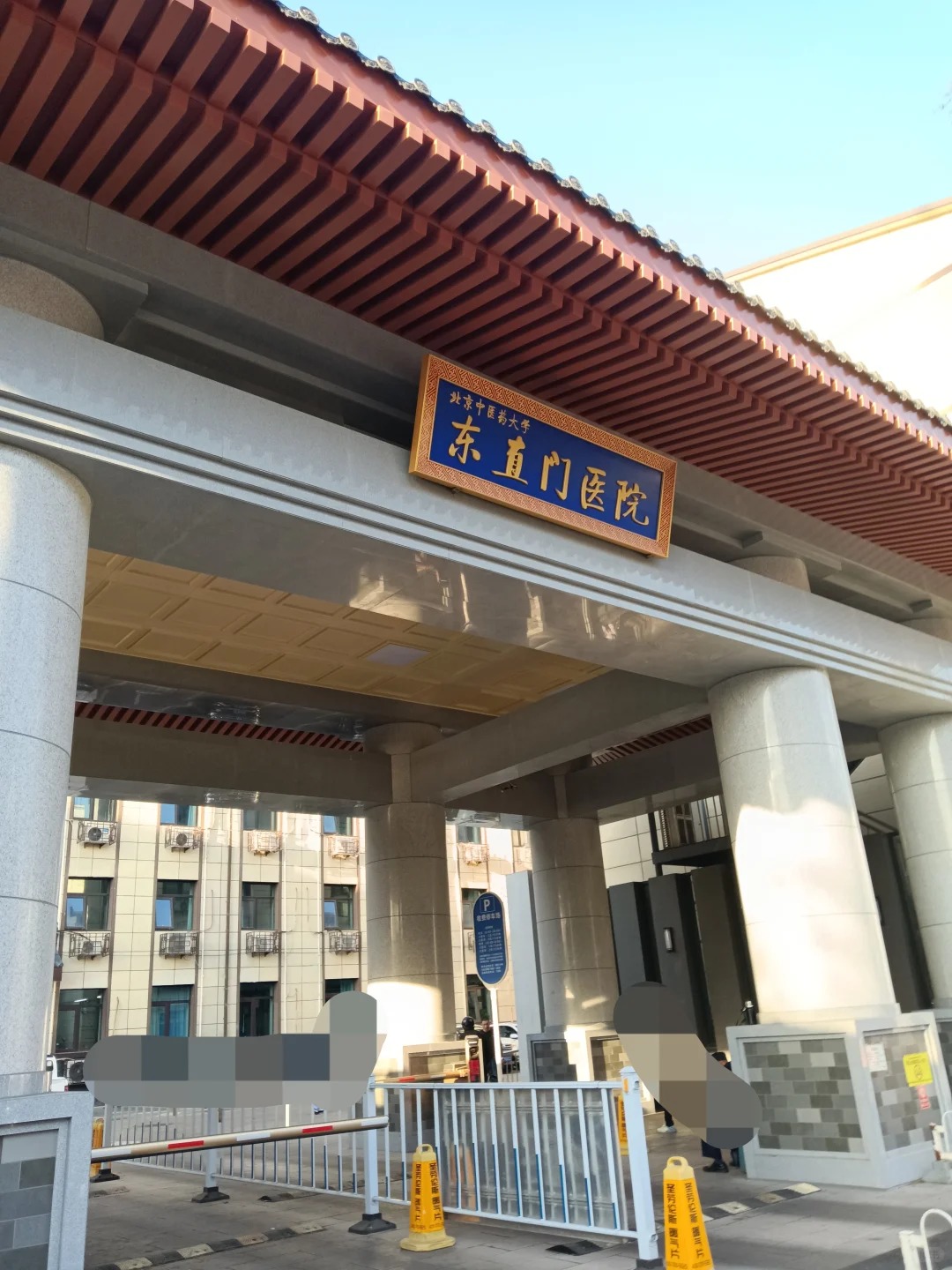
Dongzhimen Hospital, Beijing University of Chinese Medicine
Founded in 1958, Dongzhimen Hospital is an affiliated hospital of Beijing University of Chinese Medicine, a key institution under the national 'Project 211,' 'Project 985 Innovation Platform for Advantageous Disciplines,' and the 'Double First-Class' initiative. As a large-scale, comprehensive Class A tertiary hospital of Traditional Chinese Medicine (TCM) integrating medical care, education, and research, it maintains significant international influence and advanced clinical expertise in specialties such as cerebrovascular diseases, cardiovascular diseases, and respiratory diseases. As a National Clinical Research Center for TCM, the hospital attracts a substantial number of international patients annually through its authoritative integrated Chinese and Western medicine protocols.
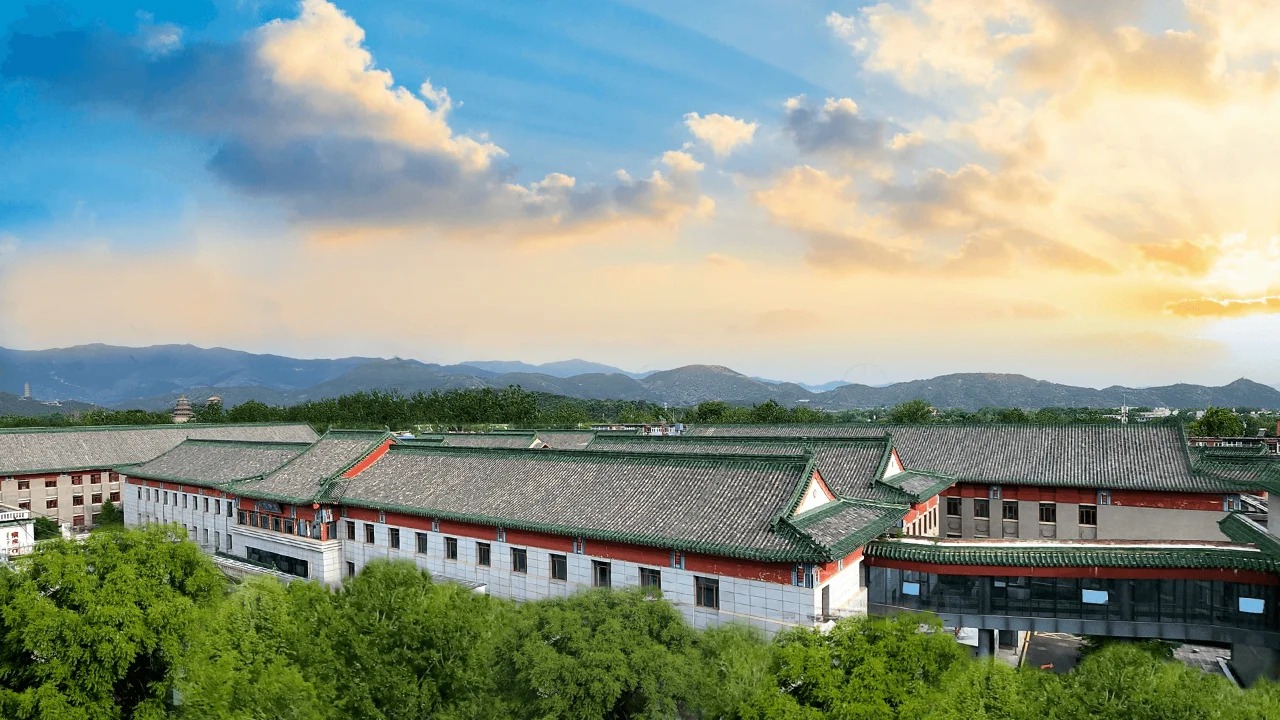
Xiyuan Hospital, China Academy of Chinese Medical Sciences
Founded in December 1955, Xiyuan Hospital of the China Academy of Chinese Medical Sciences (Xiyuan Hospital) was the first large-scale Traditional Chinese Medicine (TCM) hospital established by the central government after the founding of the People's Republic of China. As the First Clinical Medical Research Institute of the China Academy of Chinese Medical Sciences, it integrates medical care, scientific research, education, and health management. It serves as the National Clinical Research Center for Chinese Medicine Cardiovascular Diseases. The hospital features a distinguished team of experts, including Academician Chen Keji of the Chinese Academy of Sciences. It specializes in the integrated Chinese and Western medicine treatment of cardiovascular, gastrointestinal, and geriatric conditions, and maintains a leading national position in the internationalization and standardization of TCM.
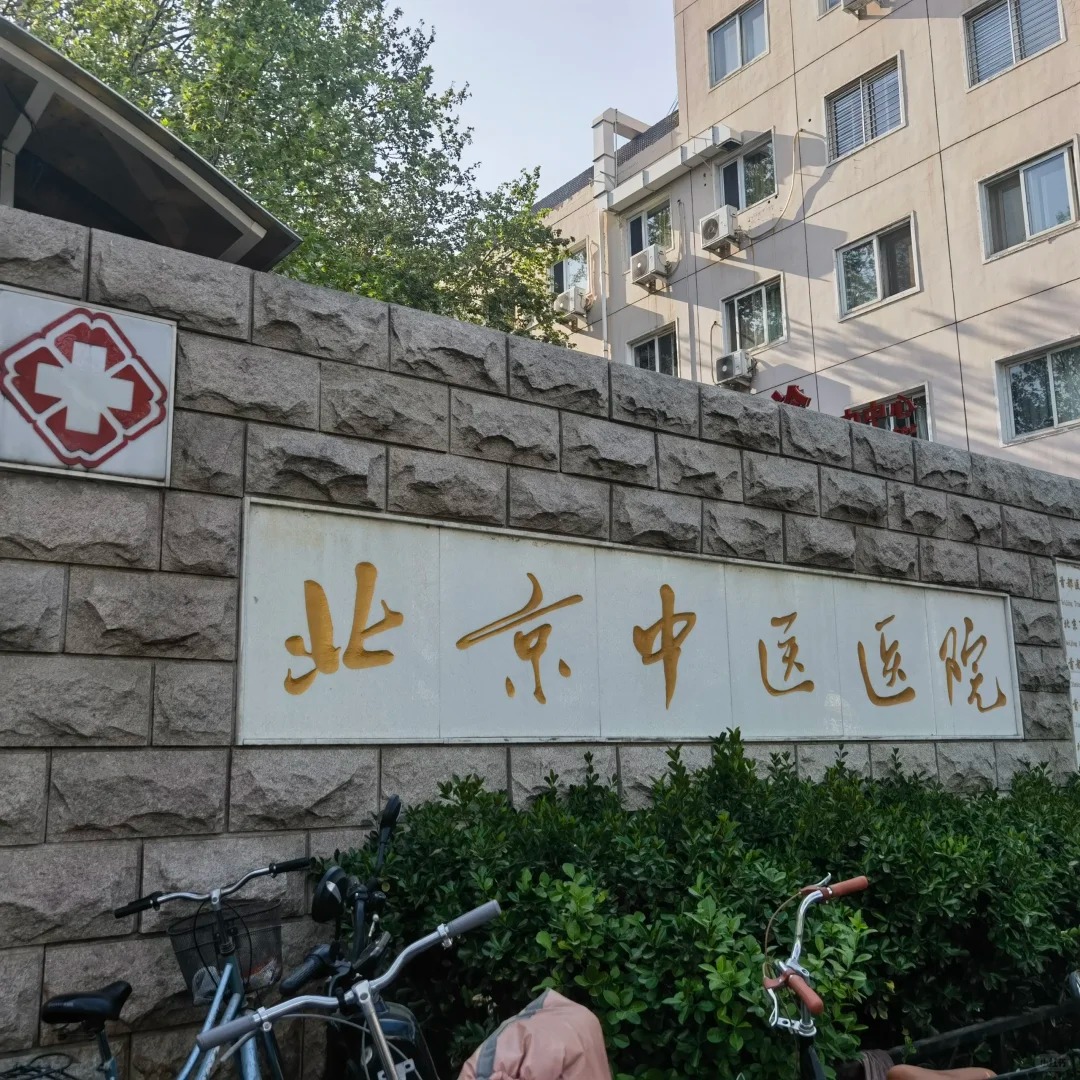
Beijing Hospital of Traditional Chinese Medicine, Capital Medical University
Established in 1956, Beijing Hospital of Traditional Chinese Medicine, Capital Medical University, is a comprehensive Class A tertiary hospital under the Beijing municipal government and one of the earliest provincial-level TCM hospitals in China. The hospital houses several national key clinical specialties, including TCM dermatology, gastroenterology, and acupuncture, and has established core technical expertise in TCM emergency medicine and chronic skin ulcers. As a leader in the internationalization of traditional Chinese medicine, the hospital has established overseas TCM institutions in Germany and Singapore. Its 'Kuanjie' series of proprietary hospital preparations, such as Shengfa Tincture and Chushi Pills, are highly regarded by patients both domestically and internationally.
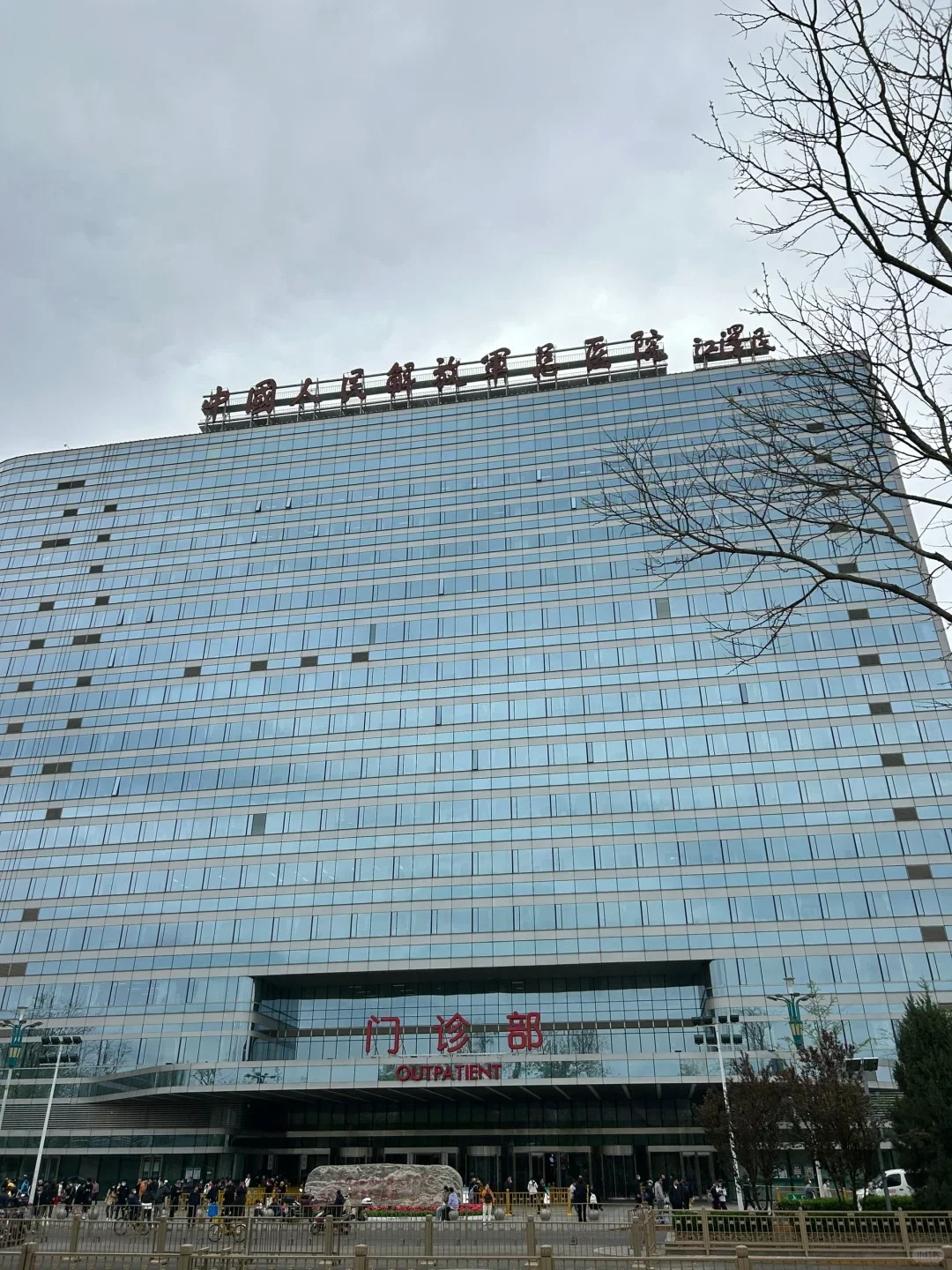
Chinese People's Liberation Army General Hospital (301 Hospital)
Founded in 1953, the Chinese People's Liberation Army (PLA) General Hospital (301 Hospital) is a large-scale modern comprehensive hospital integrating medical care, health preservation, teaching, and research. It is directly affiliated with the PLA Joint Logistics Support Force. The hospital maintains significant clinical advantages and high technical expertise in fields such as critical care, targeted tumor therapy and immunotherapy, geriatrics, orthopedics, and otolaryngology-head and neck surgery. As a national key medical base, the hospital features advanced medical equipment and an expert team led by academicians of the Chinese Academy of Sciences and the Chinese Academy of Engineering. It also operates a dedicated International Medical Center (VIP Department) to provide efficient expedited services for international patients. Compared to leading medical institutions in Europe and North America, 301 Hospital offers significant cost savings and substantially shorter waiting times for complex surgical procedures while maintaining comparable or higher success rates.