
Top Hospitals in China
Book top-ranked medical institutions in China. Reference costs, not promises; we add zero markup to your hospital bill.
verified_user Independent patient coordination. Zero hospital markups. Not medical advice.
146 hospitals found
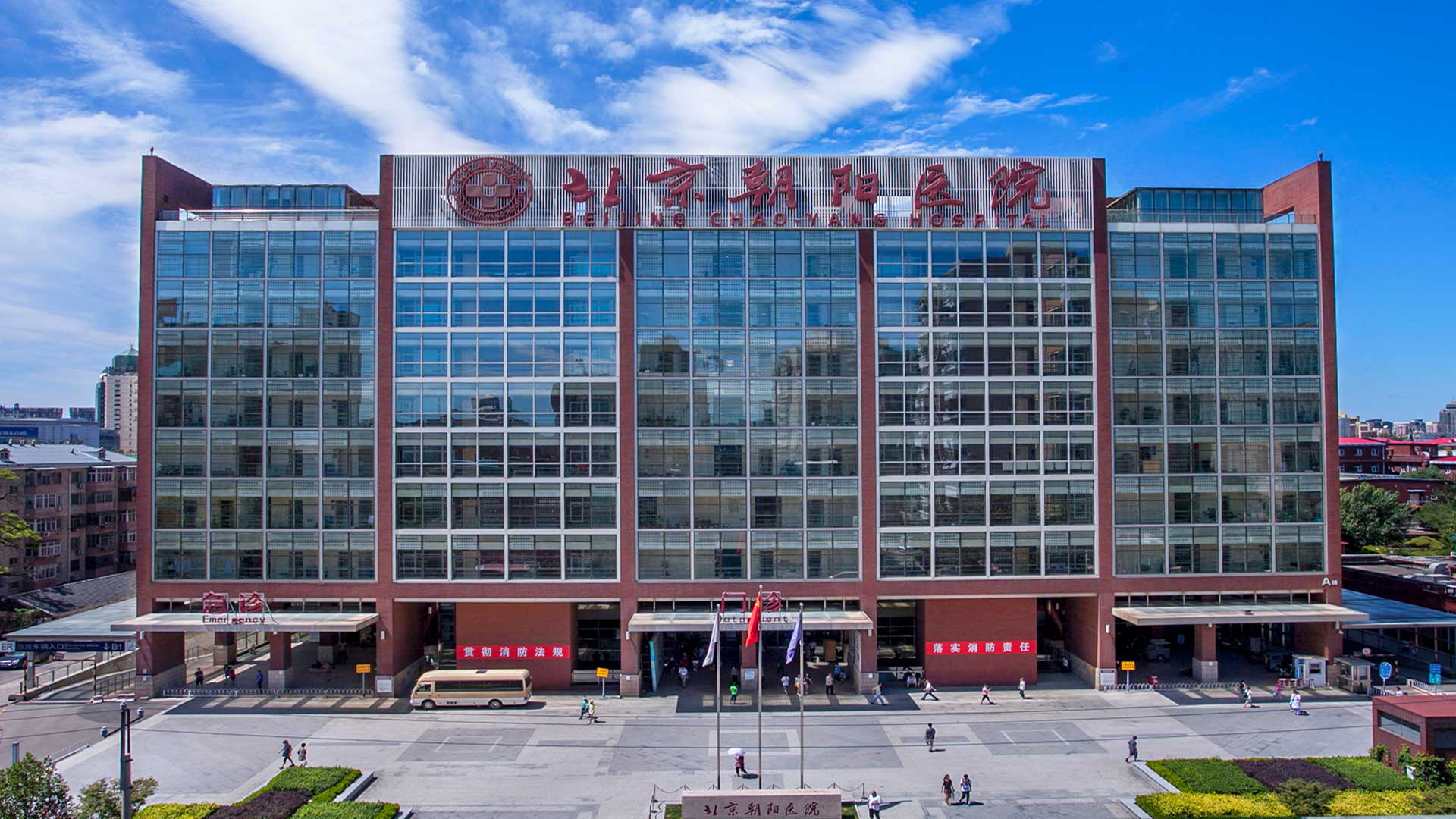
Beijing Chao-Yang Hospital, Capital Medical University

Beijing Chao-Yang Hospital, affiliated with Capital Medical University, is a comprehensive Class A tertiary hospital integrating medical care, education, research, and prevention. The hospital is a national leader in fields such as pulmonology, cardiology, and urology, and houses the Beijing Institute of Respiratory Medicine. As a key component of the National Center for Respiratory Medicine, it has established significant clinical expertise in COPD, respiratory failure, and critical care, with annual patient volumes among the highest of Beijing's municipal hospitals.
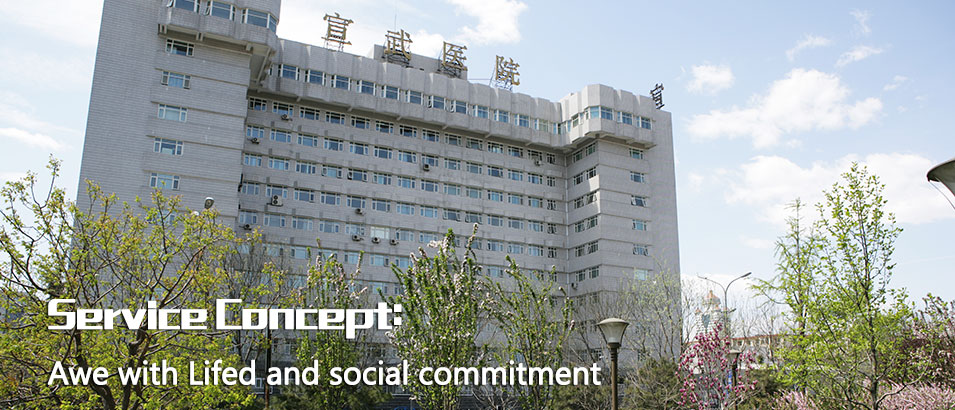
Xuanwu Hospital Capital Medical University
Founded in 1958, Xuanwu Hospital Capital Medical University is a comprehensive Class A tertiary hospital specializing in neuroscience and geriatrics. It serves as a National Center for Neurological Disorders. The hospital has long maintained a leading position in China for neurology, with its neurosurgery department also ranked among the top tier. As the home of the China International Neuroscience Institute (CHINA-INI), Xuanwu Hospital possesses advanced neurosurgical facilities and expert teams, earning a high international reputation for the diagnosis and treatment of complex neurological conditions such as cerebrovascular diseases, epilepsy, and skull base tumors. Compared to top neuroscience centers in Europe and the United States, Xuanwu Hospital offers significant advantages in clinical experience derived from high surgical volumes and relatively lower medical costs.

Beijing Hospital
Founded in 1905, Beijing Hospital is a Class A tertiary comprehensive hospital directly under the National Health Commission and serves as the National Center for Geriatrics. The hospital maintains a leading national and advanced international standing in fields such as geriatric medicine, respiratory medicine, and the diagnosis and treatment of cardiovascular and cerebrovascular diseases. Leveraging its extensive experience as a central healthcare base, its International Medical Center (Special Needs Department) provides high-quality clinical services for domestic and international patients, expatriates in China, and cross-border medical travelers. Compared to top-tier medical institutions in Europe and North America, Beijing Hospital offers significant technical expertise in multidisciplinary team (MDT) diagnosis and treatment for complex geriatric conditions, while maintaining a substantial cost advantage and significantly shorter waiting times in the international department, providing cross-border patients with high-efficiency and cost-effective medical solutions.

Beijing Tsinghua Changgung Hospital
Beijing Tsinghua Changgung Hospital is a large-scale comprehensive public hospital jointly established and managed by Tsinghua University and the Beijing Municipal Government, incorporating the modern management model of Taiwan's Chang Gung Memorial Hospital. The hospital features the Hepatobiliary and Pancreatic Center (led by Academician Dong Jiahong), the Neurological Center, and the Digestive Center as its core clinical specialties, implementing 'Integrated Healthcare' and the 'Attending Physician Responsibility System.' Following the opening of its Phase II project in 2025, the bed capacity expanded to 1,500, with a strategic focus on strengthening the Women and Children's Center and the Oncology Center. The hospital is a domestic leader in smart healthcare (HIMSS Level 7) and lean management, achieving high operational efficiency and patient satisfaction.

Peking University International Hospital
Peking University International Hospital is a large-scale non-profit tertiary general hospital jointly invested by Peking University and Founder Group. It also serves as the Eighth Clinical Medical College of Peking University. Located in the Zhongguancun Life Science Park in Changping District, Beijing, the hospital has an approved capacity of 1,800 beds and a total construction area of 440,000 square meters. It is the first hospital in China to achieve dual certification for international hospital management and infection control from DNV GL, and its information system has reached the HIMSS Level 7 international standard. The hospital deeply integrates the resources of elite disciplines from Peking University Health Science Center and features an International Medical Center to provide high-quality medical services aligned with international standards.
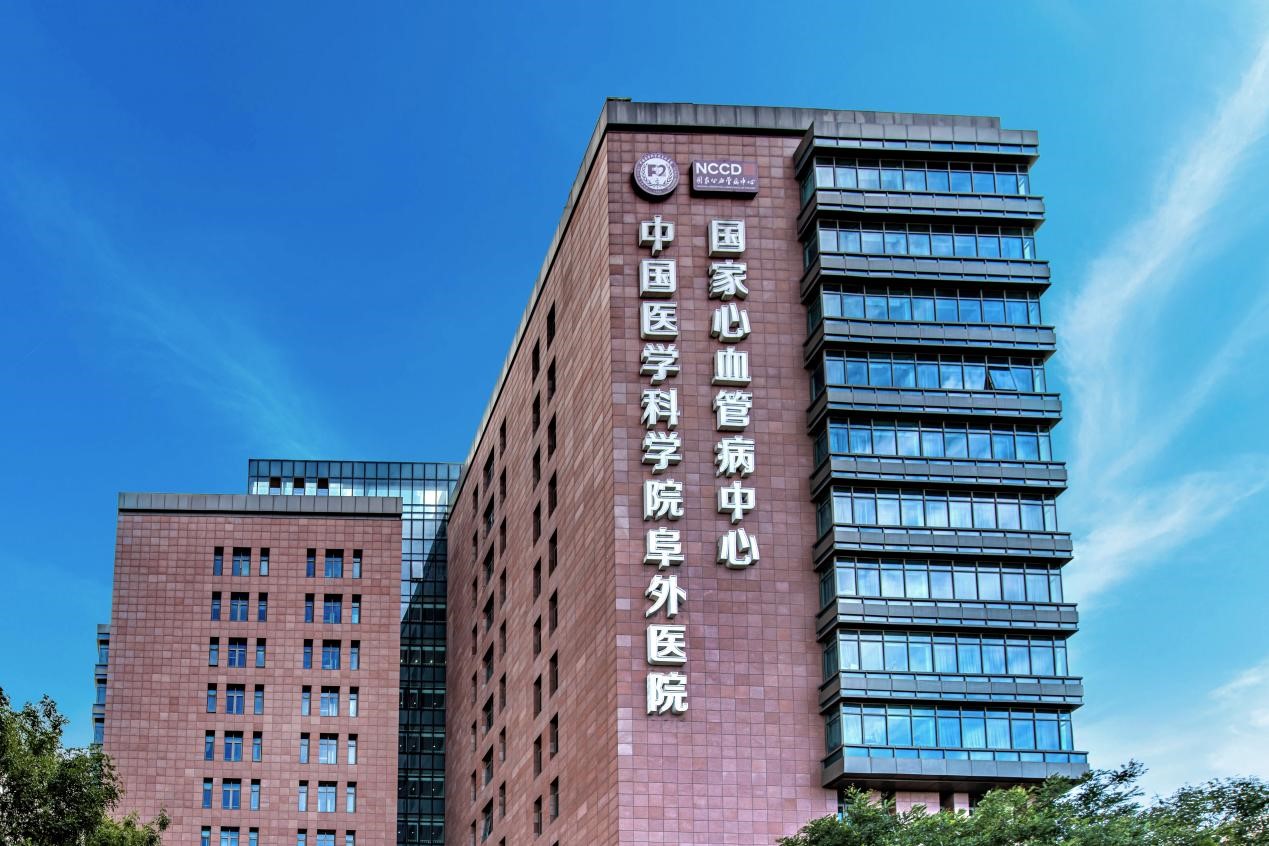
Fuwai Hospital, Chinese Academy of Medical Sciences
Fuwai Hospital, Chinese Academy of Medical Sciences (National Center for Cardiovascular Diseases), is the world's largest center for the diagnosis and treatment of cardiovascular diseases. The hospital holds a preeminent position in cardiovascular specialties and houses four national key laboratories. Its annual cardiac surgery volume has ranked first globally for consecutive years, with international acclaim for techniques in complex congenital heart disease, coronary artery bypass grafting (CABG), heart valve replacement, and heart transplantation. Through the National Center for Cardiovascular Diseases platform, the hospital integrates clinical research with translational medicine, establishing a comprehensive cardiovascular disease prevention and treatment system covering the entire life cycle.
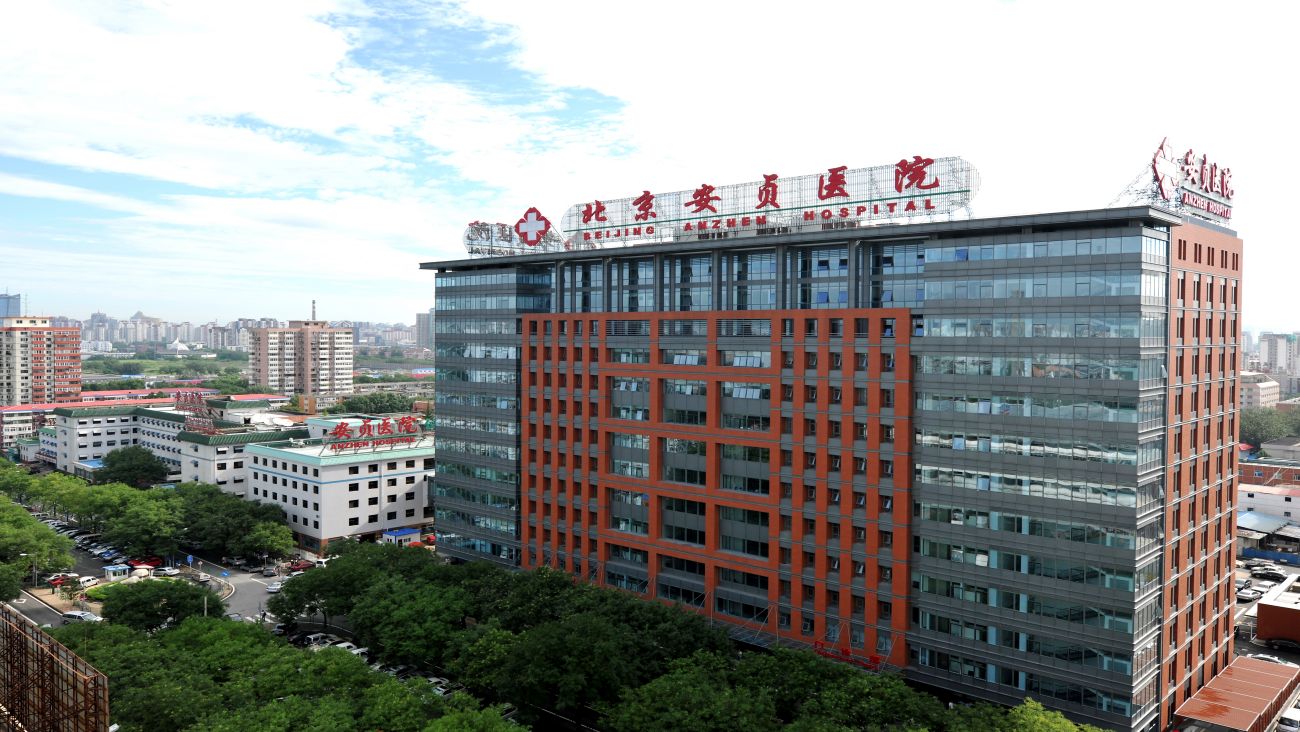
Beijing Anzhen Hospital, Capital Medical University
Beijing Anzhen Hospital, Capital Medical University, is a Class A tertiary comprehensive hospital specializing in the treatment of cardiovascular and pulmonary diseases, integrating clinical care, education, scientific research, prevention, and international exchange. As the National Clinical Research Center for Cardiovascular Diseases, the hospital maintains a leading international position in fields such as heart transplantation, macrovascular surgery, and coronary artery intervention. With the official opening of the Tongzhou Campus in 2024, the hospital has further enhanced its capacity and research translation efficiency as a major cardiac medical center.
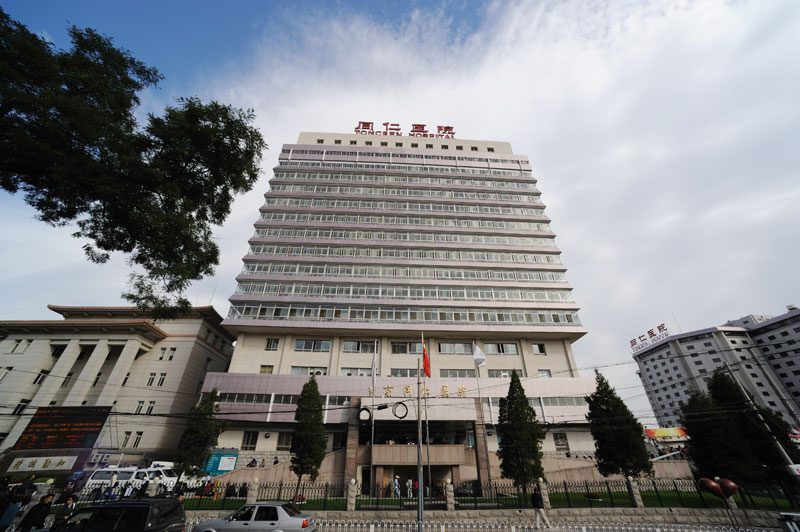
Beijing Tongren Hospital, Capital Medical University
Founded in 1886, Beijing Tongren Hospital, Capital Medical University, is a large-scale comprehensive Class A tertiary hospital with Ophthalmology and Otolaryngology as national key disciplines. The hospital maintains significant technical expertise and international recognition in areas such as complex ophthalmic diseases, corneal transplantation, cochlear implants, and minimally invasive head and neck surgery. For international patients, Tongren Hospital provides specialized medical technology comparable to top-tier global institutions, while offering significant advantages in waiting times for complex surgeries and overall medical costs.
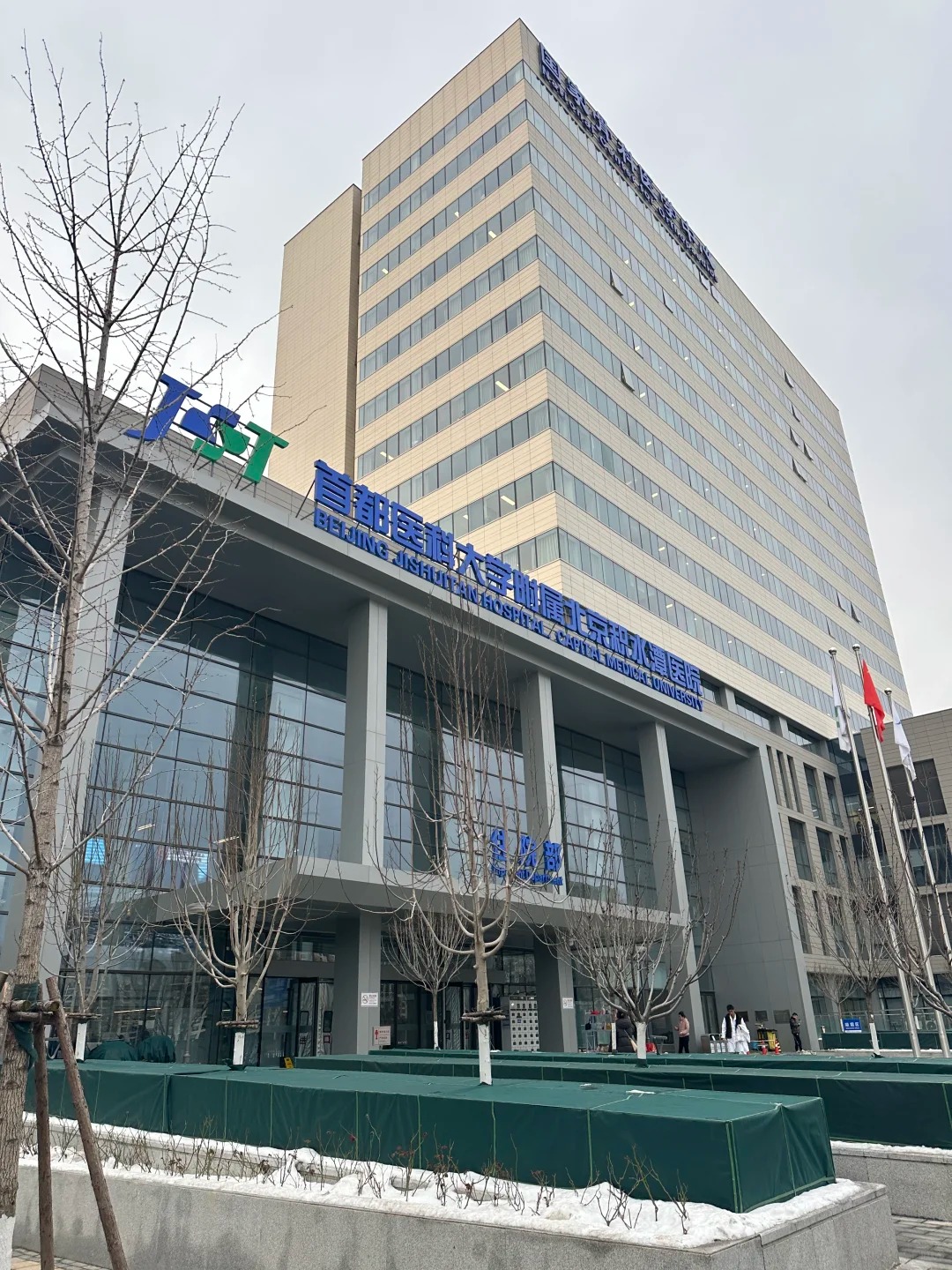
Beijing Jishuitan Hospital
Beijing Jishuitan Hospital is a comprehensive Class A tertiary hospital specializing in orthopedics and burn surgery. As the Fourth Clinical Medical College of Peking University, its orthopedic department has consistently ranked first in China for comprehensive strength. The hospital operates three campuses—Xinjiekou, Huilongguan, and Xinlongze—and serves as the National Center for Orthopaedics. It maintains an international leadership position in spinal surgery, joint surgery, orthopedic trauma, and computer-assisted orthopedic surgery (surgical robotics), holding numerous international patents for cutting-edge medical technologies.
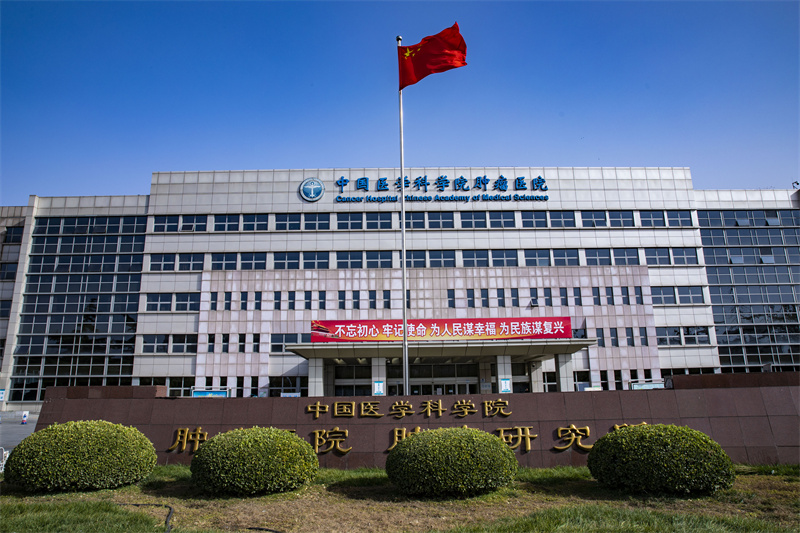
Cancer Hospital Chinese Academy of Medical Sciences
Established in 1958, the Cancer Hospital Chinese Academy of Medical Sciences (National Cancer Center) is the first specialized oncology hospital in the People's Republic of China and the largest center for cancer prevention, treatment, and research in Asia. As a National Clinical Research Center for Malignant Tumors, the hospital maintains leading standards in multidisciplinary team (MDT) treatment for common and complex cancers, including lung, esophageal, and breast cancers, as well as lymphoma. The facility is equipped with advanced medical technology, including proton therapy systems, MRI-guided linear accelerators, and da Vinci robotic surgical systems. Its oncology and thoracic surgery departments have consistently ranked first in the Fudan University China Hospital Specialty Reputation Rankings for many years, earning a significant international reputation in minimally invasive surgery, radiotherapy, and clinical trials for novel anti-tumor drugs.