
Top Hospitals in China
Book top-ranked medical institutions in China. Reference costs, not promises; we add zero markup to your hospital bill.
verified_user Independent patient coordination. Zero hospital markups. Not medical advice.
146 hospitals found
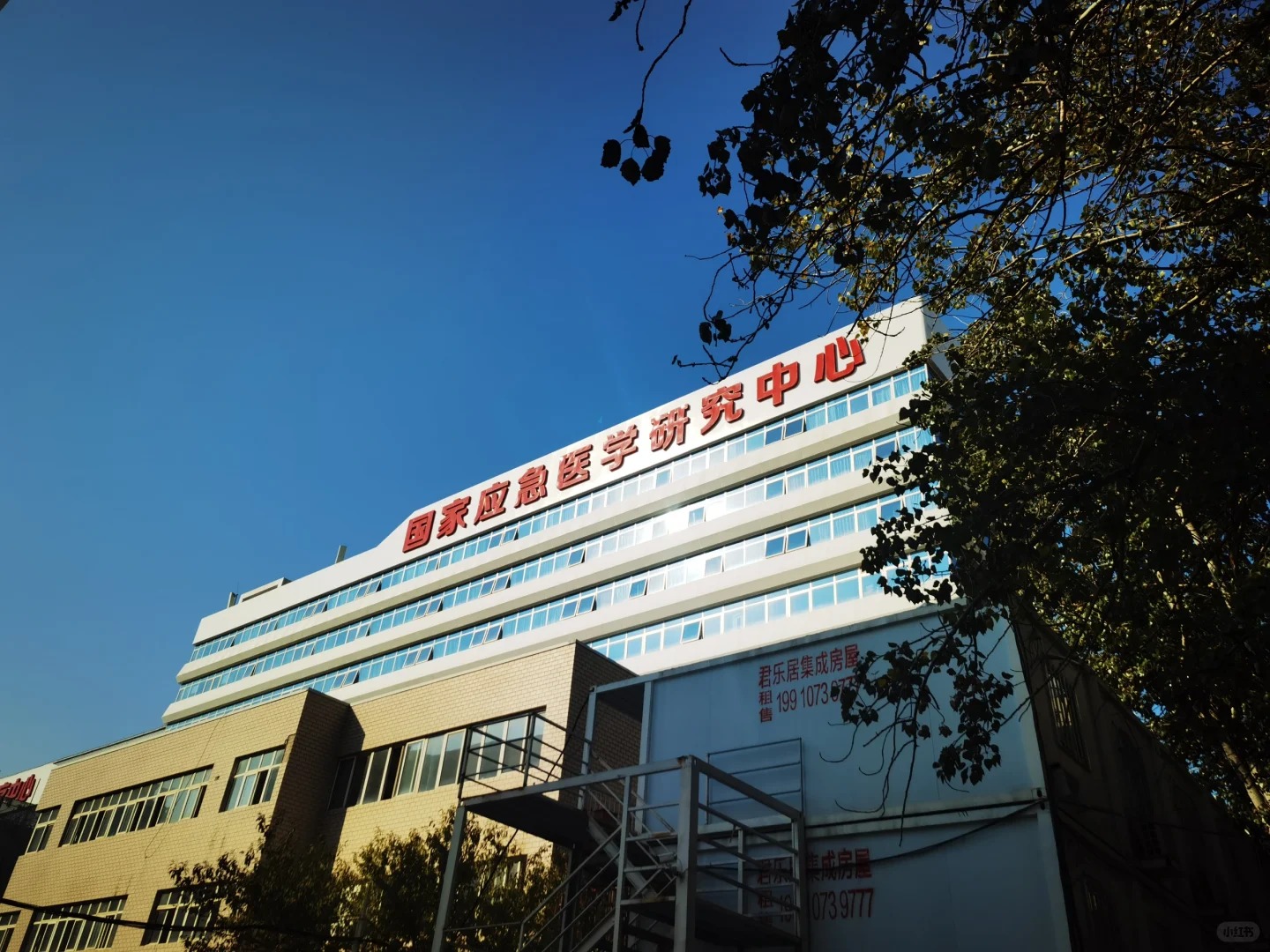
Emergency General Hospital

Emergency General Hospital (formerly General Hospital of Coal Industry) is the only tertiary comprehensive hospital directly under the Ministry of Emergency Management of the People's Republic of China. It serves as the host institution for the National Center for Emergency Medicine Research and the National Diagnosis and Treatment Center for Pneumoconiosis. Established in 1993, the hospital is tasked with the mission of providing medical rescue for major national disasters and international relief operations. The hospital holds a prominent academic position in critical care medicine, occupational disease prevention, and respiratory intervention. Its Department of Pulmonary and Critical Care Medicine is a national leader in bronchoscopic interventional techniques, with annual surgical volumes among the highest in China. As a designated hospital for foreign-related medical services in Beijing and a partner of International SOS, the hospital possesses robust capabilities in international medical services.
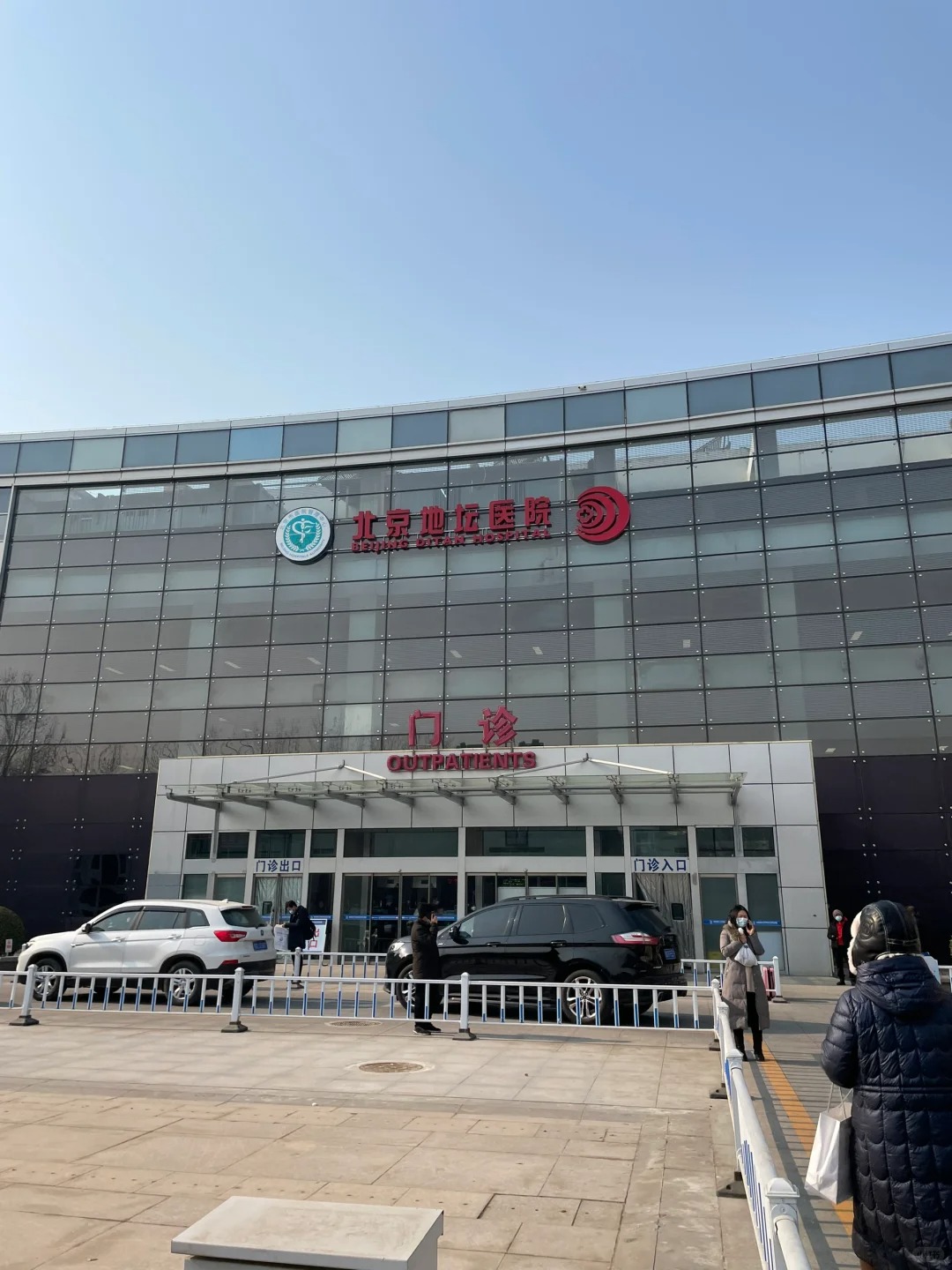
Beijing Ditan Hospital, Capital Medical University
Founded in 1946, Beijing Ditan Hospital, Capital Medical University (National Center for Infectious Diseases) is a Class A tertiary hospital with infectious diseases as its core specialty and competitive strength. The hospital maintains international standards in the diagnosis and treatment of severe liver diseases, HIV/AIDS and its complications, autoimmune liver diseases, central nervous system infections, and various emerging infectious diseases (such as COVID-19 and Ebola). As a primary host institution of the National Center for Infectious Diseases, Ditan Hospital features top-tier Biosafety Level 3 (P3) laboratories and advanced microecology/pathogen detection platforms. Its core clinical advantages lie in a multidisciplinary collaborative rescue system and a critical care emergency network for complex and severe infectious cases, making it an authoritative destination for international patients seeking high-level treatment for infectious and hepatic diseases.
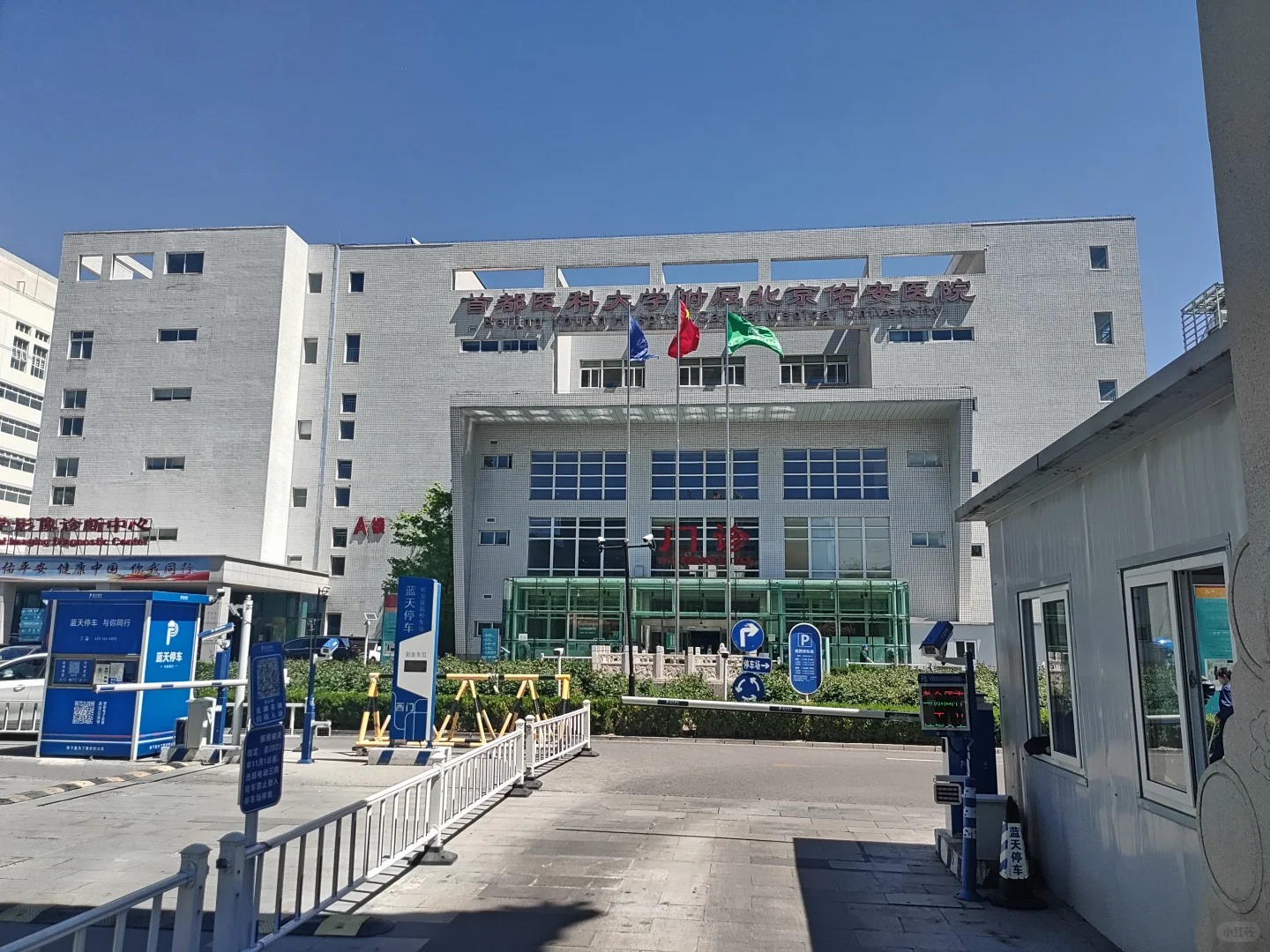
Beijing Youan Hospital, Capital Medical University
Founded in 1956, Beijing Youan Hospital, Capital Medical University is a comprehensive medical center specializing in infectious, contagious, and related acute and chronic diseases. The hospital is a national leader in fields such as hepatobiliary medicine and surgery, liver transplantation, minimally invasive interventional oncology, and HIV/AIDS diagnosis and treatment. It houses a national clinical base for Traditional Chinese Medicine and multiple key laboratories.
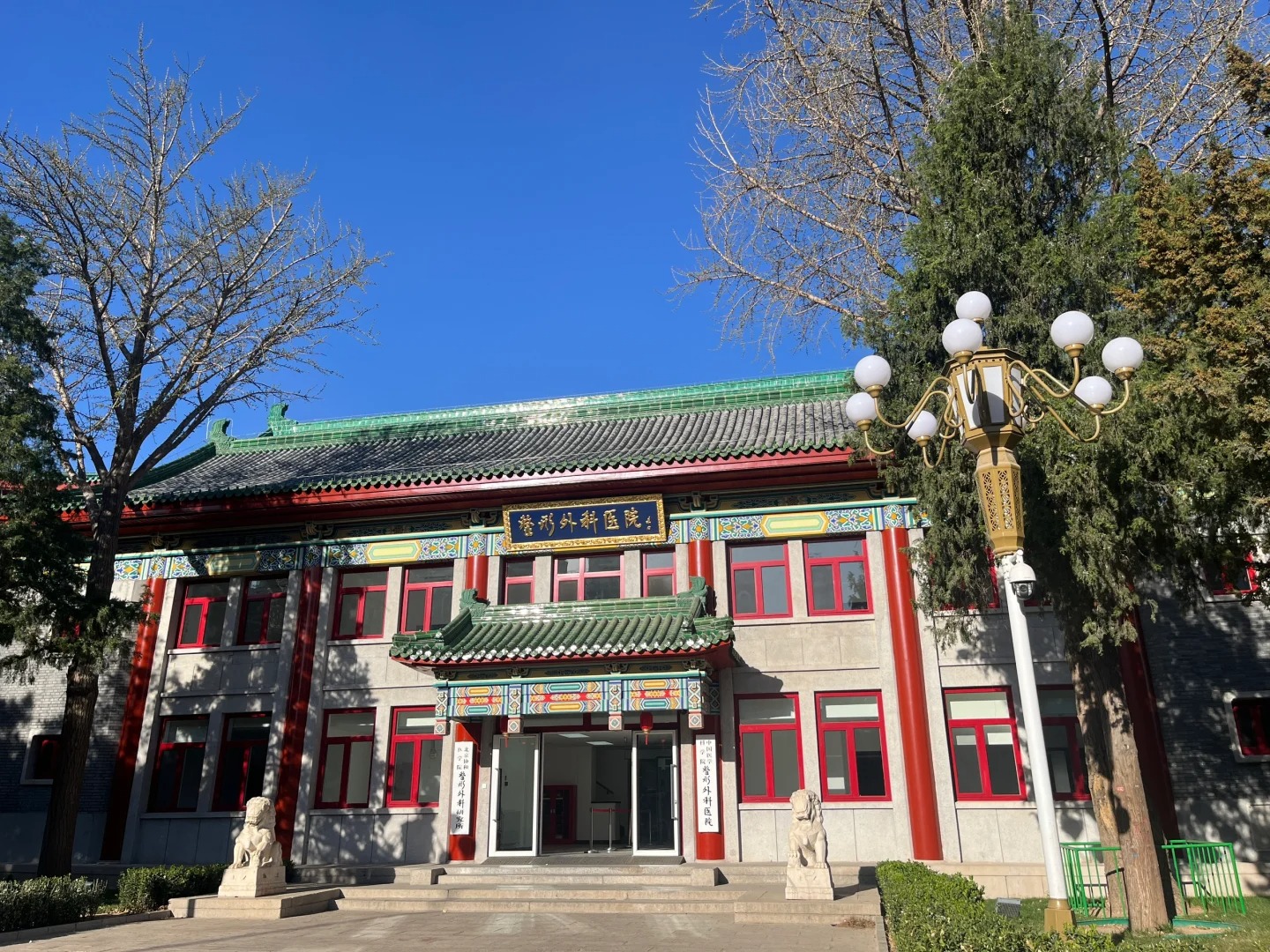
Plastic Surgery Hospital, Chinese Academy of Medical Sciences
Established in 1957, the Plastic Surgery Hospital of the Chinese Academy of Medical Sciences (Badachu Plastic Surgery Hospital) is China's first specialized plastic surgery hospital and is recognized as a foundational institution for the field in China. Integrating clinical care, education, and research, the hospital possesses extensive technical expertise, particularly in complex reconstructive fields such as organ reconstruction (including external ear, nose, and genitalia), craniofacial deformity correction, cleft lip and palate repair, and advanced scar treatment. The hospital operates two campuses—the West Campus (Badachu) and the East Campus (CBD)—performing nearly 70,000 plastic and cosmetic procedures annually.
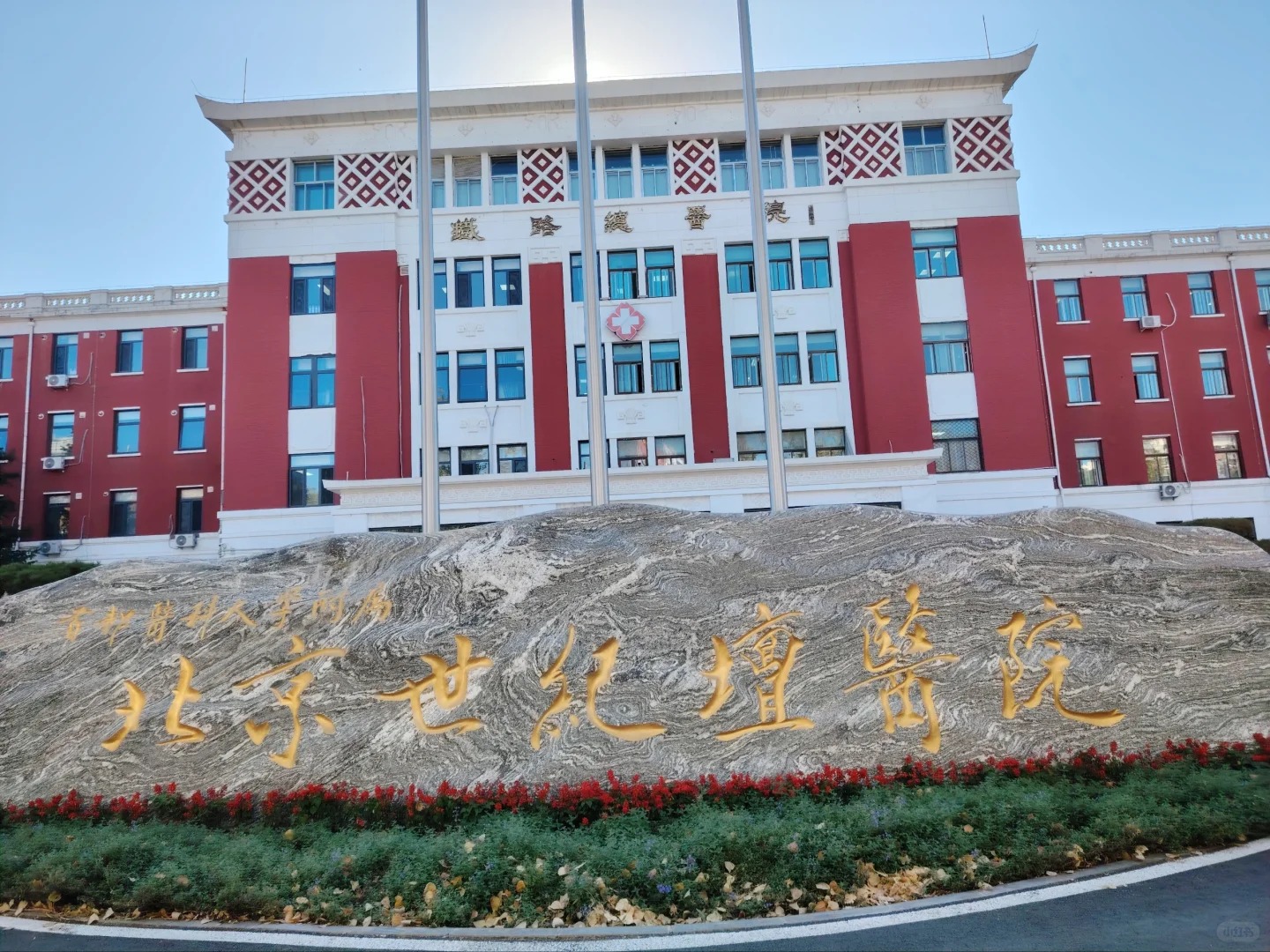
Beijing Shijitan Hospital, Capital Medical University
Founded in 1915, Beijing Shijitan Hospital of Capital Medical University (formerly the Beijing Railway General Hospital of the Ministry of Railways) is a comprehensive Class A tertiary hospital integrating medical care, education, research, and prevention. The hospital features comprehensive oncology diagnosis and treatment as its core specialty. Its allergy department consistently ranks among the top in China, and the institution maintains significant technical expertise and international academic influence in fields such as lymphatic surgery, gastrointestinal oncology, and critical care medicine.
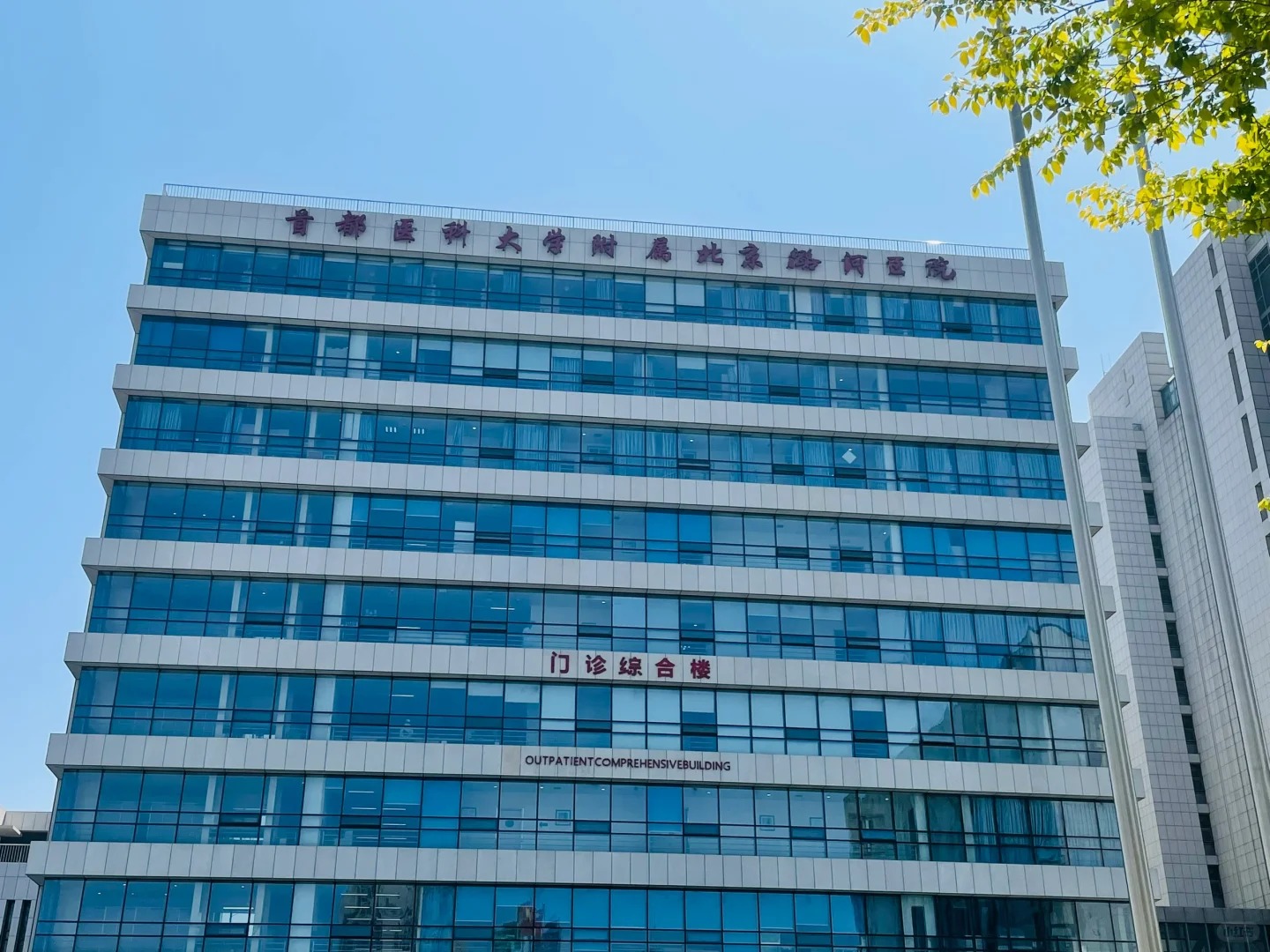
Beijing Luhe Hospital, Capital Medical University
Founded in 1878 as an American mission hospital, Beijing Luhe Hospital, Capital Medical University is located in the core area of the Beijing Municipal Administrative Center. As a regional medical center, the hospital has pioneered an organ-system-based integrated medical model, breaking traditional boundaries between internal medicine and surgery to establish disease-centered clinical centers. It has reached international standards in the treatment of acute and critical conditions, including cerebrovascular thrombolysis and intervention, as well as myocardial infarction intervention. It is the largest Class A tertiary comprehensive hospital in eastern Beijing.
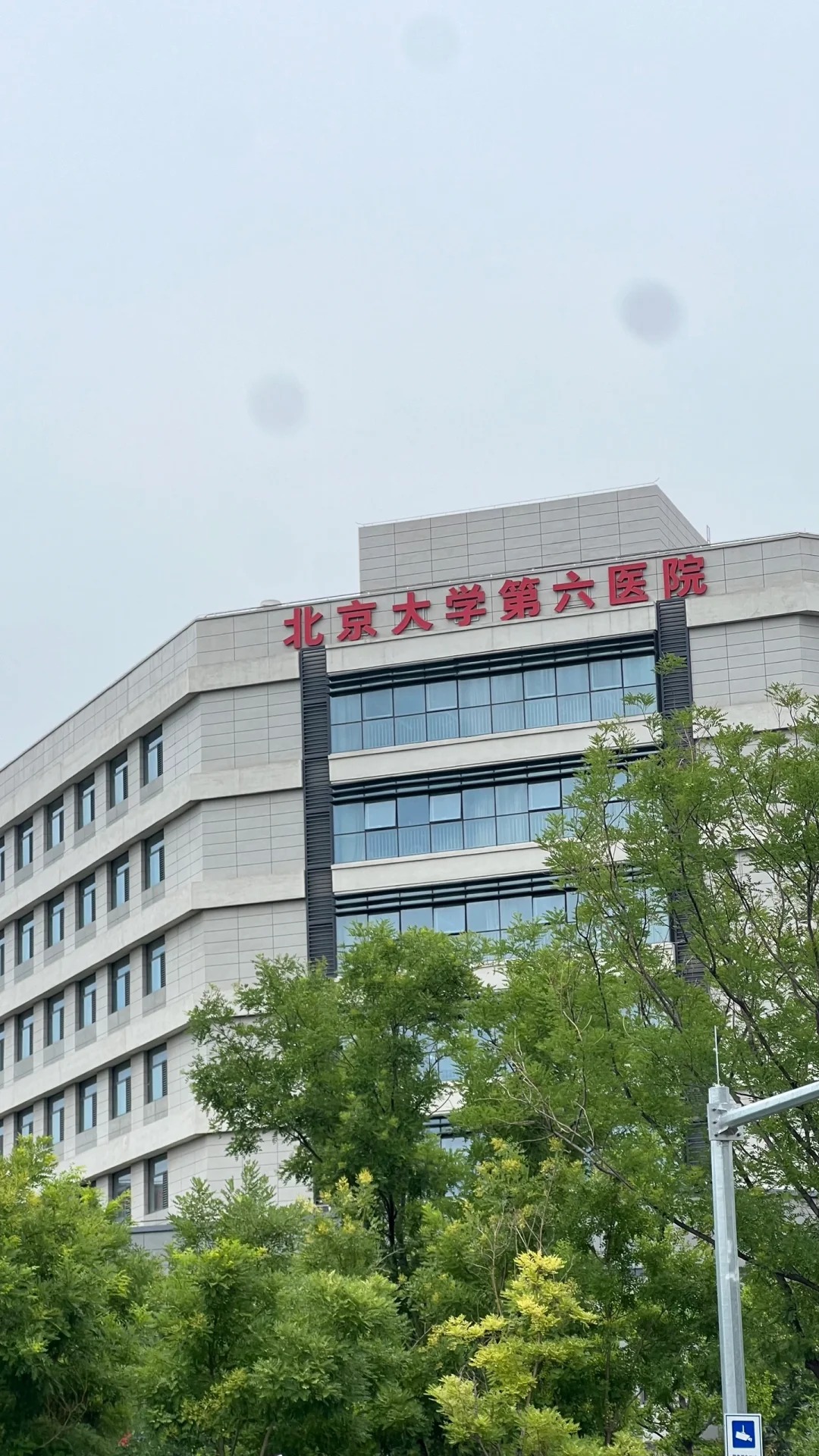
Peking University Sixth Hospital
Peking University Sixth Hospital (Institute of Mental Health, Peking University) is a leading Class A tertiary psychiatric specialty hospital and the National Clinical Research Center for Mental Disorders in China. The hospital possesses advanced clinical expertise and international influence in managing complex conditions such as depression, schizophrenia, sleep disorders, and child and adolescent psychiatry, representing the highest standards of psychiatric medicine and research in the country.
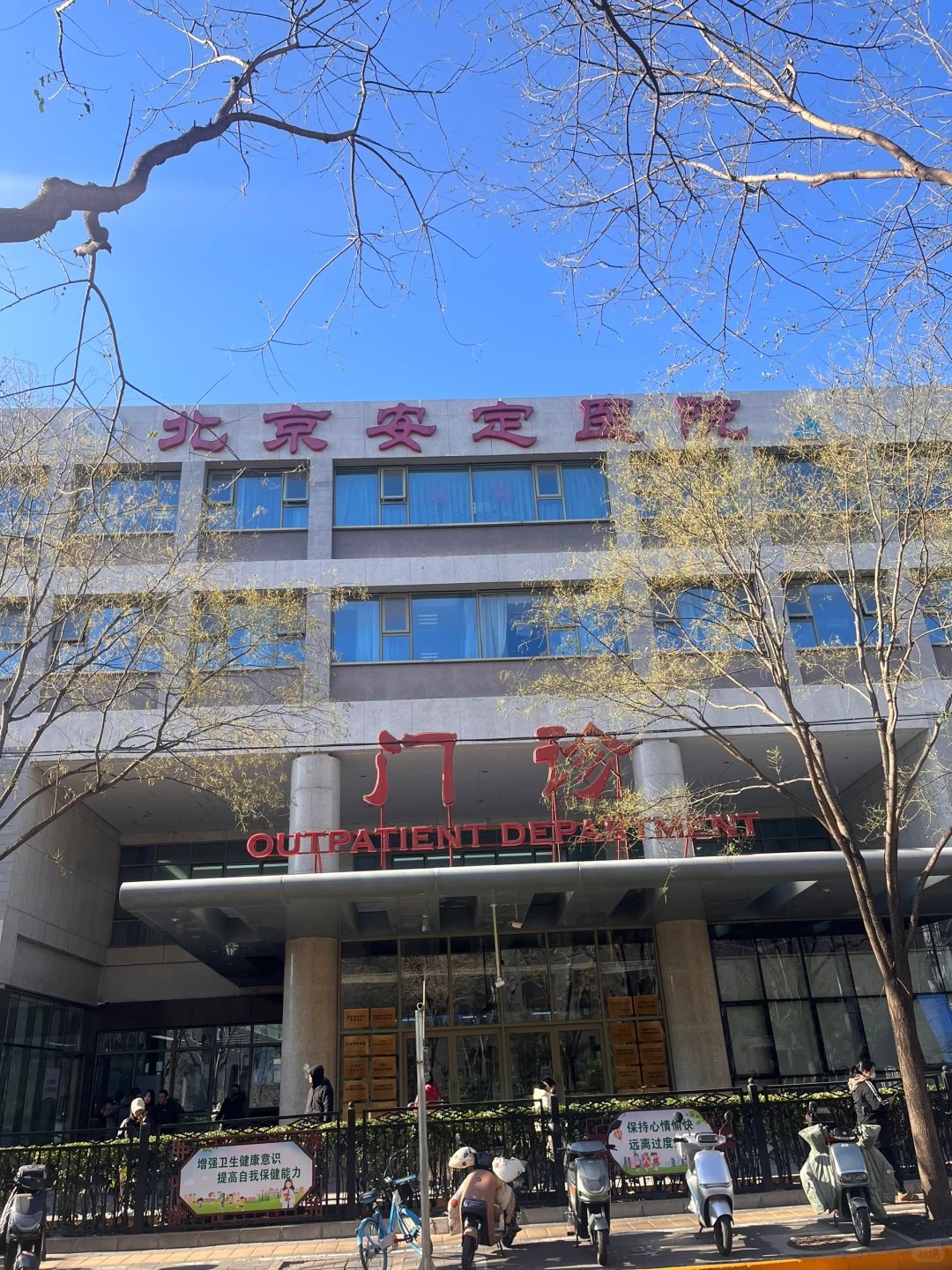
Beijing Anding Hospital, Capital Medical University
Founded in 1914, Beijing Anding Hospital, Capital Medical University, is one of China's earliest public psychiatric specialty hospitals. As a Class A tertiary psychiatric hospital integrating medical care, education, research, prevention, and international exchange, it has been designated as the National Clinical Research Center for Mental Disorders. The hospital maintains a leading academic position and technical expertise in fields such as depression, bipolar disorder, schizophrenia, child and adolescent mental health intervention, and geriatric psychiatry. For international patients, the hospital provides efficient mental health services aligned with international standards through standardized evidence-based medical pathways and multidisciplinary team (MDT) interventions, significantly reducing waiting times compared to global averages.

Beijing Geriatric Hospital
Beijing Geriatric Hospital (formerly Beijing Chest Hospital established in 1949) is a municipal Class A tertiary general hospital and serves as the clinical research base for geriatric diseases for the Institute of Biophysics, Chinese Academy of Sciences. The hospital maintains significant clinical expertise in Comprehensive Geriatric Assessment (CGA), multidisciplinary management (MDT) of geriatric comorbidities, Alzheimer's disease care, geriatric rehabilitation, and palliative care. As a leader in geriatric medicine in China, the hospital has established a life-cycle care system aligned with international standards. It offers distinct advantages in reducing polypharmacy risks and shortening postoperative recovery cycles for elderly international patients, providing comprehensive health security for both domestic and international patients.
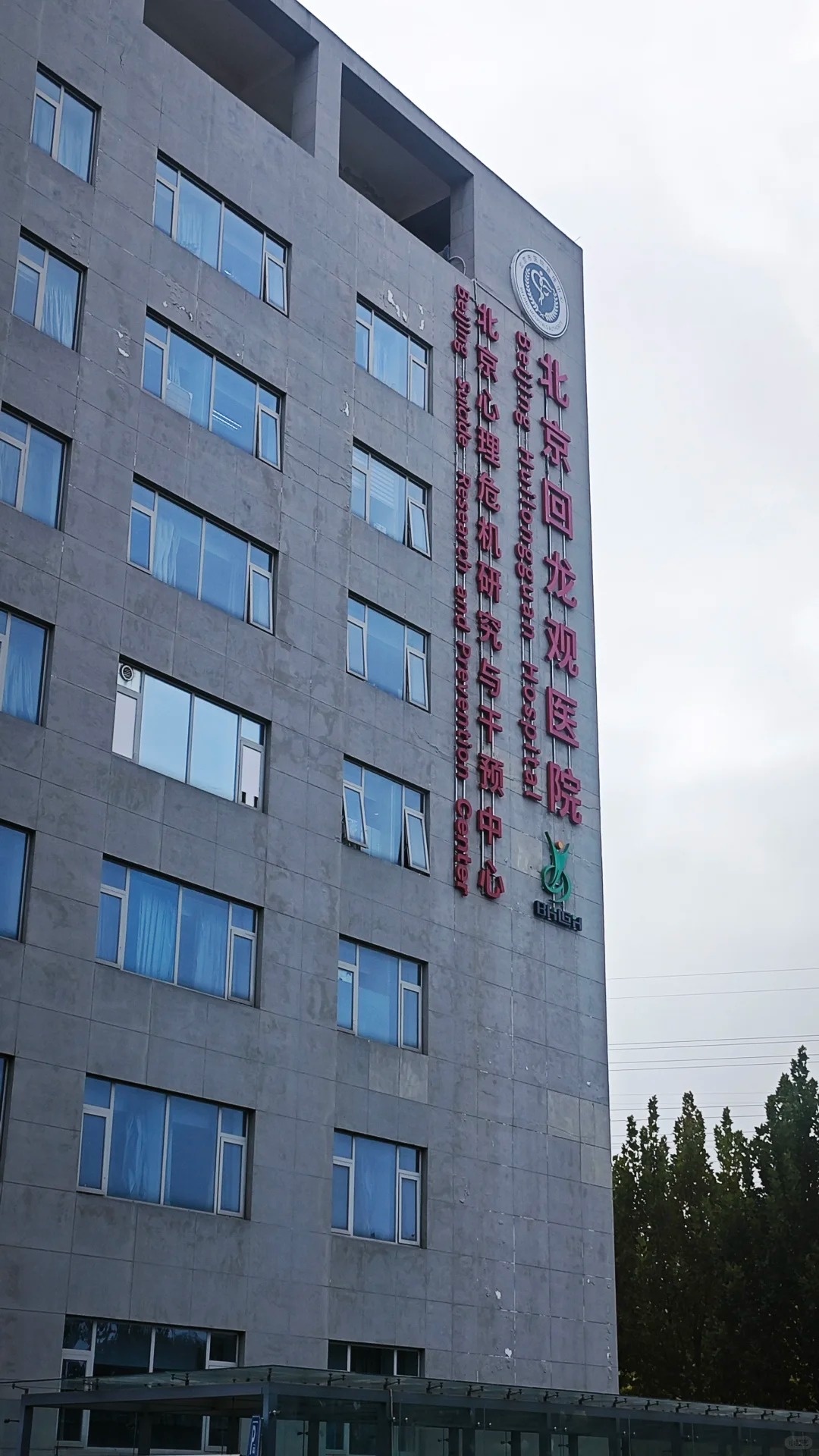
Beijing Huilongguan Hospital
Beijing Huilongguan Hospital (currently Beijing Huilongguan Hospital affiliated with Capital Medical University), established in 1986, is the largest public Class A tertiary psychiatric specialty hospital in Beijing. The hospital maintains a leading position in schizophrenia, mood disorders, addiction medicine, and clinical psychology. As a World Health Organization (WHO) Collaborating Centre for Research and Training in Mental Health, the hospital possesses significant technical expertise in psychiatric brain initiatives and translational research. For international patients, particularly overseas Chinese and students, the hospital leverages its bilingual environment and cross-cultural clinical experience to provide precise psychiatric and psychological assessments and treatments, significantly reducing the risk of misdiagnosis caused by cultural or language barriers encountered abroad.