
Top Hospitals in China
Book top-ranked medical institutions in China. Reference costs, not promises; we add zero markup to your hospital bill.
verified_user Independent patient coordination. Zero hospital markups. Not medical advice.
146 hospitals found
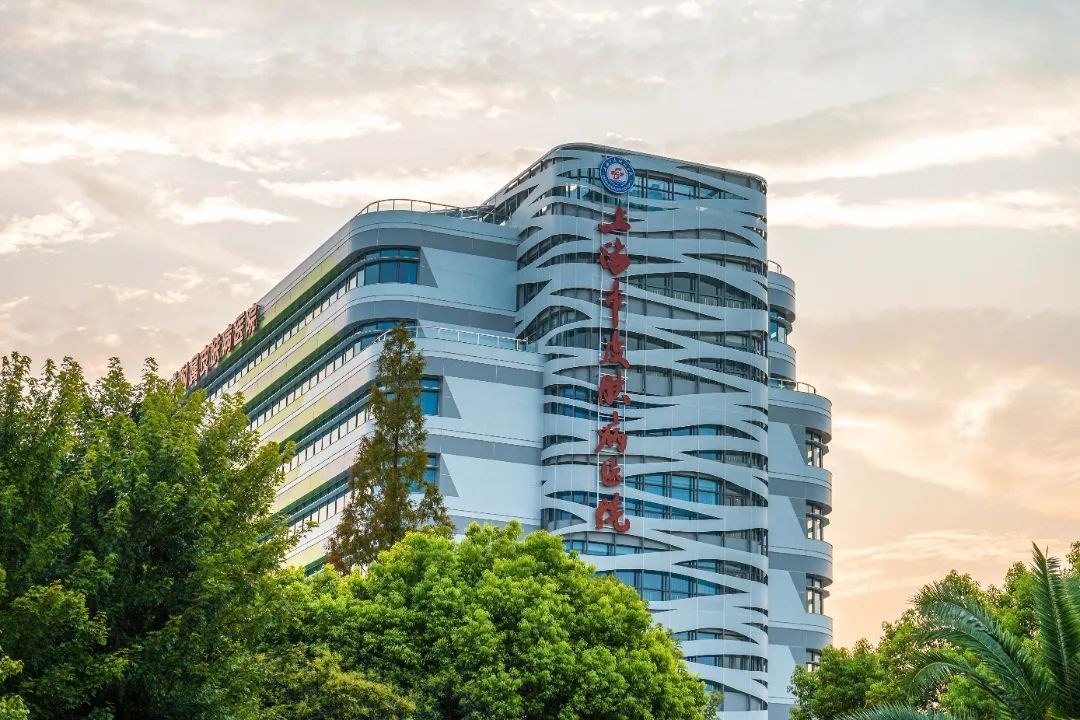
Shanghai Skin Disease Hospital

Shanghai Skin Disease Hospital is a Class A tertiary dermatology specialist hospital under the administration of Shanghai. It has long focused on complex and severe dermatologic conditions, skin tumors, fungal infections, psoriasis, vitiligo, eczema and dermatitis, sexually transmitted diseases, and cosmetic dermatology, forming specialist strengths that integrate diagnosis and treatment, teaching, research, and prevention in dermatology. The hospital has strong technical expertise in dermatopathology, mycology, photomedicine, immune-related skin diseases, and drug-induced skin disorders. Supported by subspecialty expertise, standardized clinical pathways, and multidisciplinary collaboration, it continues to serve patients across the Yangtze River Delta and nationwide.
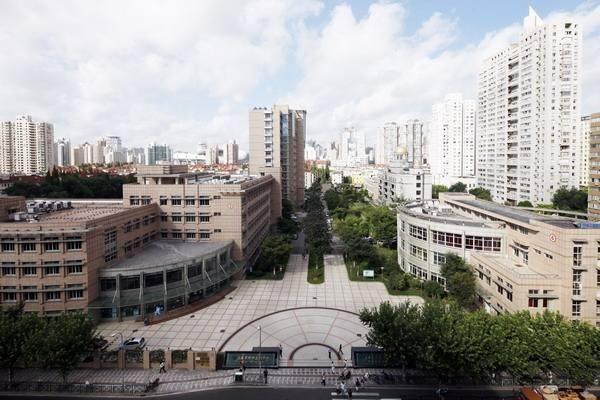
Shanghai Mental Health Center
Shanghai Mental Health Center is one of the leading psychiatric specialty medical institutions in China. It has long focused on the clinical diagnosis and treatment of mental disorders, mental health services, crisis intervention, sleep medicine, addiction medicine, child and adolescent mental health, and geriatric mental disorders. The hospital has strong clinical and research experience in severe mental disorders, depressive disorders, anxiety disorders, bipolar disorder, schizophrenia, obsessive-compulsive disorder, sleep disorders, and psychological crisis intervention. It has a relatively complete specialty tiered care system, psychological assessment and treatment system, and multidisciplinary diagnosis and treatment capabilities. As a regional mental health center, its technical strengths mainly lie in specialty talent resources, complex case management, long-term follow-up systems, integrated management of psychotherapy and medication therapy, and the development of a mental illness prevention and treatment network coordinated with the public health system.
The First Affiliated Hospital of Naval Medical University
The First Affiliated Hospital of Naval Medical University (Shanghai Changhai Hospital) was founded in 1949. It is a national Class A tertiary general teaching hospital and the First Affiliated Hospital of Naval Medical University. Located in Shanghai, it integrates medical care, education, research, battlefield trauma treatment, and healthcare services. The hospital has developed strong specialty clusters in digestive diseases, cardiothoracic surgery, urology, orthopedics, neurosurgery, otolaryngology–head and neck surgery, hepatobiliary, pancreatic and splenic surgery, vascular surgery, and comprehensive oncology care. It has notable capabilities in the treatment of complex and critically ill conditions, minimally invasive surgery, robotic surgery, organ function reconstruction, and multidisciplinary diagnosis and treatment. As a high-level military hospital, it has a strong emergency and critical care system and high-standard nursing management capabilities. Supported by Shanghai's international medical resources, it has solid capacity to serve high-end care needs, international patients, cross-regional referrals, and multilingual communication. For patients in China, it can provide access to complex surgery, comprehensive cancer treatment, and specialty center services at a level approaching advanced international standards, typically with shorter appointment times and significantly lower costs than major medical centers in the United States or Japan.
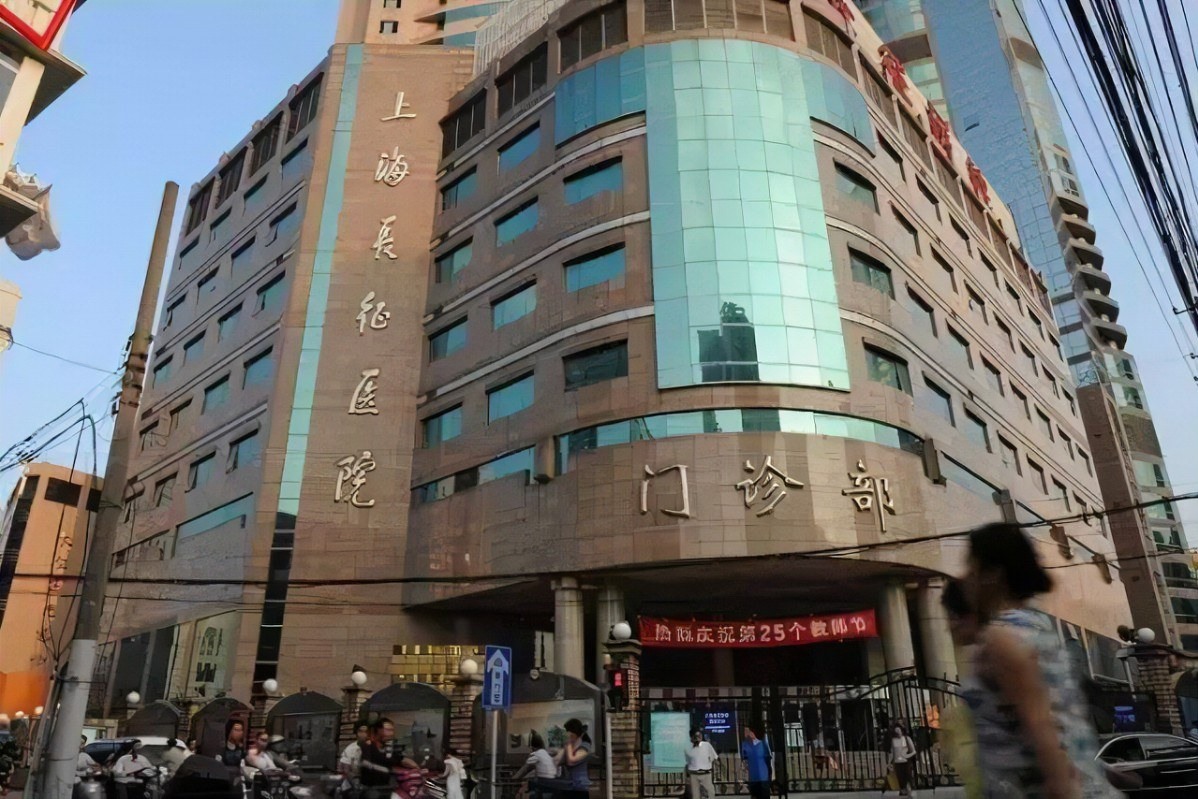
The Second Affiliated Hospital of the Naval Medical University
The Second Affiliated Hospital of the Naval Medical University, also known as Shanghai Changzheng Hospital, was founded in 1949. It is a national Class A tertiary general teaching hospital and one of the key affiliated hospitals of the Naval Medical University. The hospital has strong specialty strengths in orthopedics, spine surgery, neurosurgery, urology, general surgery, gastroenterology, nephrology, and emergency and critical care. It undertakes national-level responsibilities for the diagnosis and treatment of complex and critical illnesses, as well as teaching and research. Drawing on military medical systems and Shanghai’s high-quality medical resources, the hospital has developed strong technical capabilities in the correction of complex spinal deformities, minimally invasive treatment of bone and joint diseases, comprehensive diagnosis and treatment of cranial, brain, and spinal cord disorders, minimally invasive surgery for urinary tract tumors and stones, and multidisciplinary care for severe trauma and critical illness. As a large general hospital, it has notable capabilities in multidisciplinary consultation for complex cases, perioperative management, and the performance of high-complexity surgery, making it attractive to patients who seek high-level specialty care in China while controlling cross-border medical and time costs.
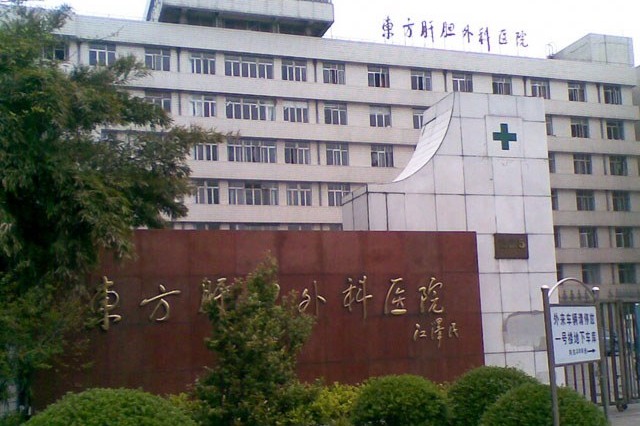
The Third Affiliated Hospital of Naval Medical University
The Third Affiliated Hospital of Naval Medical University (Eastern Hepatobiliary Surgery Hospital) is a designated institution of the National Clinical Research Center for Digestive Diseases. It has long been among the leading hospitals in China for hepatobiliary and pancreatic surgery and the diagnosis and treatment of liver tumors. The hospital consists of the Yangpu and Jiading campuses and provides an end-to-end care pathway centered on liver cancer, biliary tract tumors, pancreatic tumors, liver transplantation, complex hepatobiliary stones, and minimally invasive and robotic hepatobiliary surgery. Its core technical strengths include highly complex liver resection, comprehensive treatment of portal vein tumor thrombus, individualized strategies for recurrent liver cancer, precise resection of hilar cholangiocarcinoma, complex pancreaticoduodenal surgery, multidisciplinary integrated treatment, and perioperative critical care management. Supported by military medical resources and national key discipline platforms, the hospital has notable strengths in basic research, clinical translation, guideline development, and advanced surgical capability in hepatobiliary oncology. It also provides tailored medical services through its international medical department/special care system for high-net-worth and cross-border patients.
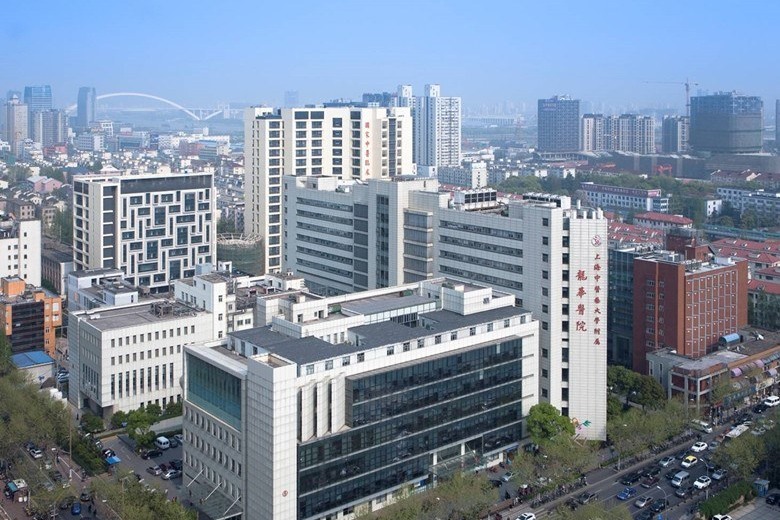
Longhua Hospital Affiliated to Shanghai University of Traditional Chinese Medicine
Longhua Hospital Affiliated to Shanghai University of Traditional Chinese Medicine is a large Class A tertiary traditional Chinese medicine hospital under the administration of Shanghai Municipality. Built with support from Shanghai University of Traditional Chinese Medicine, it has developed a modern healthcare system centered on traditional Chinese medicine diagnosis and treatment, with a strong emphasis on integrating traditional Chinese and Western medicine. The hospital has substantial clinical expertise in orthopedics and traumatology, spleen and stomach disorders, liver disease, kidney disease, cardiovascular disease, oncology, acupuncture and tuina, gynecology, pediatrics, and geriatrics. It emphasizes the inheritance of the experience of renowned senior traditional Chinese medicine practitioners and the integration of modern medical technologies, and can provide multidisciplinary care, traditional Chinese medicine interventions for complex and difficult conditions, postoperative rehabilitation, and chronic disease management. Its technical strengths are reflected in syndrome differentiation and treatment for diseases with distinctive traditional Chinese medicine advantages, integrated acupuncture, tuina, and rehabilitation services, and a systematic approach to integrated traditional Chinese and Western medicine treatment plans.
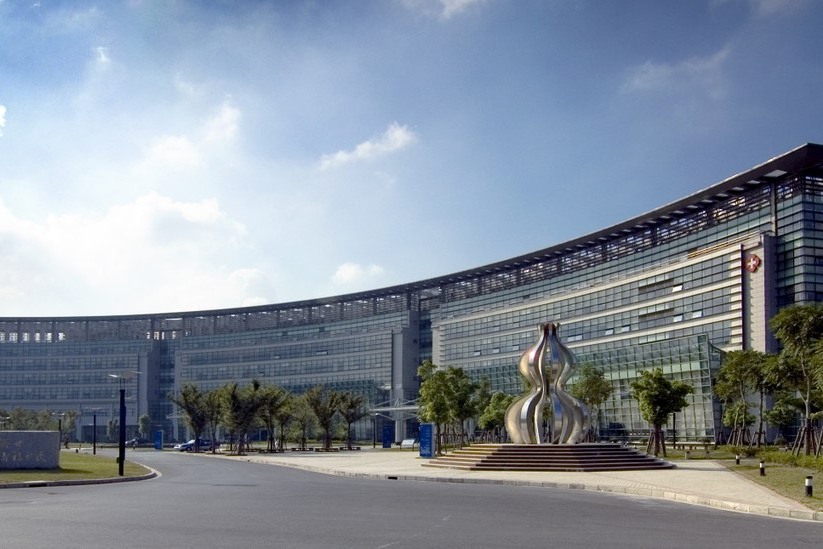
Shuguang Hospital Affiliated to Shanghai University of Traditional Chinese Medicine
Shuguang Hospital Affiliated to Shanghai University of Traditional Chinese Medicine is a representative Class A tertiary hospital of traditional Chinese medicine in Shanghai and one of the national clinical research bases for traditional Chinese medicine. It has developed a comprehensive diagnostic and treatment system with integrated traditional Chinese and Western medicine as a defining feature. The hospital has strong specialty strengths in liver disease, cardiovascular disease, spleen and stomach disorders, kidney disease, cancer rehabilitation, orthopedics and traumatology, acupuncture, and tuina. Supported by the research and talent resources of Shanghai University of Traditional Chinese Medicine, it has clear technical strengths in the inheritance of classical traditional Chinese medicine, management of complex chronic diseases, and coordinated integrated treatment. As a large teaching hospital, it has strong combined capabilities in clinical care, research, and education, and is well recognized within the traditional Chinese medicine system in East China.
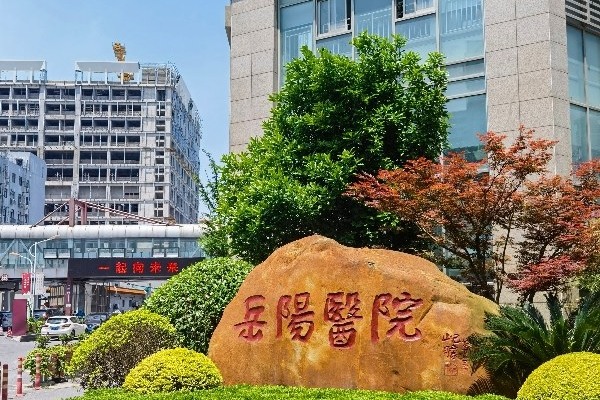
Yueyang Hospital of Integrated Traditional Chinese and Western Medicine, Shanghai University of Traditional Chinese Medicine
Yueyang Hospital of Integrated Traditional Chinese and Western Medicine, Shanghai University of Traditional Chinese Medicine, was established in 1976. It is a National Clinical Research Base of Traditional Chinese Medicine and a Class A tertiary hospital for integrated traditional Chinese and Western medicine, and one of the representative leading hospitals in this field in China. The hospital is known for specialties such as orthopedics and traumatology, acupuncture and tuina, rheumatology and immunology, anorectal care, dermatology, rehabilitation medicine, respiratory diseases, and geriatric medicine, forming an integrated diagnostic and treatment system combining traditional Chinese and Western medicine. Supported by the teaching and research platform of Shanghai University of Traditional Chinese Medicine, the hospital has strong technical capabilities in integrated diagnosis and treatment pathways, acupuncture standardization, minimally invasive bone and trauma repair, functional rehabilitation, and full-course chronic disease management, while combining the features of traditional Chinese medicine with modern medical treatment capabilities. For Chinese patients seeking cross-border care alternatives, the hospital offers relatively high value and local accessibility in traditional Chinese medicine-based rehabilitation, post-operative recovery, chronic disease management, pain treatment, and functional improvement. Compared with similar rehabilitation or pain management services overseas, it typically has shorter appointment lead times and lower overall costs.
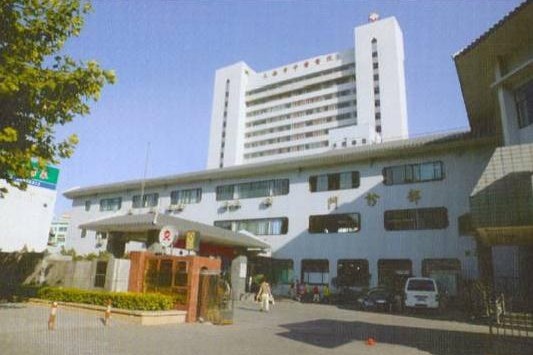
Shanghai Municipal Hospital of Traditional Chinese Medicine
Shanghai Municipal Hospital of Traditional Chinese Medicine is a Class A tertiary traditional Chinese medicine hospital that integrates medical care, teaching, research, prevention, and rehabilitation. Supported by the affiliated hospital system of Shanghai University of Traditional Chinese Medicine, it has strong regional influence in internal medicine in traditional Chinese medicine, spleen and stomach disorders, integrated traditional Chinese and Western medicine for oncology, dermatology, acupuncture and tuina, orthopedics and traumatology, anorectal disorders, preventive treatment, and geriatric disease management. The hospital emphasizes the coordinated development of traditional Chinese medicine specialties and modern medicine, with a relatively comprehensive specialty system and multi-campus service capacity. It has established a stable clinical approach in complex chronic conditions, postoperative rehabilitation, supportive cancer care, and interventions for subhealth conditions. Its core strengths include experienced senior traditional Chinese medicine physicians, distinctive hospital-prepared formulations, comprehensive traditional Chinese medicine treatment plans, and a high-density outpatient service network for patients in Shanghai and the Yangtze River Delta region.
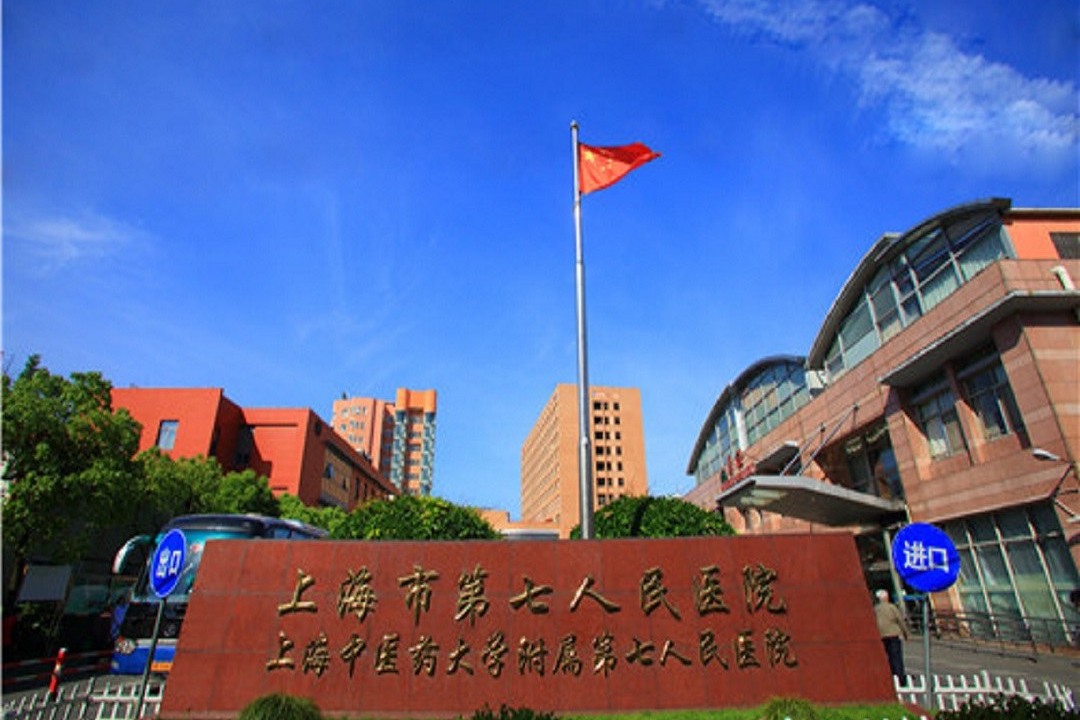
Shanghai Seventh People's Hospital
Shanghai Seventh People's Hospital is a Class A tertiary comprehensive public hospital located in Pudong New Area, Shanghai. It has long undertaken regional emergency and critical care treatment, clinical teaching, and research. The hospital focuses on the prevention and treatment of cardiovascular and cerebrovascular diseases, geriatric medicine, rehabilitation medicine, integrated traditional Chinese and Western medicine, orthopedics, and peripheral vascular disease–related care, while also providing comprehensive medical services and specialty care. As one of the affiliated hospitals of Shanghai University of Traditional Chinese Medicine, the hospital has strong capabilities in integrated traditional Chinese and Western medicine treatment, chronic disease management, continuity of rehabilitation services, and regional medical consortium collaboration. Its technical strengths are mainly reflected in integrated stroke screening and rehabilitation, comprehensive management of geriatric comorbidities, standardized treatment of peripheral vascular diseases, and the development of multidisciplinary care systems. It is suitable for patients who need ongoing treatment, rehabilitation management, and long-term follow-up for chronic conditions.