
Top Hospitals in China
Book top-ranked medical institutions in China. Reference costs, not promises; we add zero markup to your hospital bill.
verified_user Independent patient coordination. Zero hospital markups. Not medical advice.
91 hospitals found
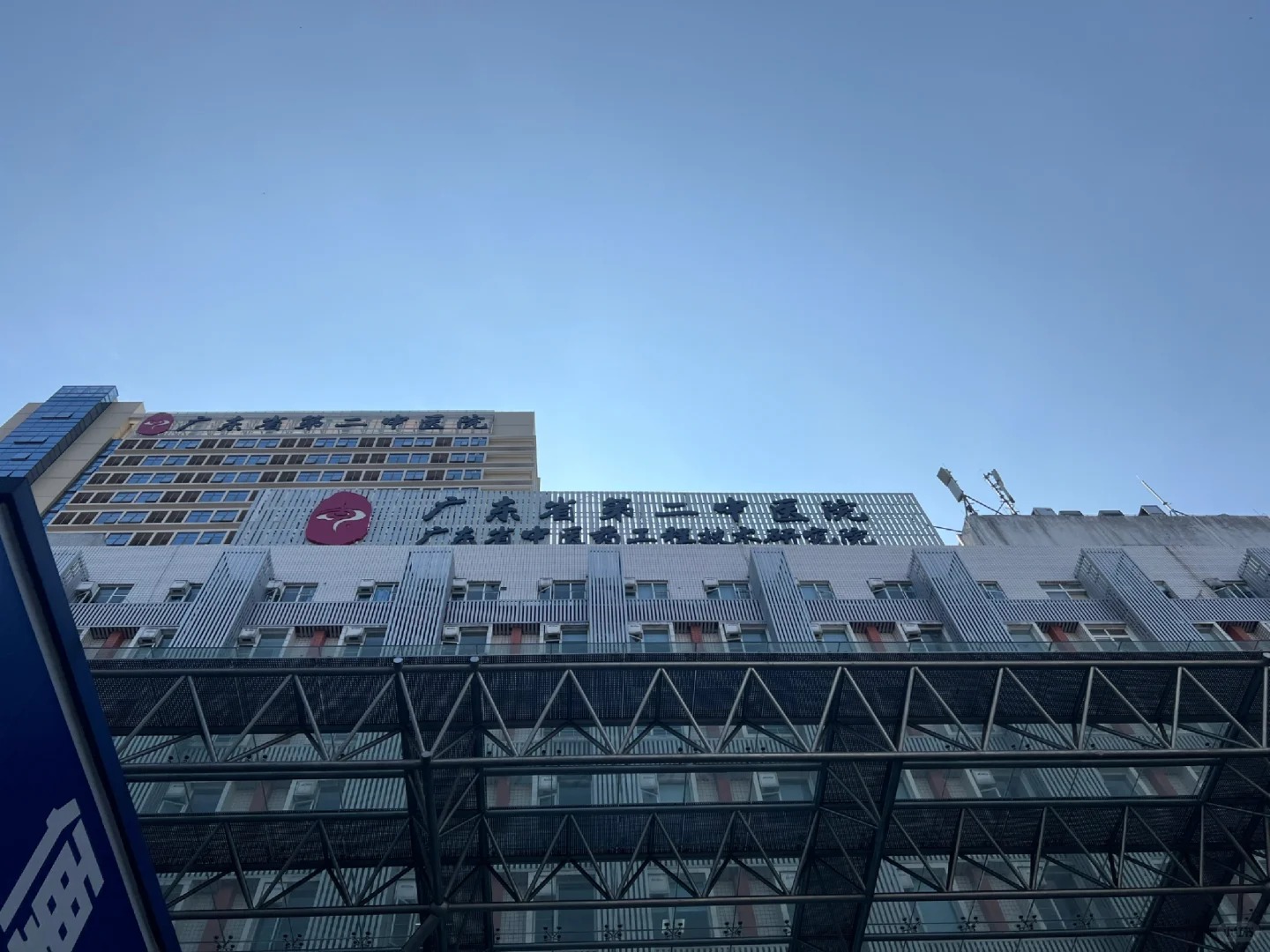
Guangdong Second Traditional Chinese Medicine Hospital

Guangdong Second Traditional Chinese Medicine Hospital (Guangdong Institute of Traditional Chinese Medicine Engineering Technology) is a comprehensive Class A tertiary hospital of Traditional Chinese Medicine (TCM) integrating medical care, scientific research, education, rehabilitation, and preventive healthcare. The hospital features 7 national key clinical specialties, including Cardiology, Encephalopathy, Orthopedics and Traumatology, and Oncology, along with several provincial key specialties such as Gastroenterology, Respiratory Medicine, and Endocrinology. It maintains international leadership in the research and development of TCM granulated formulas and houses a national key laboratory. As an affiliated hospital of Guangzhou University of Chinese Medicine, it possesses unique clinical expertise in acupuncture rehabilitation and stroke treatment.
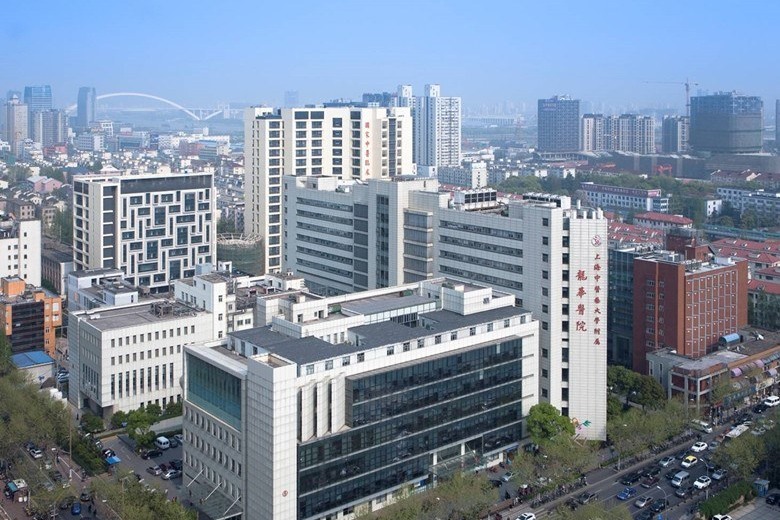
Longhua Hospital Affiliated to Shanghai University of Traditional Chinese Medicine
Longhua Hospital Affiliated to Shanghai University of Traditional Chinese Medicine is a large Class A tertiary traditional Chinese medicine hospital under the administration of Shanghai Municipality. Built with support from Shanghai University of Traditional Chinese Medicine, it has developed a modern healthcare system centered on traditional Chinese medicine diagnosis and treatment, with a strong emphasis on integrating traditional Chinese and Western medicine. The hospital has substantial clinical expertise in orthopedics and traumatology, spleen and stomach disorders, liver disease, kidney disease, cardiovascular disease, oncology, acupuncture and tuina, gynecology, pediatrics, and geriatrics. It emphasizes the inheritance of the experience of renowned senior traditional Chinese medicine practitioners and the integration of modern medical technologies, and can provide multidisciplinary care, traditional Chinese medicine interventions for complex and difficult conditions, postoperative rehabilitation, and chronic disease management. Its technical strengths are reflected in syndrome differentiation and treatment for diseases with distinctive traditional Chinese medicine advantages, integrated acupuncture, tuina, and rehabilitation services, and a systematic approach to integrated traditional Chinese and Western medicine treatment plans.
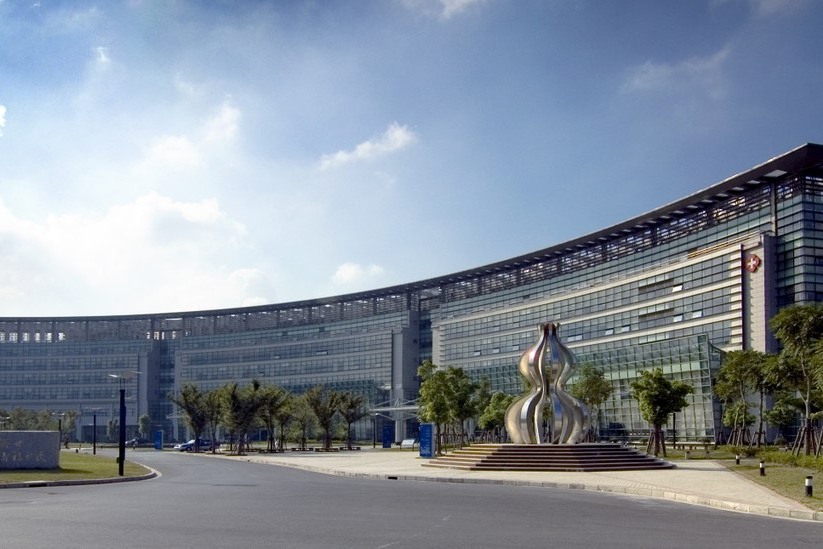
Shuguang Hospital Affiliated to Shanghai University of Traditional Chinese Medicine
Shuguang Hospital Affiliated to Shanghai University of Traditional Chinese Medicine is a representative Class A tertiary hospital of traditional Chinese medicine in Shanghai and one of the national clinical research bases for traditional Chinese medicine. It has developed a comprehensive diagnostic and treatment system with integrated traditional Chinese and Western medicine as a defining feature. The hospital has strong specialty strengths in liver disease, cardiovascular disease, spleen and stomach disorders, kidney disease, cancer rehabilitation, orthopedics and traumatology, acupuncture, and tuina. Supported by the research and talent resources of Shanghai University of Traditional Chinese Medicine, it has clear technical strengths in the inheritance of classical traditional Chinese medicine, management of complex chronic diseases, and coordinated integrated treatment. As a large teaching hospital, it has strong combined capabilities in clinical care, research, and education, and is well recognized within the traditional Chinese medicine system in East China.
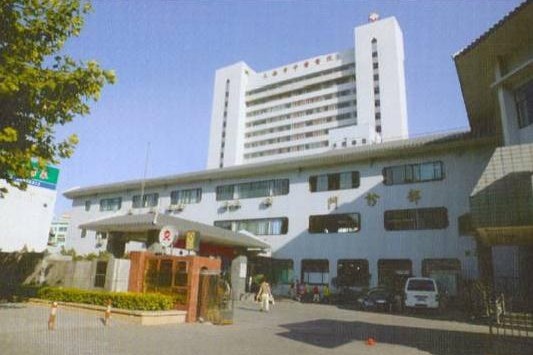
Shanghai Municipal Hospital of Traditional Chinese Medicine
Shanghai Municipal Hospital of Traditional Chinese Medicine is a Class A tertiary traditional Chinese medicine hospital that integrates medical care, teaching, research, prevention, and rehabilitation. Supported by the affiliated hospital system of Shanghai University of Traditional Chinese Medicine, it has strong regional influence in internal medicine in traditional Chinese medicine, spleen and stomach disorders, integrated traditional Chinese and Western medicine for oncology, dermatology, acupuncture and tuina, orthopedics and traumatology, anorectal disorders, preventive treatment, and geriatric disease management. The hospital emphasizes the coordinated development of traditional Chinese medicine specialties and modern medicine, with a relatively comprehensive specialty system and multi-campus service capacity. It has established a stable clinical approach in complex chronic conditions, postoperative rehabilitation, supportive cancer care, and interventions for subhealth conditions. Its core strengths include experienced senior traditional Chinese medicine physicians, distinctive hospital-prepared formulations, comprehensive traditional Chinese medicine treatment plans, and a high-density outpatient service network for patients in Shanghai and the Yangtze River Delta region.
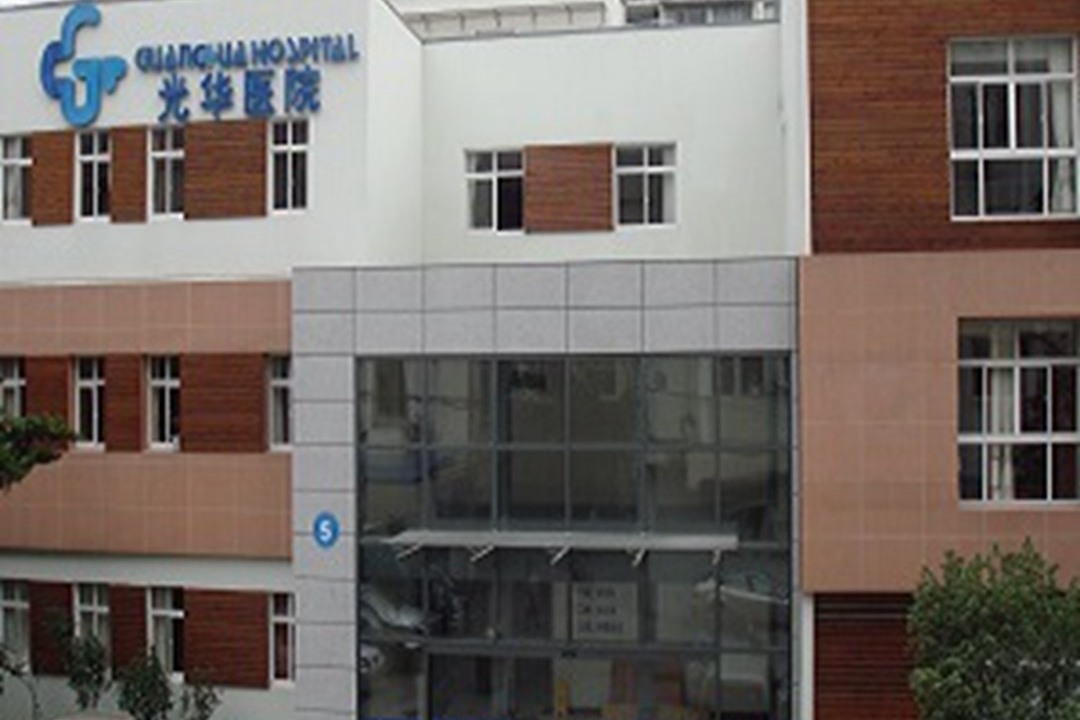
Shanghai Guanghua Hospital of Integrated Traditional Chinese and Western Medicine
Shanghai Guanghua Hospital of Integrated Traditional Chinese and Western Medicine is a Class A tertiary hospital specializing in orthopedics and traumatology, rheumatic diseases, joint disorders, rehabilitation medicine, and integrated traditional Chinese and Western medicine. It is also an affiliated hospital of Shanghai University of Traditional Chinese Medicine. The hospital has extensive experience in degenerative joint disease, rheumatoid arthritis, ankylosing spondylitis, osteoporosis, neck, shoulder, low back, and leg pain, as well as perioperative rehabilitation, and has developed a care pathway that combines traditional Chinese medicine syndrome differentiation and treatment, precise Western medical assessment, minimally invasive surgery, and systematic rehabilitation. Its main strengths lie in the collaboration between orthopedics and rheumatology/immunology subspecialties, combined Chinese and Western approaches to controlling chronic inflammation and pain, enhanced postoperative recovery, and continuous management of musculoskeletal conditions in older adults. As an important center for integrated orthopedics and rheumatology in Shanghai, the hospital is well recognized by local patients, and is particularly suitable for patients who need long-term follow-up, conservative treatment, and integrated postoperative rehabilitation management.
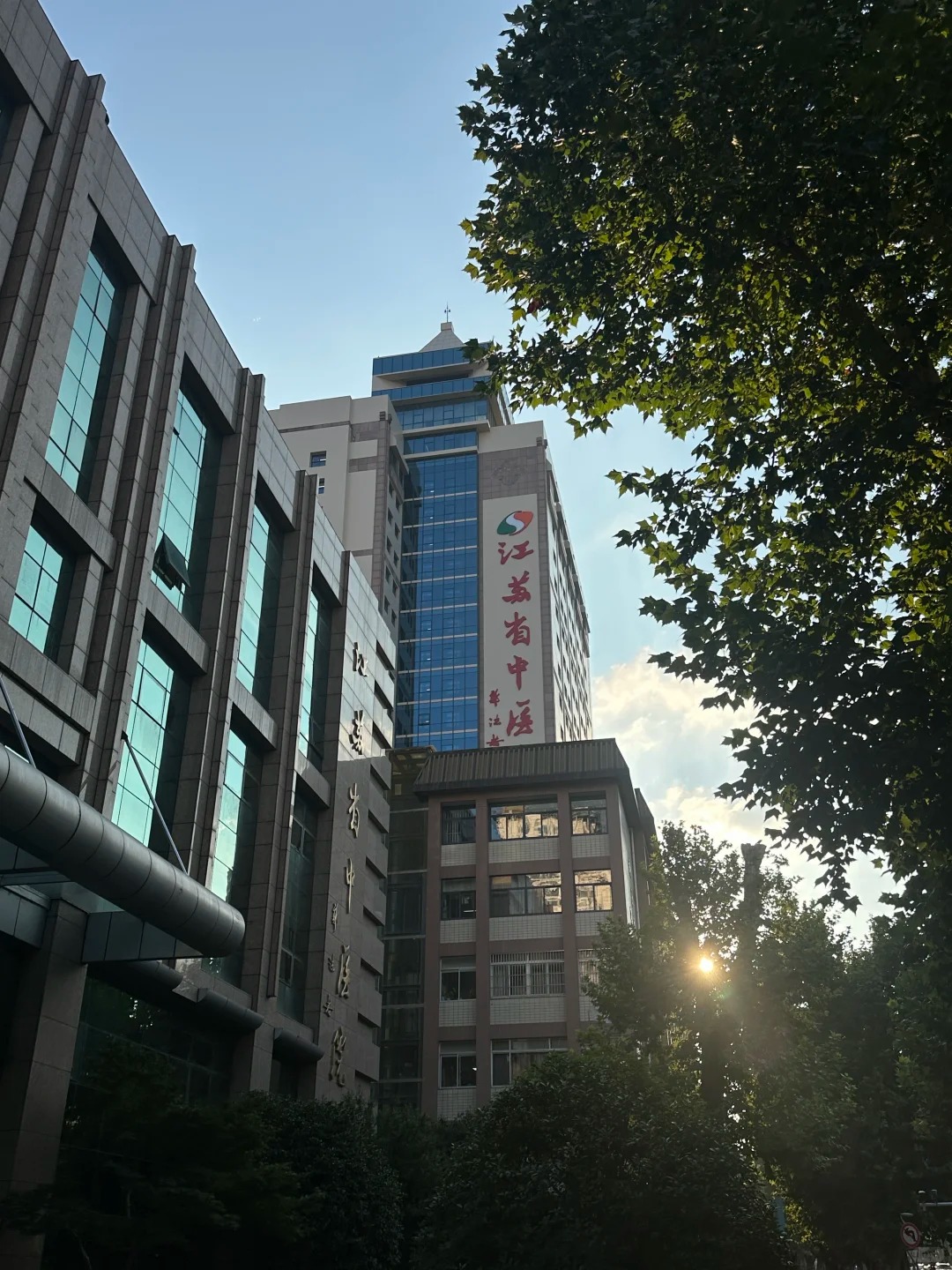
Jiangsu Province Hospital of Traditional Chinese Medicine
Jiangsu Province Hospital of Traditional Chinese Medicine (Affiliated Hospital of Nanjing University of Chinese Medicine) is a core institution for high-level medical care, research, and education in traditional Chinese medicine in Jiangsu Province. It has long been recognized for its strengths in internal medicine of traditional Chinese medicine, spleen and stomach disorders, cardiovascular and cerebrovascular diseases, oncology, nephrology, orthopedics and trauma, acupuncture and tuina, gynecology, and pediatrics. The hospital has developed comprehensive capabilities in integrated traditional Chinese and Western medicine, management of complex and severe conditions, preservation of traditional therapies, and coordinated development with modern medicine. Its technical barriers are mainly reflected in its inheritance system for renowned senior TCM physicians, clusters of key clinical specialties, application of distinctive formulations and classical prescriptions, accumulated expertise in acupuncture rehabilitation and external TCM therapies, as well as its role as a comprehensive regional platform for high-difficulty TCM diagnosis and treatment, education, and research translation.
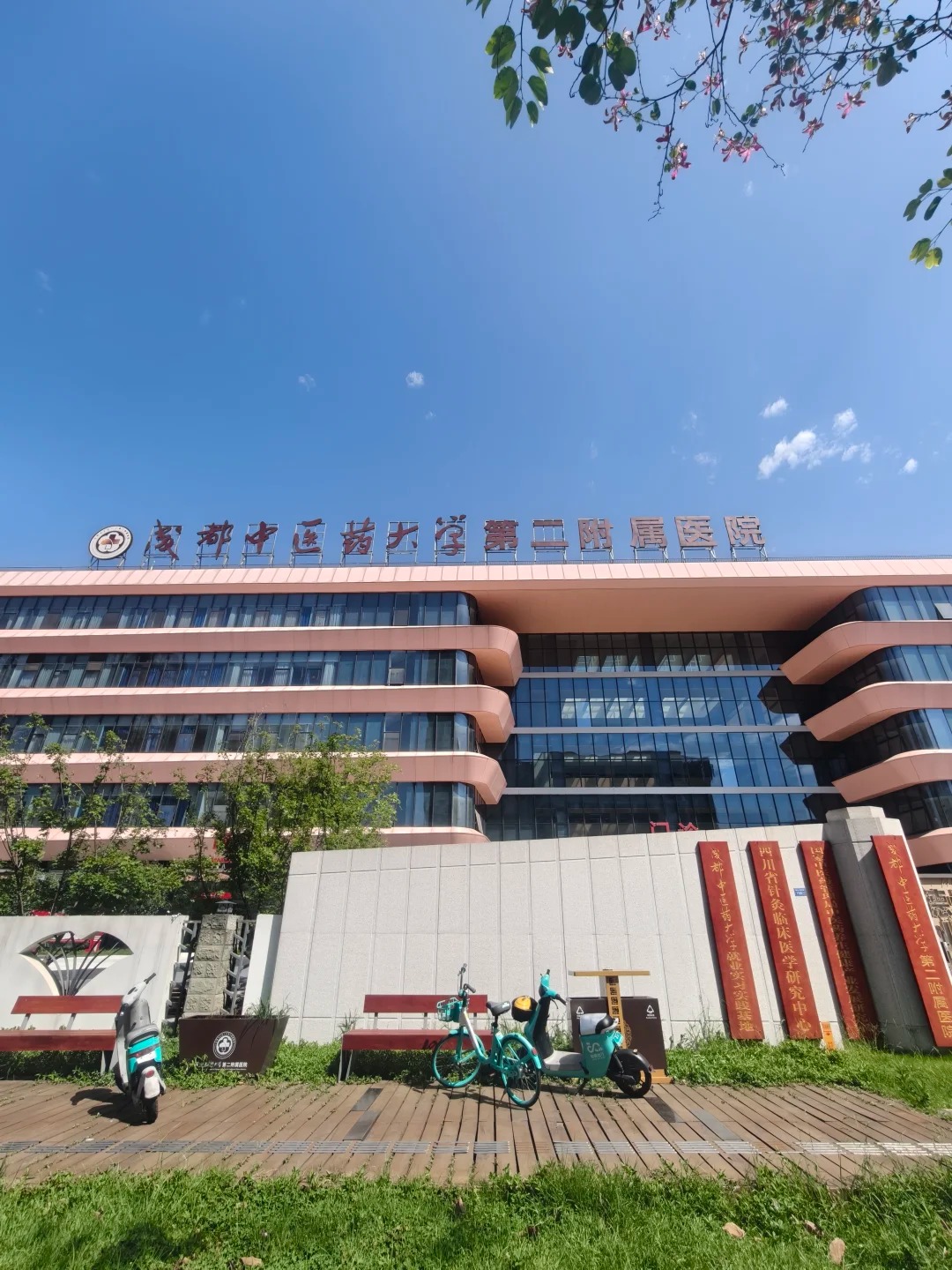
Hospital Affiliated with Chengdu University of Traditional Chinese Medicine
The Hospital Affiliated with Chengdu University of Traditional Chinese Medicine is a comprehensive Class A tertiary traditional Chinese medicine hospital centered on the strengths of traditional Chinese medicine. It typically has substantial experience in acupuncture and tuina, orthopedics and trauma, spleen and stomach disorders, pulmonary diseases, oncology, gynecology, pediatrics, preventive treatment, and classical TCM diagnosis and treatment. Its competitive advantages mainly come from accumulated TCM clinical pathways, a heritage system for renowned senior TCM physicians, diagnostic and treatment capabilities integrating acupuncture, tuina, and traditional Chinese and Western medicine, as well as multidisciplinary collaborative care built around conditions where TCM has particular strengths. As current, verifiable, publicly available authoritative sources have not consistently confirmed the latest operational and ranking data, the quantifiable values in the above indicators are treated as 0.
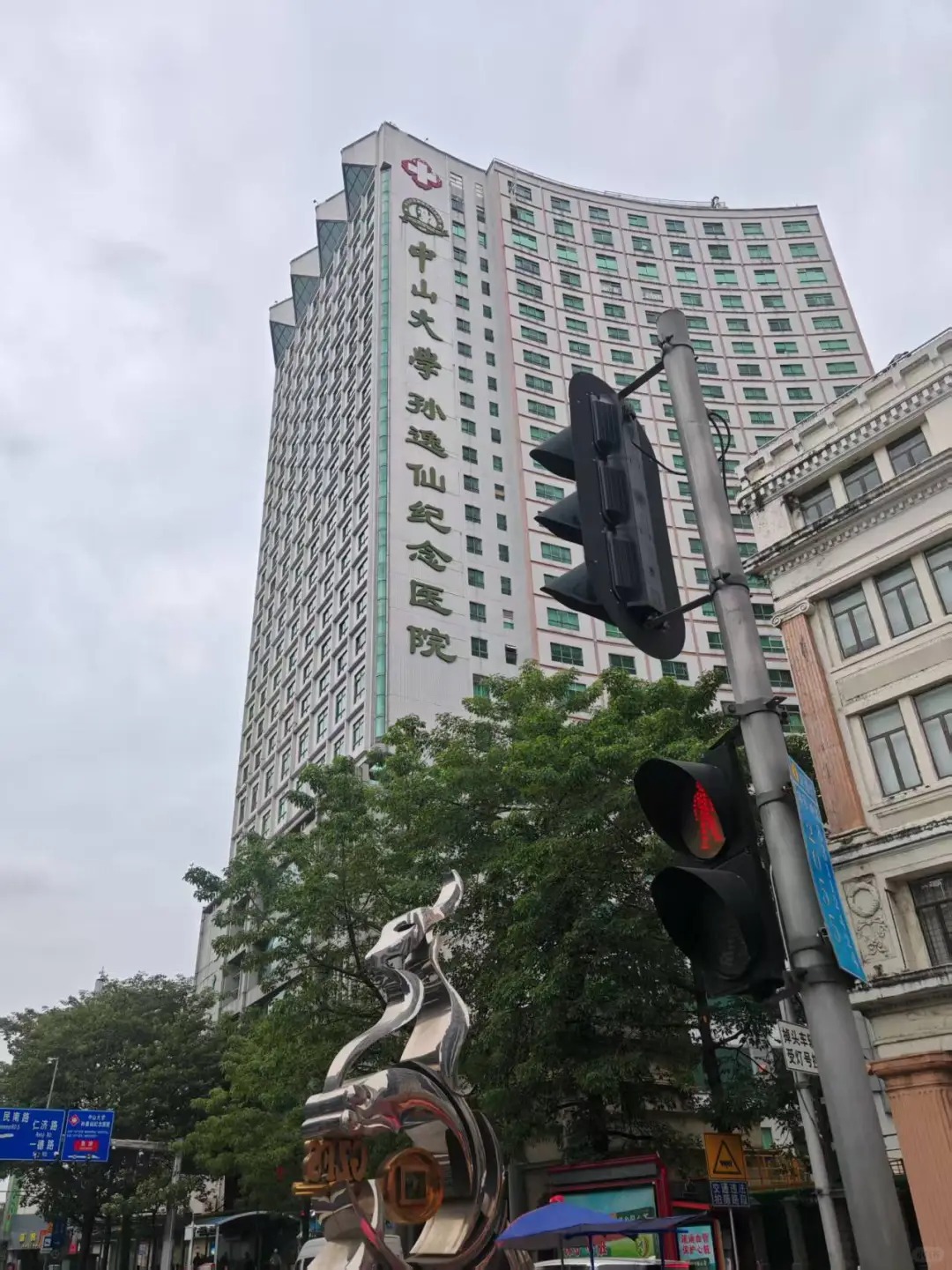
Sun Yat-sen Memorial Hospital, Sun Yat-sen University
Founded in 1835, Sun Yat-sen Memorial Hospital (the Second Affiliated Hospital of Sun Yat-sen University) is China's first hospital of Western medicine and the birthplace of Western medical education in the country. Dr. Sun Yat-sen once studied medicine and engaged in revolutionary activities here. The hospital has evolved into a large-scale, comprehensive Class A tertiary hospital integrating medical care, education, research, and preventive health services. Its comprehensive strength consistently ranks among the top in China, with international leadership in fields such as tumor microenvironment and RNA medicine. Its techniques in breast-conserving surgery for breast cancer and minimally invasive treatment for urological tumors have reached world-leading standards. The hospital hosts 9 national key disciplines and 26 national clinical key specialties.
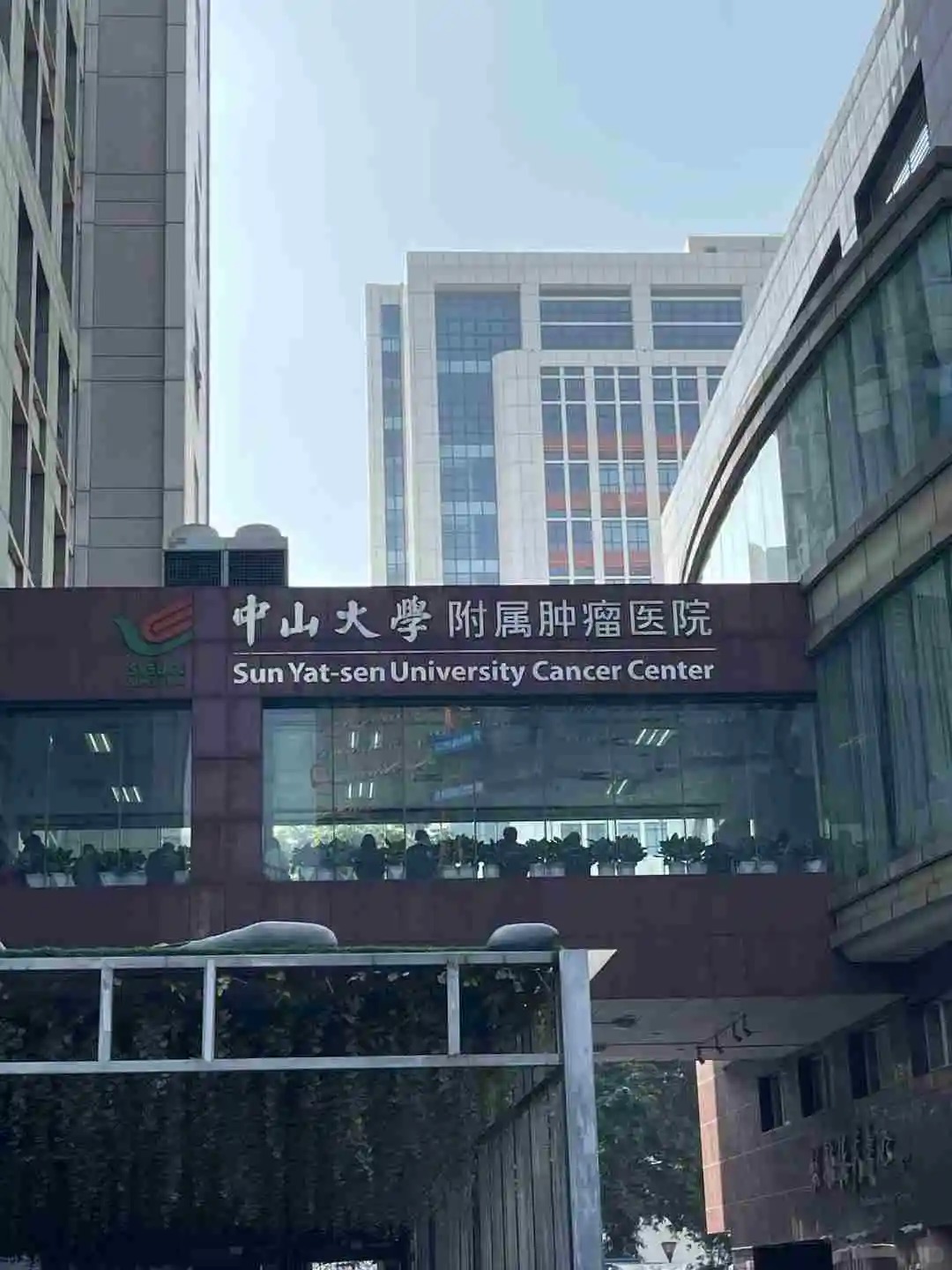
Sun Yat-sen University Cancer Center (SYSUCC)
Established in 1964, Sun Yat-sen University Cancer Center (comprising the Affiliated Cancer Hospital and the Cancer Research Institute) is one of the four earliest specialized cancer hospitals in the People's Republic of China. As a premier national-level oncology institution, it serves as the largest and most academically advanced base for cancer treatment, education, research, and prevention in South China. The center hosts national-level research platforms, including the National Key Discipline (Oncology) and the State Key Laboratory of Oncology in South China. It maintains international leadership in the diagnosis and treatment of common and complex malignancies, such as nasopharyngeal carcinoma, gastrointestinal tumors, lung cancer, and lymphoma. Notably, its protocols for nasopharyngeal carcinoma are recognized globally as the 'Chinese Solution' for setting international standards.
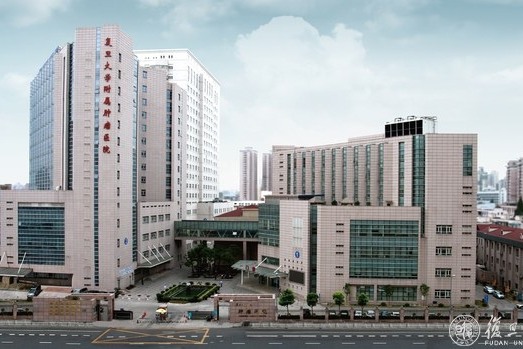
Fudan University Shanghai Cancer Center
Fudan University Shanghai Cancer Center (Shanghai Cancer Hospital) is a national-level leading hospital in China’s oncology specialty field, integrating medical care, teaching, research, and prevention, with Shanghai as its core and services extending nationwide. The hospital has significant strengths in breast cancer, thoracic oncology, head and neck cancer, gastrointestinal cancer, gynecologic cancer, urologic cancer, radiation therapy, pathology diagnosis, and multidisciplinary care, and has developed technical capabilities in areas such as precise diagnosis and treatment of complex cancers, standardized surgery, individualized radiotherapy and chemotherapy, molecular pathology, and translational research. As a high-level affiliated hospital of Fudan University, its oncology discipline has long ranked among the top in China. For Chinese patients making interregional and cross-border care decisions, it combines a strong clinical standard, mature treatment pathways, and overall costs that are relatively more cost-effective than those at international cancer centers.