
Top Hospitals in China
Book top-ranked medical institutions in China. Reference costs, not promises; we add zero markup to your hospital bill.
verified_user Independent patient coordination. Zero hospital markups. Not medical advice.
91 hospitals found
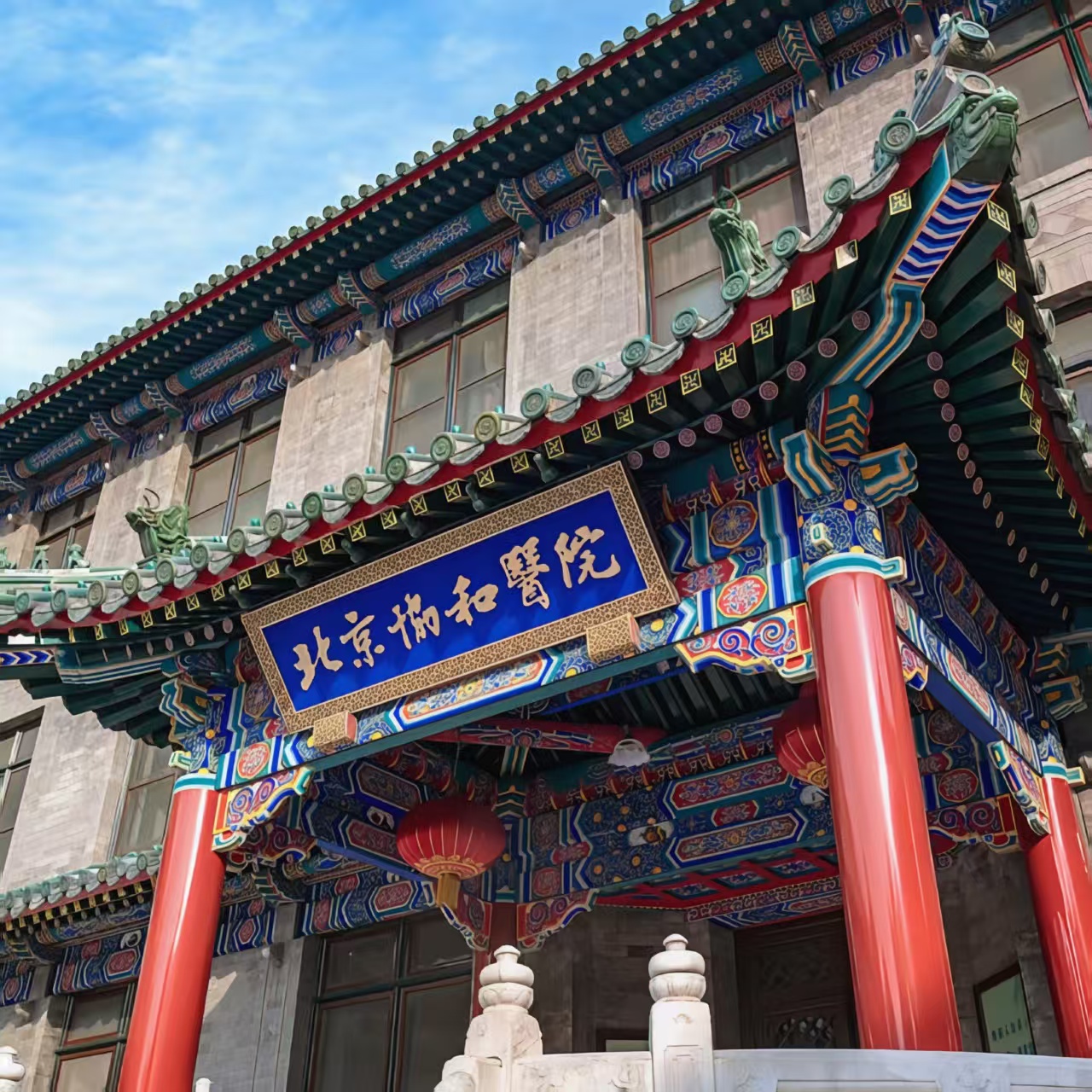
Peking Union Medical College Hospital

Founded in 1921 by the Rockefeller Foundation, Peking Union Medical College Hospital (PUMCH) is a modern comprehensive Class A tertiary hospital integrating medical care, teaching, and research. It is also the national guidance center designated by the National Health Commission of China for the diagnosis and treatment of difficult and critical diseases. As a top medical center in China, PUMCH is renowned for its complete range of disciplines, strong technical force, and outstanding medical specialties, maintaining an internationally leading position in fields such as rheumatology and immunology, obstetrics and gynecology, general surgery, and neurology.
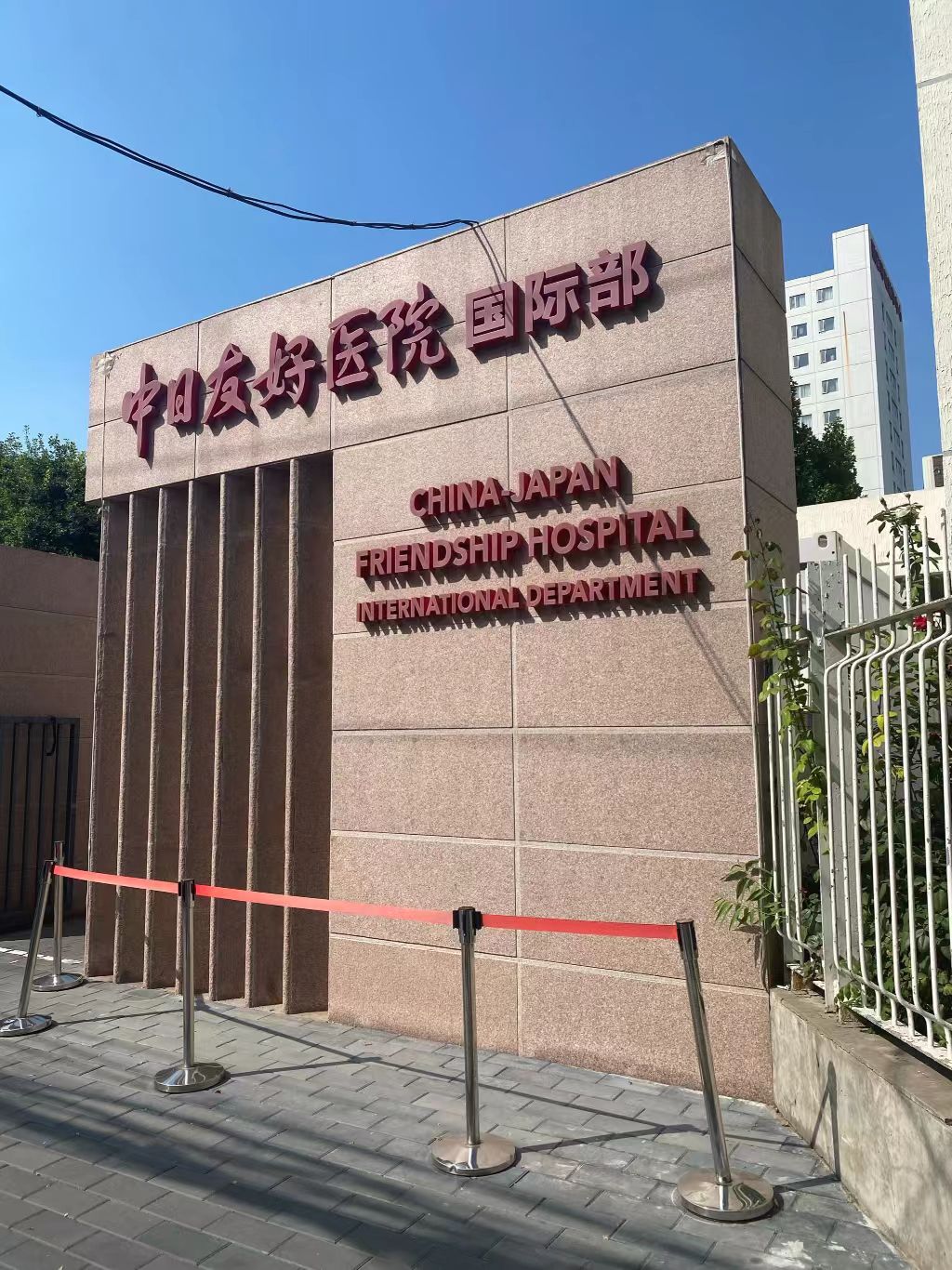
China-Japan Friendship Hospital
The China-Japan Friendship Hospital (CJFH) is a large-scale comprehensive Class A tertiary hospital directly under the National Health Commission. Located in Chaoyang District, Beijing, it serves as the National Center for Respiratory Medicine, the National Center for Integrated Traditional Chinese and Western Medicine, and the National Telemedicine and Connected Health Center. The hospital is widely recognized for its expertise in respiratory and critical care medicine, organ transplantation, and comprehensive oncology treatment. Its International Medical Center, one of the earliest institutions in Beijing designated for foreign nationals, provides high-standard international healthcare services.
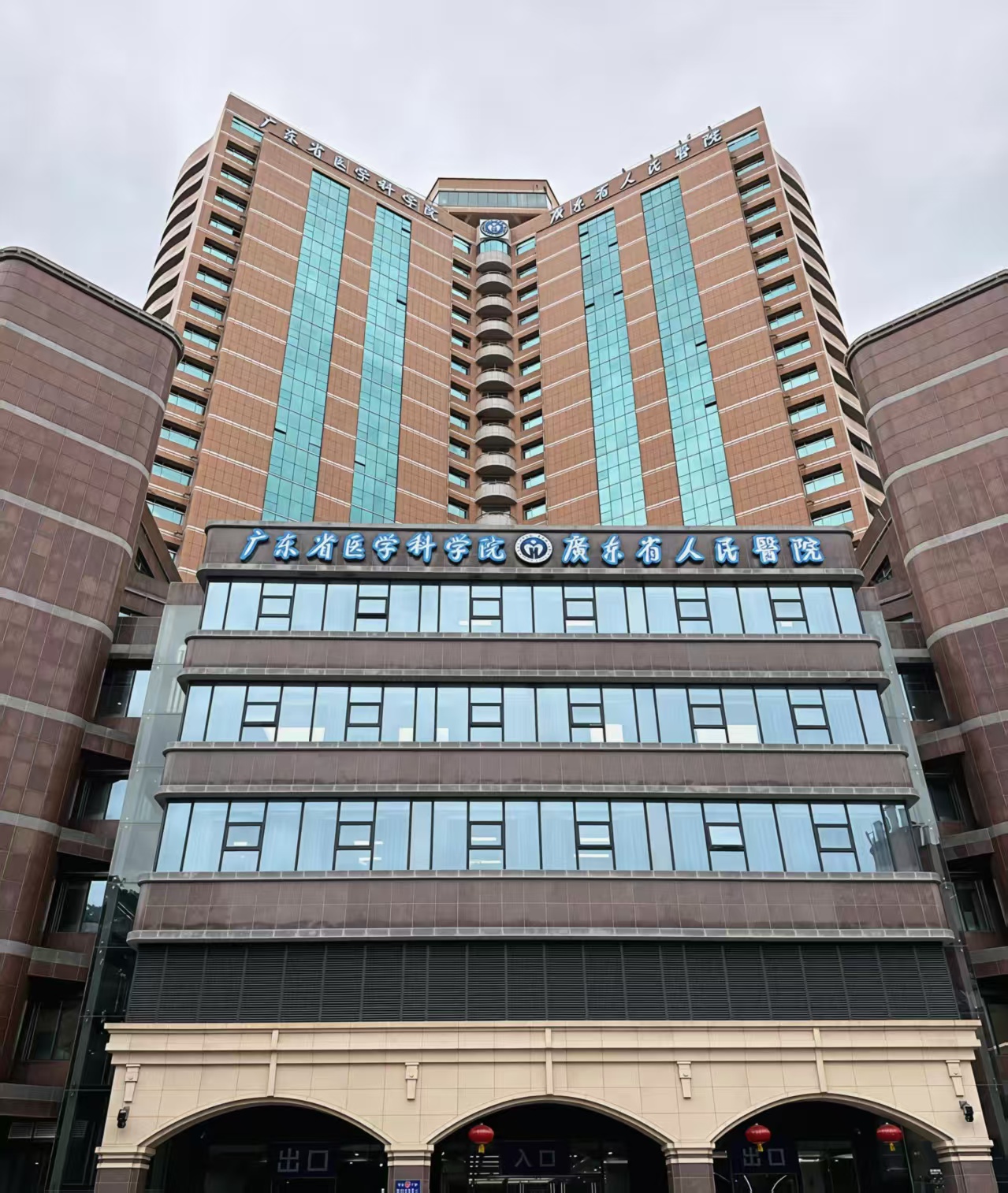
Guangdong Provincial People's Hospital
Guangdong Provincial People's Hospital (Guangdong Academy of Medical Sciences), established in 1946, is one of the largest comprehensive hospitals in China. The hospital operates on a model emphasizing specialized care within a comprehensive framework, with cardiovascular medicine as its core specialty. Its cardiovascular research and treatment capabilities are nationally recognized, particularly in cardiac surgery and cardiology, where it has pioneered several advanced surgical procedures in mainland China. As one of the first designated medical institutions under the 'Hong Kong and Macau Medicine and Equipment Connect' policy, the hospital participates in the medical integration of the Greater Bay Area, offering patients access to internationally approved medications and medical devices.

Peking University People's Hospital
Founded in 1918, Peking University People's Hospital is the first comprehensive Western medicine hospital funded, built, and managed by Chinese citizens. As a hospital directly under the National Health Commission and an affiliated hospital of Peking University, it houses multiple national-level strategic platforms, including the National Clinical Research Center for Hematologic Diseases. Its Institute of Hematology is the largest single-center hematopoietic stem cell transplantation facility globally. It pioneered the "Beijing Protocol" for bone marrow transplantation, addressing the global challenge of haploidentical hematopoietic stem cell transplantation. The hospital holds a leading position internationally in fields such as critical care medicine, orthopedics, trauma care, and thoracic surgery, and is committed to providing advanced diagnostic and treatment technologies to patients worldwide.
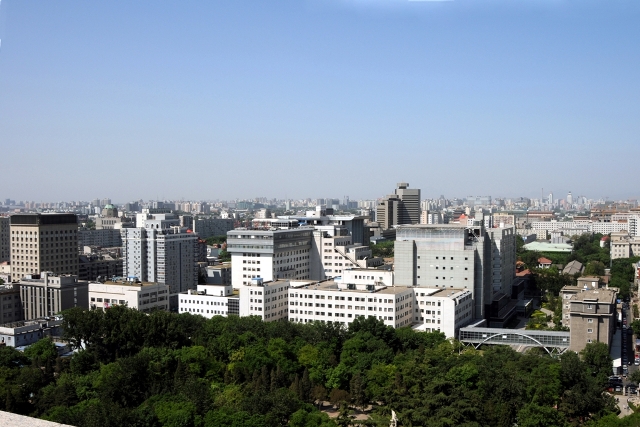
Beijing Hospital
Founded in 1905, Beijing Hospital is a Class A tertiary comprehensive hospital directly under the National Health Commission and serves as the National Center for Geriatrics. The hospital maintains a leading national and advanced international standing in fields such as geriatric medicine, respiratory medicine, and the diagnosis and treatment of cardiovascular and cerebrovascular diseases. Leveraging its extensive experience as a central healthcare base, its International Medical Center (Special Needs Department) provides high-quality clinical services for domestic and international patients, expatriates in China, and cross-border medical travelers. Compared to top-tier medical institutions in Europe and North America, Beijing Hospital offers significant technical expertise in multidisciplinary team (MDT) diagnosis and treatment for complex geriatric conditions, while maintaining a substantial cost advantage and significantly shorter waiting times in the international department, providing cross-border patients with high-efficiency and cost-effective medical solutions.
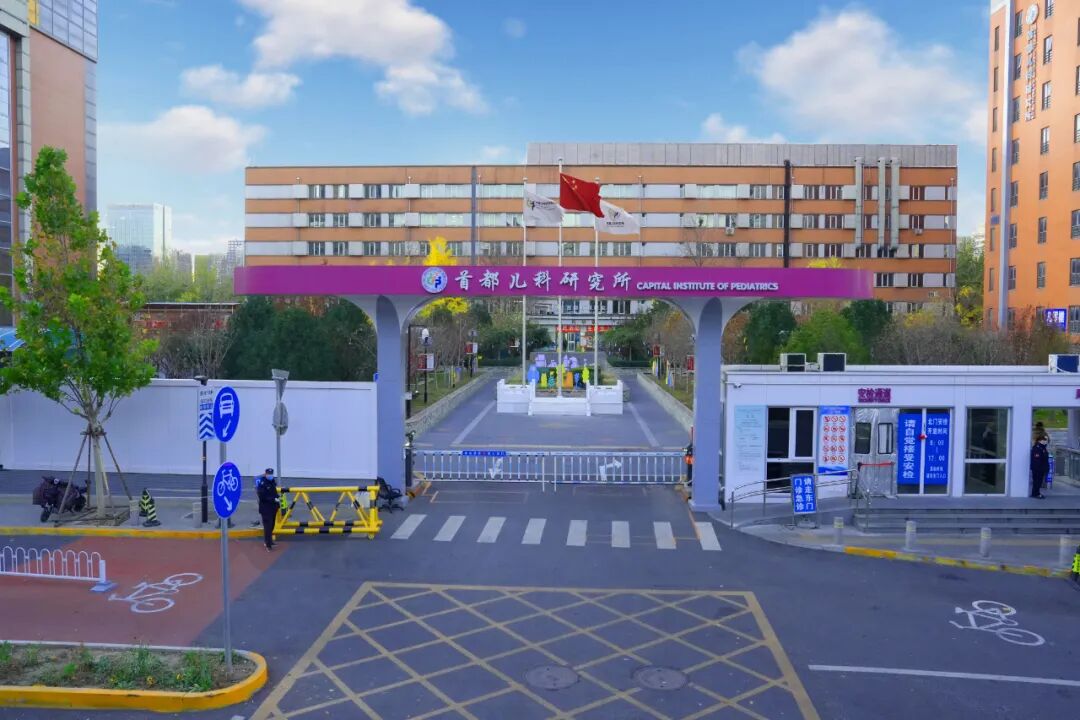
Capital Institute of Pediatrics
Established in 1958, the Capital Institute of Pediatrics (CIP) was the first pediatric research institution in the People's Republic of China. Its affiliated children's hospital is a Class A tertiary hospital, serving as an authoritative institution integrating basic pediatric research, clinical diagnosis and treatment, higher education, and preventive healthcare. The hospital maintains significant academic expertise and technical capabilities in pediatric respiratory medicine, asthma, infectious diseases, critical care medicine, and pediatric surgery. It leads numerous national key research projects and provides advanced diagnostic and therapeutic solutions for children with complex and critical conditions.

The Third Affiliated Hospital of Sun Yat-sen University
Founded in 1971, The Third Affiliated Hospital of Sun Yat-sen University (SYSU-3) is a comprehensive Class A tertiary hospital directly under the National Health Commission. The hospital is renowned both domestically and internationally for its specialized expertise in liver diseases, neurological disorders, and the treatment of complex and critical conditions. It operates four campuses—Tianhe, Luogang, Eastern Guangdong, and Zhaoqing—forming a strategic multi-campus development model. As a provider for the National Regional Medical Center project, the hospital maintains leading national positions in hepatology (liver transplantation, severe hepatitis treatment), brain sciences (childhood autism, minimally invasive spine surgery, neuroimmunology), and immune-related diseases. The institution hosts 5 national key disciplines (General Surgery, Endocrinology, Neurology, Nephrology, and Otolaryngology) and 13 national clinical key specialty construction projects.
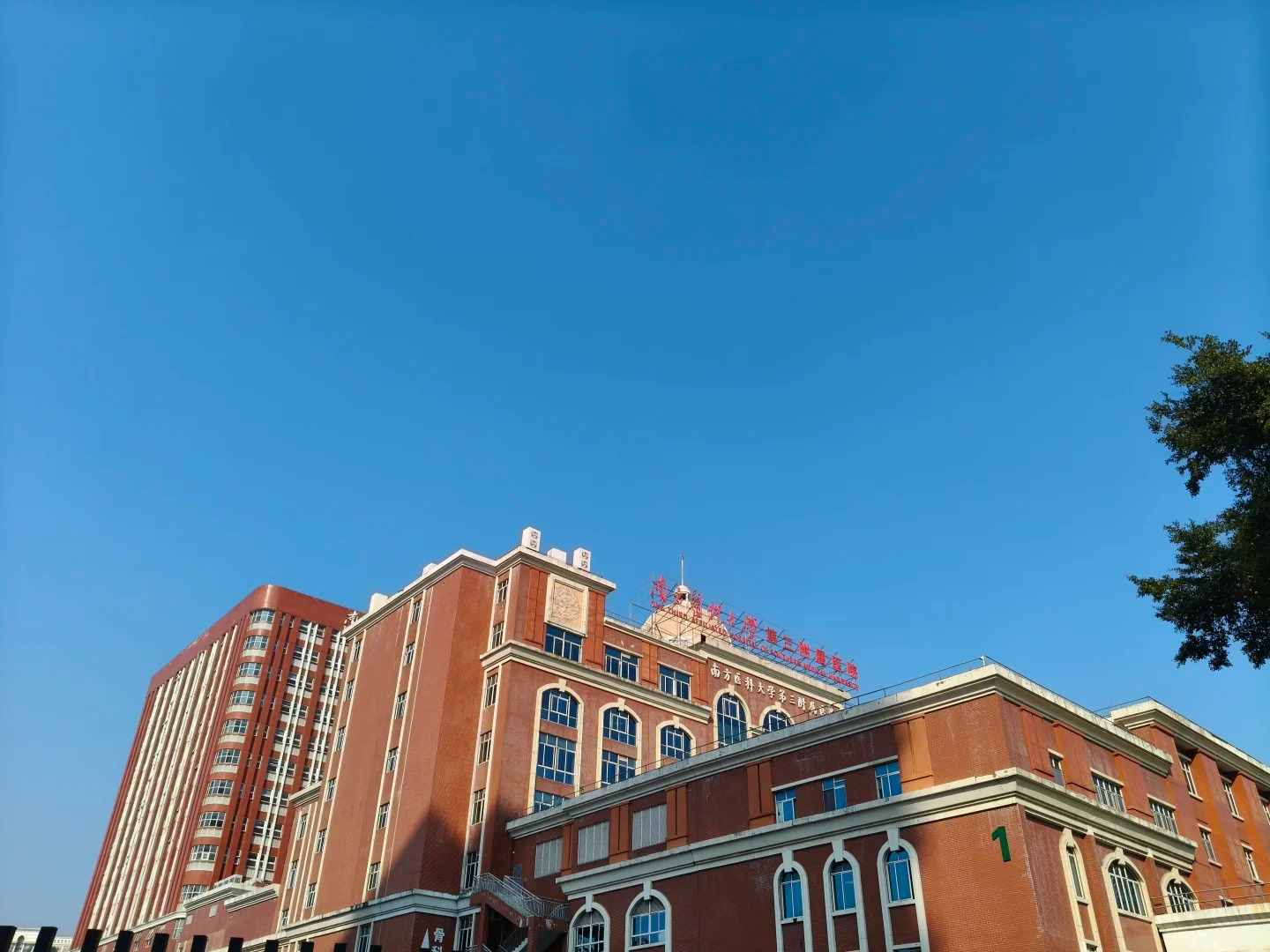
The Third Affiliated Hospital of Southern Medical University
The Third Affiliated Hospital of Southern Medical University (Guangdong Provincial Institute of Orthopedics, Guangdong Provincial Orthopedic Hospital) is a comprehensive Class A tertiary hospital integrating medical care, education, and research. As the designated Guangdong Provincial Orthopedic Hospital, it possesses significant clinical strength in orthopedics, which is recognized as a National Key Cultivation Discipline and a High-level Clinical Key Specialty of Guangdong Province. The department features eight sub-specialties, including spine, joint, and trauma surgery, and served as the host for the SICOT World Orthopaedic Congress. The hospital maintains a leading national position in medical 3D printing applications, minimally invasive spinal surgery, joint replacement, and sports medicine.
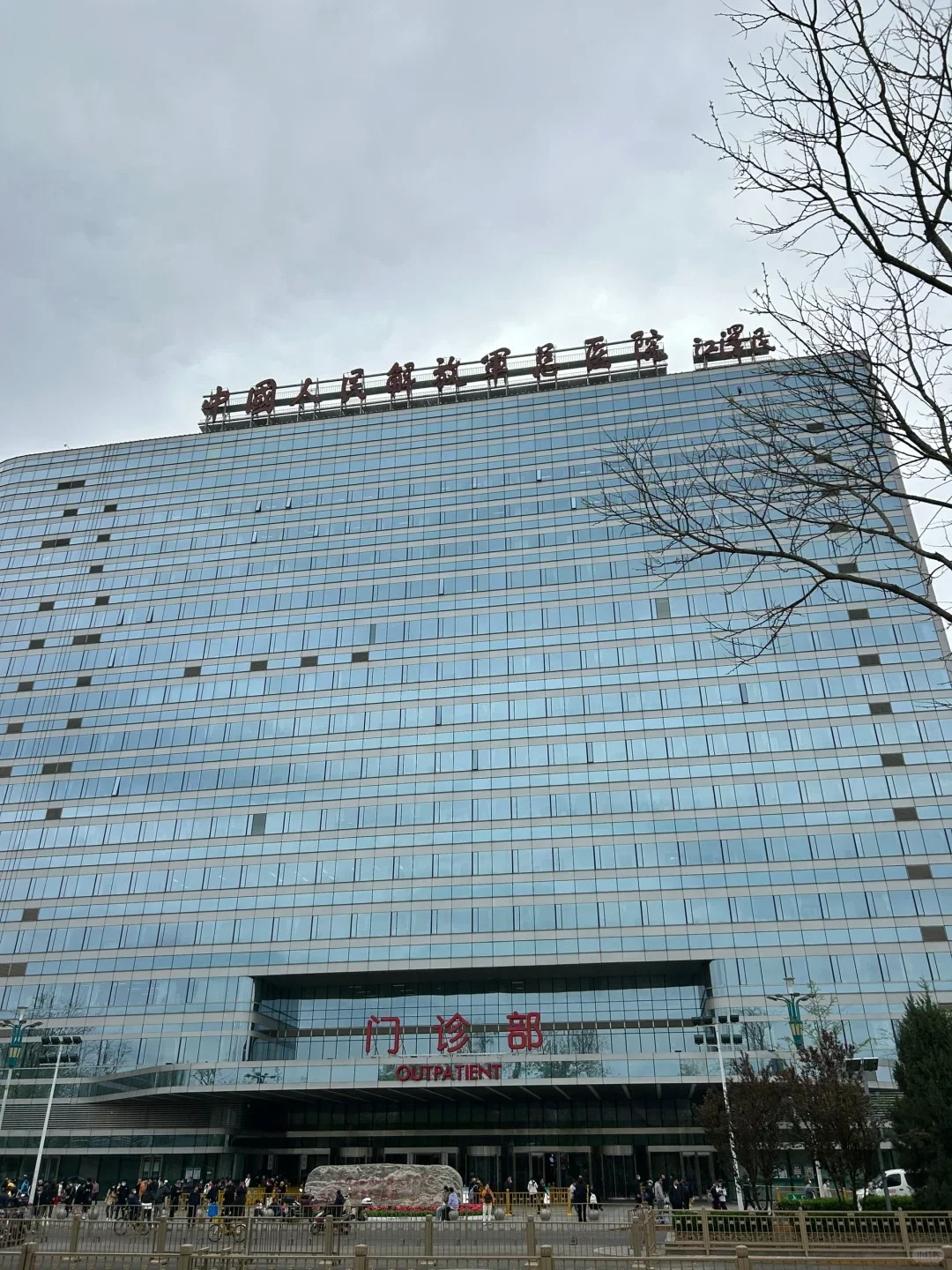
Chinese People's Liberation Army General Hospital (301 Hospital)
Founded in 1953, the Chinese People's Liberation Army (PLA) General Hospital (301 Hospital) is a large-scale modern comprehensive hospital integrating medical care, health preservation, teaching, and research. It is directly affiliated with the PLA Joint Logistics Support Force. The hospital maintains significant clinical advantages and high technical expertise in fields such as critical care, targeted tumor therapy and immunotherapy, geriatrics, orthopedics, and otolaryngology-head and neck surgery. As a national key medical base, the hospital features advanced medical equipment and an expert team led by academicians of the Chinese Academy of Sciences and the Chinese Academy of Engineering. It also operates a dedicated International Medical Center (VIP Department) to provide efficient expedited services for international patients. Compared to leading medical institutions in Europe and North America, 301 Hospital offers significant cost savings and substantially shorter waiting times for complex surgical procedures while maintaining comparable or higher success rates.
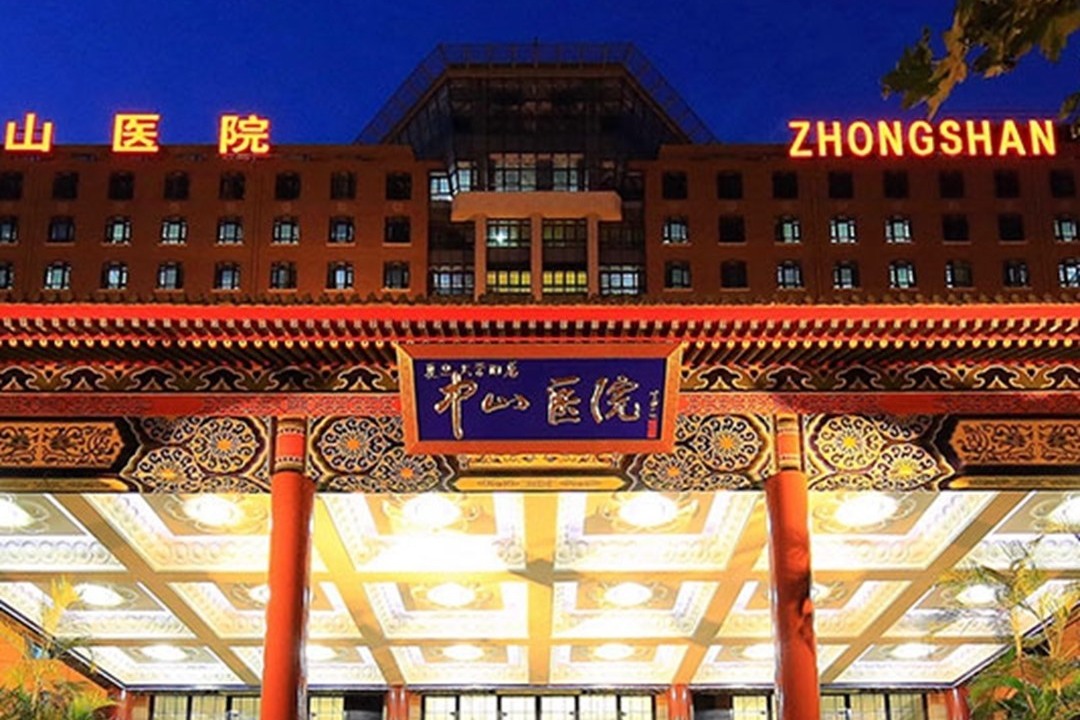
Zhongshan Hospital, Fudan University
Zhongshan Hospital, Fudan University, was established in 1937. It is one of the leading national medical center development institutions in China and a representative Class A tertiary public hospital in Shanghai. The hospital is known for its strengths in cardiology, cardiac surgery, general surgery, liver cancer surgery, respiratory and critical care medicine, diagnostic imaging, intensive care medicine, gastroenterology, thoracic surgery, and infectious diseases. Its services in cardiac intervention, coronary artery bypass grafting, complex structural heart disease treatment, comprehensive liver cancer treatment, minimally invasive thoracic surgery, and critical care remain among the country’s leading programs. Supported by Fudan University’s clinical research platform, the hospital has strong capabilities in treating complex and critical conditions and a high-level multidisciplinary collaboration system, with technical strength in complex surgeries, advanced interventions, and precision diagnosis and treatment. As an important gateway for international patients, Zhongshan Hospital offers an International Medical Department/International Medical Center, providing a relatively high standard of appointment coordination, inpatient care, health examinations, and multilingual support. Compared with large academic medical centers in Europe and North America, Zhongshan Hospital typically offers a shorter pathway to treatment and a significant cost advantage for common major diseases treated in China, making it suitable for cross-border and high-net-worth patients seeking high-level cardiovascular, oncology, and surgical care in China.