
Top Hospitals in China
Book top-ranked medical institutions in China. Reference costs, not promises; we add zero markup to your hospital bill.
verified_user Independent patient coordination. Zero hospital markups. Not medical advice.
91 hospitals found
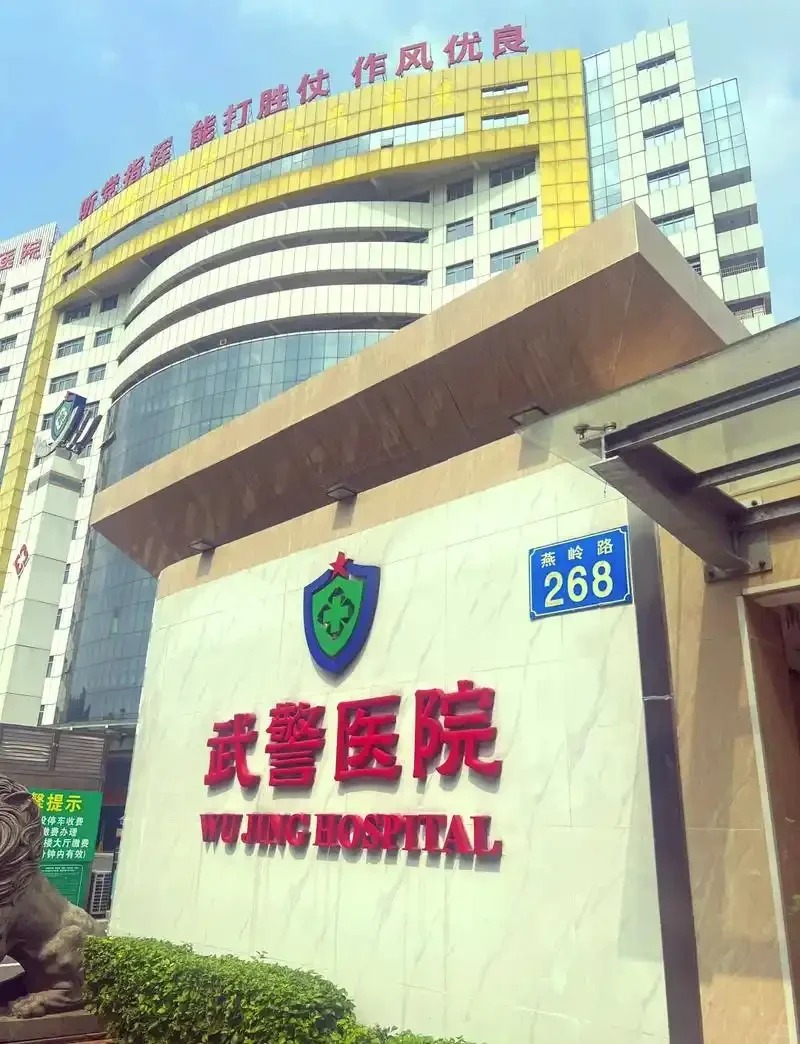
Guangdong Provincial Corps Hospital of the Chinese People's Armed Police Forces

Established in 1983, the Guangdong Provincial Corps Hospital of the Chinese People's Armed Police Forces (PAP) is a modern comprehensive Class A tertiary hospital integrating medical care, scientific research, teaching, prevention, healthcare, and rehabilitation. Located in the Tianhe District of Guangzhou, the hospital enjoys convenient transportation access near the entrances of the Guangzhou-Shantou and Guangzhou-Shenzhen Expressways. As a medical center for the PAP, it houses several authoritative institutions, including the PAP Institute of Emergency Surgery, the PAP Institute of Otorhinolaryngology, and the PAP Technical Center for Family Planning and Eugenics. The hospital maintains significant technical advantages in trauma emergency care, ENT, orthopedics, and minimally invasive surgery, with extensive experience in emergency rescue for public health incidents.
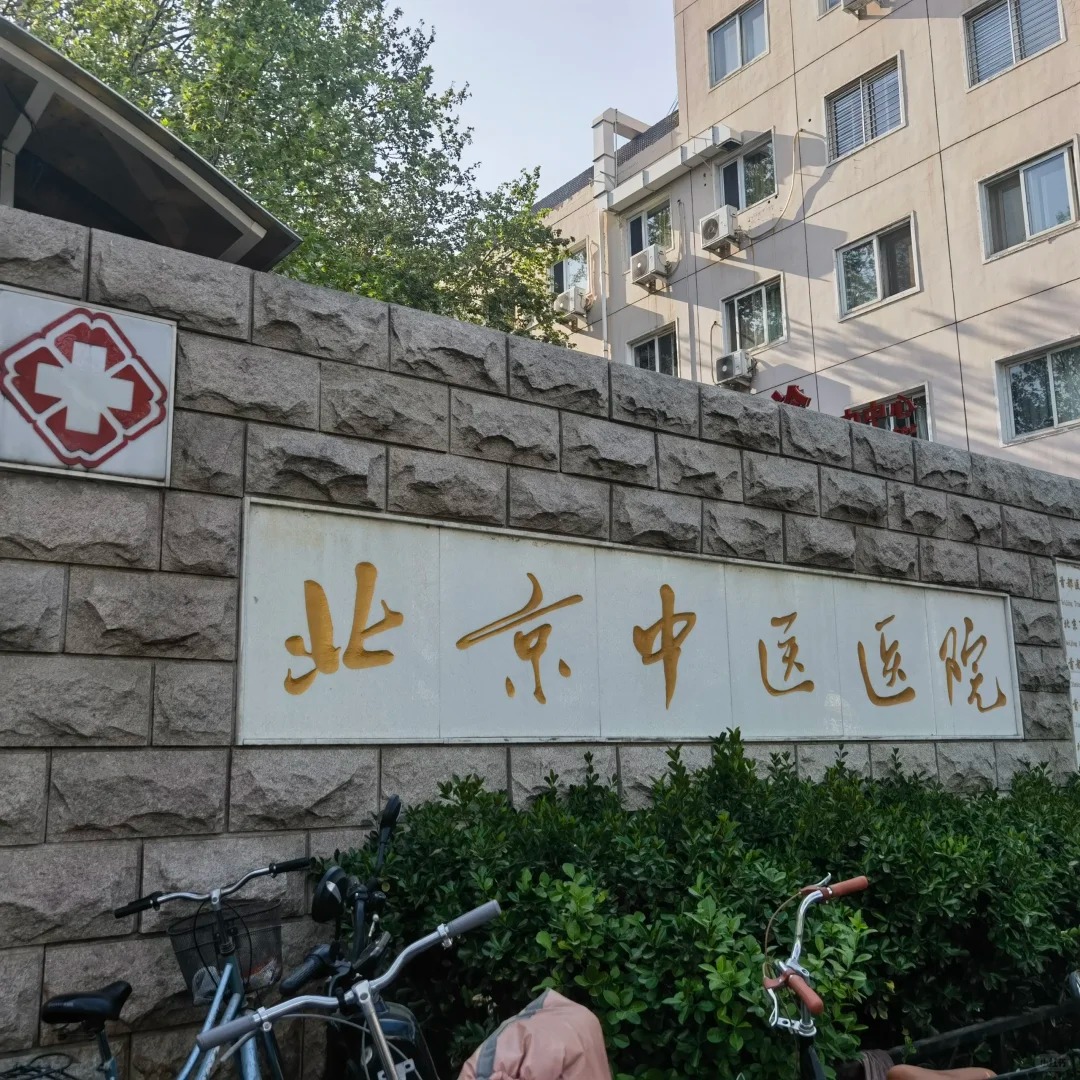
Beijing Hospital of Traditional Chinese Medicine, Capital Medical University
Established in 1956, Beijing Hospital of Traditional Chinese Medicine, Capital Medical University, is a comprehensive Class A tertiary hospital under the Beijing municipal government and one of the earliest provincial-level TCM hospitals in China. The hospital houses several national key clinical specialties, including TCM dermatology, gastroenterology, and acupuncture, and has established core technical expertise in TCM emergency medicine and chronic skin ulcers. As a leader in the internationalization of traditional Chinese medicine, the hospital has established overseas TCM institutions in Germany and Singapore. Its 'Kuanjie' series of proprietary hospital preparations, such as Shengfa Tincture and Chushi Pills, are highly regarded by patients both domestically and internationally.
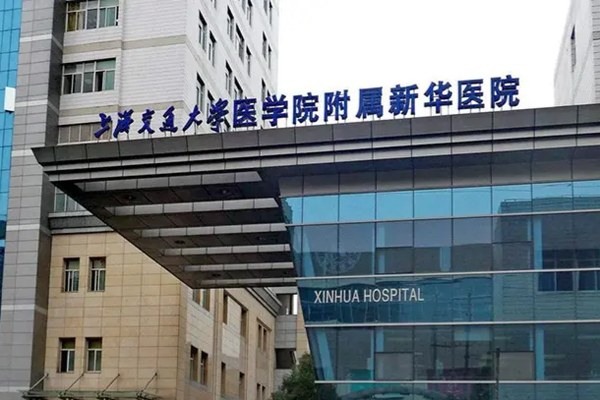
Xinhua Hospital Affiliated to Shanghai Jiao Tong University School of Medicine
Xinhua Hospital Affiliated to Shanghai Jiao Tong University School of Medicine is a large Class A tertiary comprehensive hospital and an important part of the National Children's Medical Center. It integrates medical care, teaching, research, prevention, and rehabilitation, and has distinctive pediatric strengths alongside broad multidisciplinary capabilities. The hospital has developed strong expertise in neonatal care, pediatric cardiology, pediatric critical care, pediatric neurology, pediatric surgery, pediatric orthopedics, pediatric endocrinology, and pediatric respiratory and infectious diseases, while also providing diagnosis and treatment for common adult conditions and complex critical illnesses. Supported by Shanghai Jiao Tong University School of Medicine and its multidisciplinary collaboration platform, the hospital has strong capabilities in critical care, minimally invasive surgery, precision diagnosis and treatment, and MDT management of complex cases, and is one of the important high-level centers for the treatment of complex and critical illnesses in the Yangtze River Delta region.
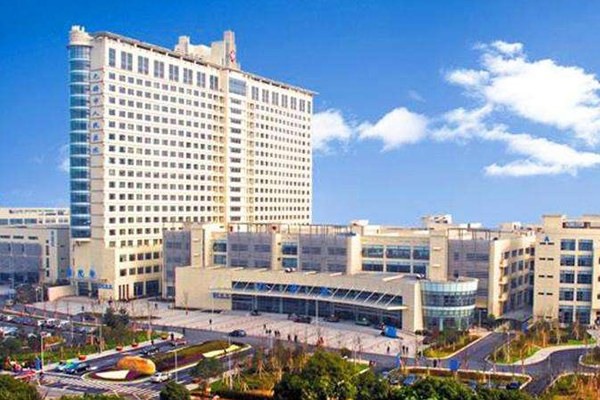
Shanghai Sixth People's Hospital
Shanghai Sixth People's Hospital was established in 1904 and is one of the affiliated hospitals of Shanghai Jiao Tong University. It is known for its strengths in orthopedics, trauma medicine, endocrinology and metabolism, and otorhinolaryngology-head and neck surgery. The hospital has nationally leading capabilities in limb replantation, diagnosis and treatment of complex bone and joint disorders, and comprehensive management of diabetes and its complications. It has formed a technical barrier centered on national key disciplines, key clinical specialties, and high-level research platforms. As a large Class A tertiary general hospital, it combines the treatment of complex and critical illnesses with teaching, training, and high-level research translation capabilities, and has strong referral appeal across the Yangtze River Delta and nationwide.
Shanghai Tenth People's Hospital
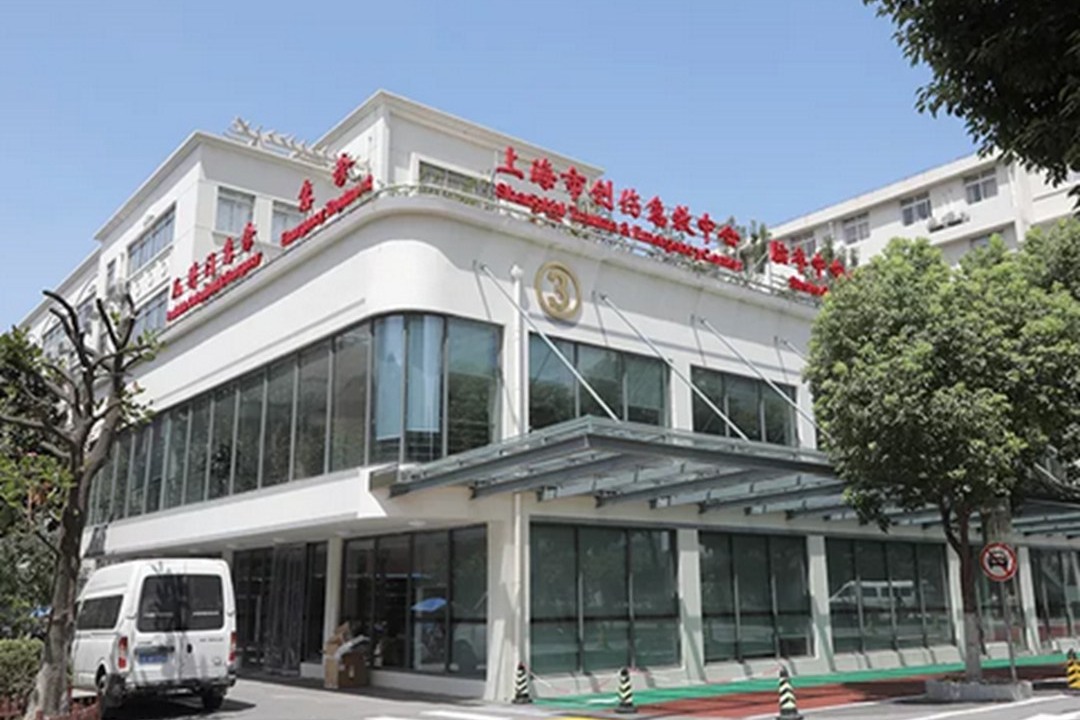
Shanghai Tenth People's Hospital (Tenth People's Hospital of Tongji University) is a large Class A tertiary comprehensive hospital. Drawing on the medical resources of Tongji University, it has strong capabilities in urology, orthopedics, gastroenterology, cardiology, respiratory and critical care medicine, general surgery, neurosurgery, and emergency and critical care treatment. The hospital emphasizes multidisciplinary collaboration, minimally invasive and precision diagnosis and treatment, management of complex and severe cases, and regional healthcare reach, with a relatively strong overall level in clinical translation and teaching and research.

Shanghai East Hospital
Shanghai East Hospital (East Hospital, Tongji University School of Medicine) was founded in 1920. It is a large Class A tertiary general university-affiliated hospital that integrates medical care, teaching, research, prevention, emergency care, and rehabilitation. The hospital has developed a coordinated model with two campuses, north and south. It has strong comprehensive capabilities in cardiovascular disease, emergency and critical care, chest pain center services, stroke center services, trauma care, integrated cancer treatment, interventional diagnosis and treatment, cardiovascular and aortic surgery, urology, obstetrics and gynecology, and geriatric medicine. Supported by the medical disciplines platform of Tongji University, the hospital has strong technical capabilities in clinical translation, multidisciplinary diagnosis and treatment of complex and severe cases, and the development of a high-level emergency care system. It also holds an important regional medical center position within the public hospital system of Pudong New Area. The hospital has an International Medical Department that provides appointment scheduling, inpatient services, health examinations, specialty disease care, and multilingual coordination for Chinese and international patients, making it suitable for patients seeking high-quality comprehensive care and convenient access to medical services in Shanghai.

Tongren Hospital, Shanghai Jiao Tong University School of Medicine
Tongren Hospital, Shanghai Jiao Tong University School of Medicine is a Class A tertiary comprehensive hospital that integrates medical care, teaching, research, prevention, and rehabilitation. It traces its origins to the St. Francis Hospital system founded in 1866 and is now an affiliated hospital of Shanghai Jiao Tong University School of Medicine. Centered on its role as a medical center for western Shanghai, the hospital has developed a comprehensive clinical system with strengths in otolaryngology and head and neck surgery, ophthalmology, cardiology, orthopedics, general surgery, obstetrics and gynecology, urology, oncology-related diagnosis and treatment, and emergency and critical care. The hospital has strong capabilities in minimally invasive surgery, day surgery, refined eye and ear, nose, and throat care, management of geriatric comorbidities, and regional emergency response coordination, and it also carries out clinical teaching and research translation through its university-affiliated platform. For patients in China, its advantages include location in Shanghai, a major international medical city, access to high-level specialty care at a cost significantly lower than that of private hospitals in Europe and the United States, and typically shorter scheduling times for initial consultations as well as more convenient end-to-end communication support in Chinese.
Shanghai Children's Medical Center Affiliated to Shanghai Jiao Tong University School of Medicine
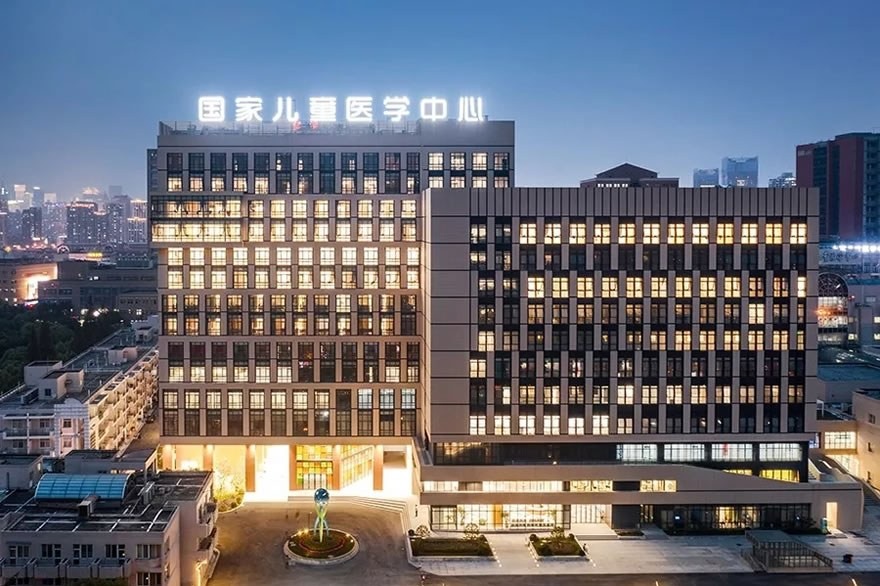
Shanghai Children's Medical Center Affiliated to Shanghai Jiao Tong University School of Medicine is a national children's medical center and a designated construction unit for a national regional medical center for children. It has long focused on complex and severe pediatric conditions, congenital heart disease, hematologic malignancies, neurological disorders, organ transplantation, and minimally invasive/interventional treatments. With multidisciplinary collaboration, precise diagnosis, perioperative management, and a child-friendly care system, the hospital has strong expertise in the treatment of complex cases, emergency transport of critically ill newborns, pediatric cardiothoracic surgery, and precision oncology care.
Children's Hospital of Fudan University
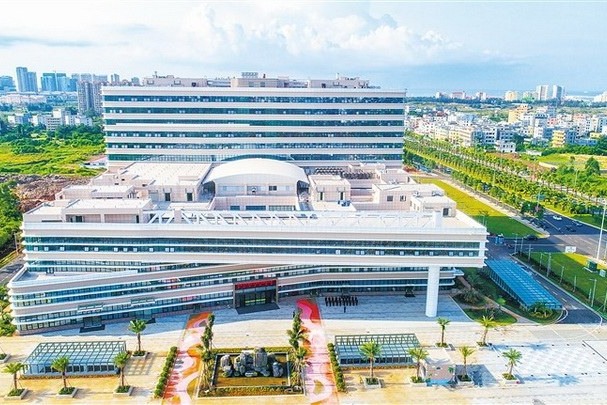
Children's Hospital of Fudan University was established in 1952. It is a designated implementing institution for the National Children's Medical Center and the National Regional Medical Center for Children, and is a leading institution in China for the diagnosis and treatment of complex and critical pediatric diseases, scientific innovation, and talent development. The hospital has recognized strengths in neonatology, rare pediatric diseases, pediatric hematology and oncology, cardiothoracic surgery, neurosurgery, hepatobiliary and digestive diseases, respiratory medicine, nephrology, endocrinology and genetic metabolic disorders, and infectious diseases and immunology. It provides pediatric care across the full life course, from the fetal period through adolescence. Its technical strengths are reflected in comprehensive treatment of complex congenital heart disease in children, hematopoietic stem cell transplantation, multidisciplinary diagnosis and treatment of pediatric solid tumors, precision diagnosis and treatment of birth defects and genetic disorders, pediatric minimally invasive surgery and intensive care, as well as a strong research translation platform. The hospital has long ranked among the leading pediatric specialty hospitals in China and has strong referral appeal in the domestic pediatric specialty field. For Chinese patients seeking alternatives to cross-border care, it offers clear value: in the field of complex pediatric diseases, it can provide standardized care pathways aligned with major international children's medical centers. Overall costs are usually significantly lower than treatment at pediatric specialty centers in the United States, Singapore, or Japan, and out-of-pocket and international outpatient waiting times are generally shorter than the full referral cycles at most top overseas children's hospitals.
Shanghai Children's Hospital
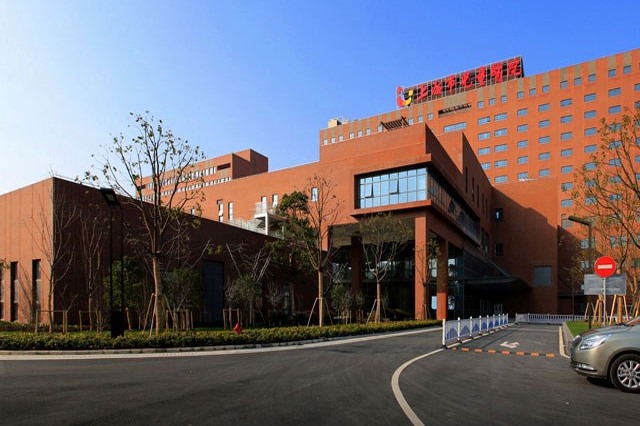
Shanghai Children's Hospital was established in 1937. It is the affiliated children's hospital of Shanghai Jiao Tong University School of Medicine and one of the founding institutions of the National Children's Medical Center. The hospital operates across two campuses, Luding Road Campus and Beijing West Road Campus. Its focus is the diagnosis and treatment of complex and critical pediatric conditions. It has developed a comprehensive pediatric subspecialty system covering neonatology, pediatric respiratory medicine, gastroenterology, neurology, hematology and oncology, cardiology, nephrology, general surgery, orthopedics, urology, and otolaryngology–head and neck surgery. Its strengths include multidisciplinary team (MDT) care, minimally invasive pediatric surgery, critical neonatal care, standardized treatment for pediatric cancer, integrated management of congenital diseases, and the ability to identify rare diseases. The hospital undertakes multiple clinical and research responsibilities at the national and Shanghai municipal levels, and has strong technical capabilities in pediatric care pathways, precision medicine, perioperative safety management, and child-friendly nursing services. For patients in China, it provides access to high-level pediatric specialist resources locally. Compared with seeking care in the United States, Japan, or Singapore, it generally offers lower total costs, shorter referral pathways, and greater language and cultural compatibility for initial consultations, follow-up visits, coordination of tests and inpatient care, and family accompaniment for both common and complex pediatric conditions.