
Top Hospitals in China
Book top-ranked medical institutions in China. Reference costs, not promises; we add zero markup to your hospital bill.
verified_user Independent patient coordination. Zero hospital markups. Not medical advice.
68 hospitals found
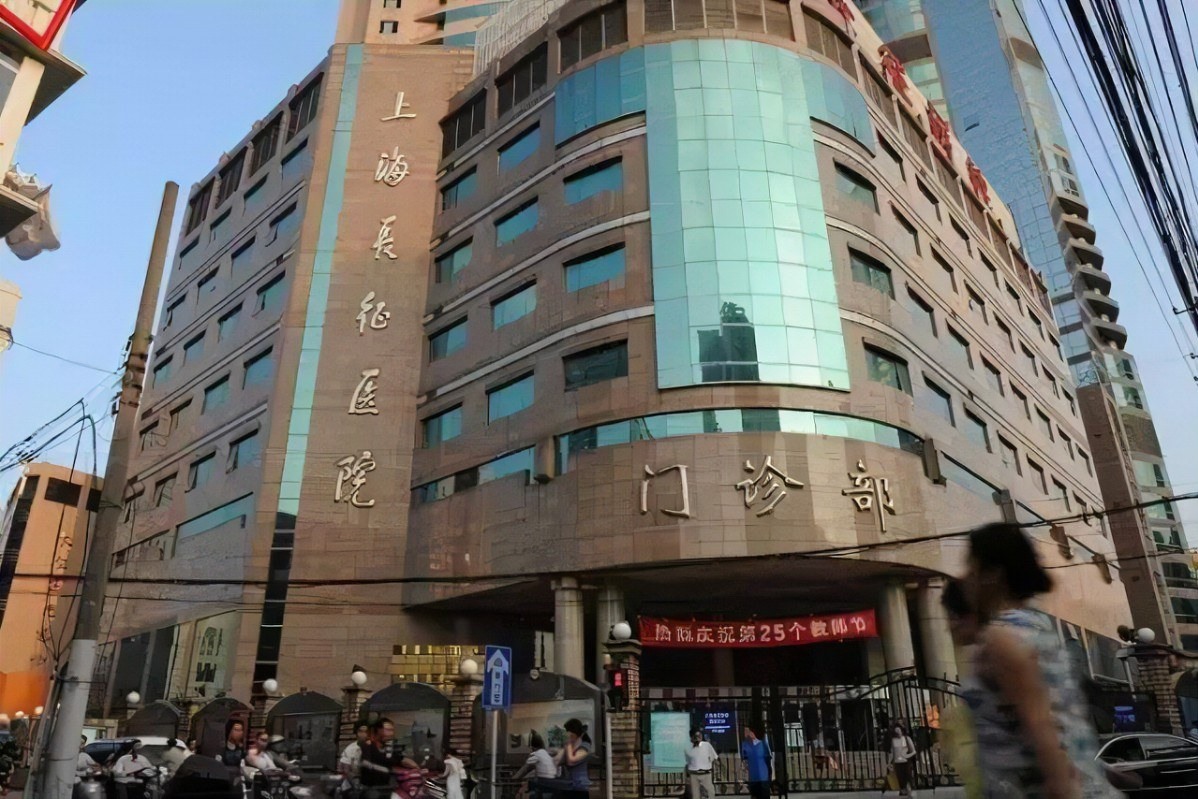
The Second Affiliated Hospital of the Naval Medical University

The Second Affiliated Hospital of the Naval Medical University, also known as Shanghai Changzheng Hospital, was founded in 1949. It is a national Class A tertiary general teaching hospital and one of the key affiliated hospitals of the Naval Medical University. The hospital has strong specialty strengths in orthopedics, spine surgery, neurosurgery, urology, general surgery, gastroenterology, nephrology, and emergency and critical care. It undertakes national-level responsibilities for the diagnosis and treatment of complex and critical illnesses, as well as teaching and research. Drawing on military medical systems and Shanghai’s high-quality medical resources, the hospital has developed strong technical capabilities in the correction of complex spinal deformities, minimally invasive treatment of bone and joint diseases, comprehensive diagnosis and treatment of cranial, brain, and spinal cord disorders, minimally invasive surgery for urinary tract tumors and stones, and multidisciplinary care for severe trauma and critical illness. As a large general hospital, it has notable capabilities in multidisciplinary consultation for complex cases, perioperative management, and the performance of high-complexity surgery, making it attractive to patients who seek high-level specialty care in China while controlling cross-border medical and time costs.
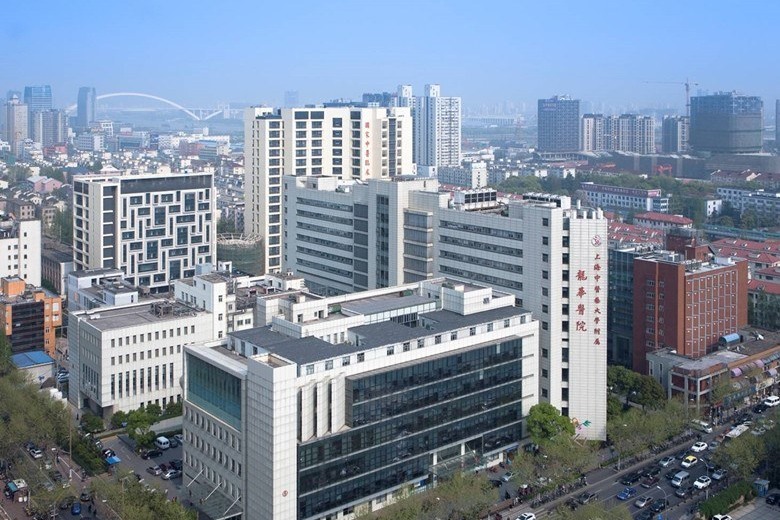
Longhua Hospital Affiliated to Shanghai University of Traditional Chinese Medicine
Longhua Hospital Affiliated to Shanghai University of Traditional Chinese Medicine is a large Class A tertiary traditional Chinese medicine hospital under the administration of Shanghai Municipality. Built with support from Shanghai University of Traditional Chinese Medicine, it has developed a modern healthcare system centered on traditional Chinese medicine diagnosis and treatment, with a strong emphasis on integrating traditional Chinese and Western medicine. The hospital has substantial clinical expertise in orthopedics and traumatology, spleen and stomach disorders, liver disease, kidney disease, cardiovascular disease, oncology, acupuncture and tuina, gynecology, pediatrics, and geriatrics. It emphasizes the inheritance of the experience of renowned senior traditional Chinese medicine practitioners and the integration of modern medical technologies, and can provide multidisciplinary care, traditional Chinese medicine interventions for complex and difficult conditions, postoperative rehabilitation, and chronic disease management. Its technical strengths are reflected in syndrome differentiation and treatment for diseases with distinctive traditional Chinese medicine advantages, integrated acupuncture, tuina, and rehabilitation services, and a systematic approach to integrated traditional Chinese and Western medicine treatment plans.
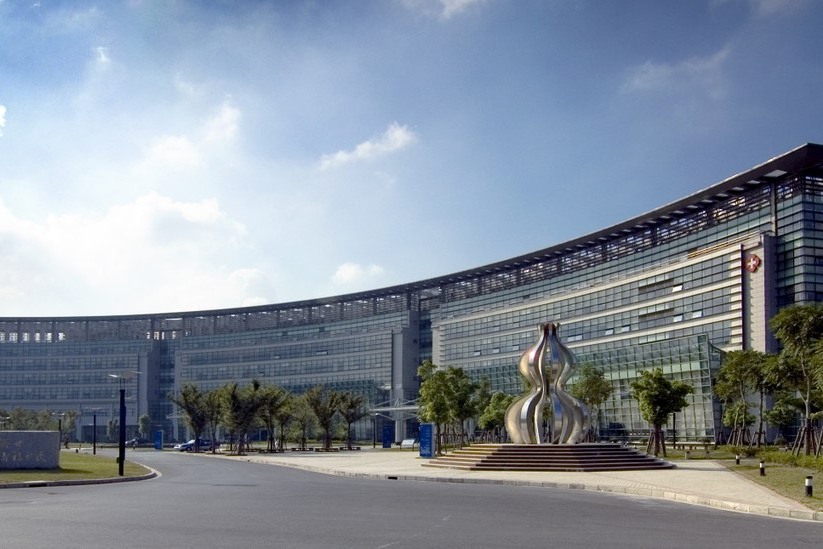
Shuguang Hospital Affiliated to Shanghai University of Traditional Chinese Medicine
Shuguang Hospital Affiliated to Shanghai University of Traditional Chinese Medicine is a representative Class A tertiary hospital of traditional Chinese medicine in Shanghai and one of the national clinical research bases for traditional Chinese medicine. It has developed a comprehensive diagnostic and treatment system with integrated traditional Chinese and Western medicine as a defining feature. The hospital has strong specialty strengths in liver disease, cardiovascular disease, spleen and stomach disorders, kidney disease, cancer rehabilitation, orthopedics and traumatology, acupuncture, and tuina. Supported by the research and talent resources of Shanghai University of Traditional Chinese Medicine, it has clear technical strengths in the inheritance of classical traditional Chinese medicine, management of complex chronic diseases, and coordinated integrated treatment. As a large teaching hospital, it has strong combined capabilities in clinical care, research, and education, and is well recognized within the traditional Chinese medicine system in East China.
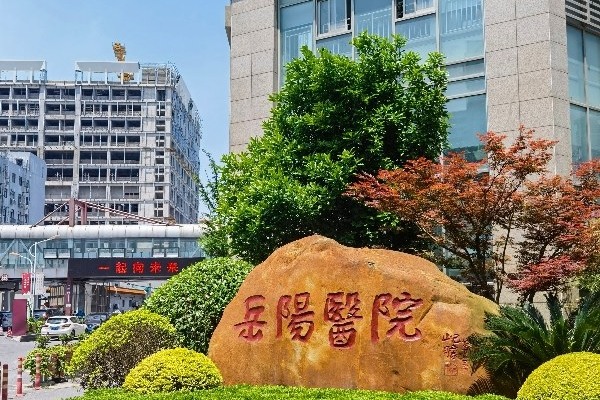
Yueyang Hospital of Integrated Traditional Chinese and Western Medicine, Shanghai University of Traditional Chinese Medicine
Yueyang Hospital of Integrated Traditional Chinese and Western Medicine, Shanghai University of Traditional Chinese Medicine, was established in 1976. It is a National Clinical Research Base of Traditional Chinese Medicine and a Class A tertiary hospital for integrated traditional Chinese and Western medicine, and one of the representative leading hospitals in this field in China. The hospital is known for specialties such as orthopedics and traumatology, acupuncture and tuina, rheumatology and immunology, anorectal care, dermatology, rehabilitation medicine, respiratory diseases, and geriatric medicine, forming an integrated diagnostic and treatment system combining traditional Chinese and Western medicine. Supported by the teaching and research platform of Shanghai University of Traditional Chinese Medicine, the hospital has strong technical capabilities in integrated diagnosis and treatment pathways, acupuncture standardization, minimally invasive bone and trauma repair, functional rehabilitation, and full-course chronic disease management, while combining the features of traditional Chinese medicine with modern medical treatment capabilities. For Chinese patients seeking cross-border care alternatives, the hospital offers relatively high value and local accessibility in traditional Chinese medicine-based rehabilitation, post-operative recovery, chronic disease management, pain treatment, and functional improvement. Compared with similar rehabilitation or pain management services overseas, it typically has shorter appointment lead times and lower overall costs.
Shanghai Municipal Hospital of Traditional Chinese Medicine
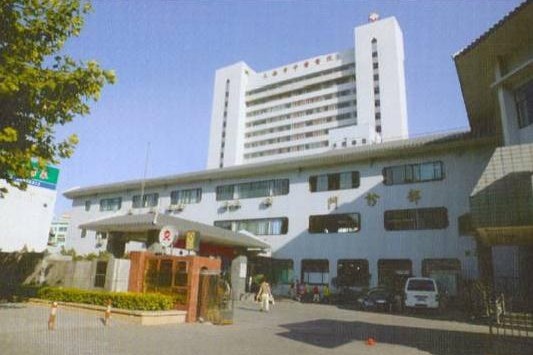
Shanghai Municipal Hospital of Traditional Chinese Medicine is a Class A tertiary traditional Chinese medicine hospital that integrates medical care, teaching, research, prevention, and rehabilitation. Supported by the affiliated hospital system of Shanghai University of Traditional Chinese Medicine, it has strong regional influence in internal medicine in traditional Chinese medicine, spleen and stomach disorders, integrated traditional Chinese and Western medicine for oncology, dermatology, acupuncture and tuina, orthopedics and traumatology, anorectal disorders, preventive treatment, and geriatric disease management. The hospital emphasizes the coordinated development of traditional Chinese medicine specialties and modern medicine, with a relatively comprehensive specialty system and multi-campus service capacity. It has established a stable clinical approach in complex chronic conditions, postoperative rehabilitation, supportive cancer care, and interventions for subhealth conditions. Its core strengths include experienced senior traditional Chinese medicine physicians, distinctive hospital-prepared formulations, comprehensive traditional Chinese medicine treatment plans, and a high-density outpatient service network for patients in Shanghai and the Yangtze River Delta region.
Shanghai Guanghua Hospital of Integrated Traditional Chinese and Western Medicine
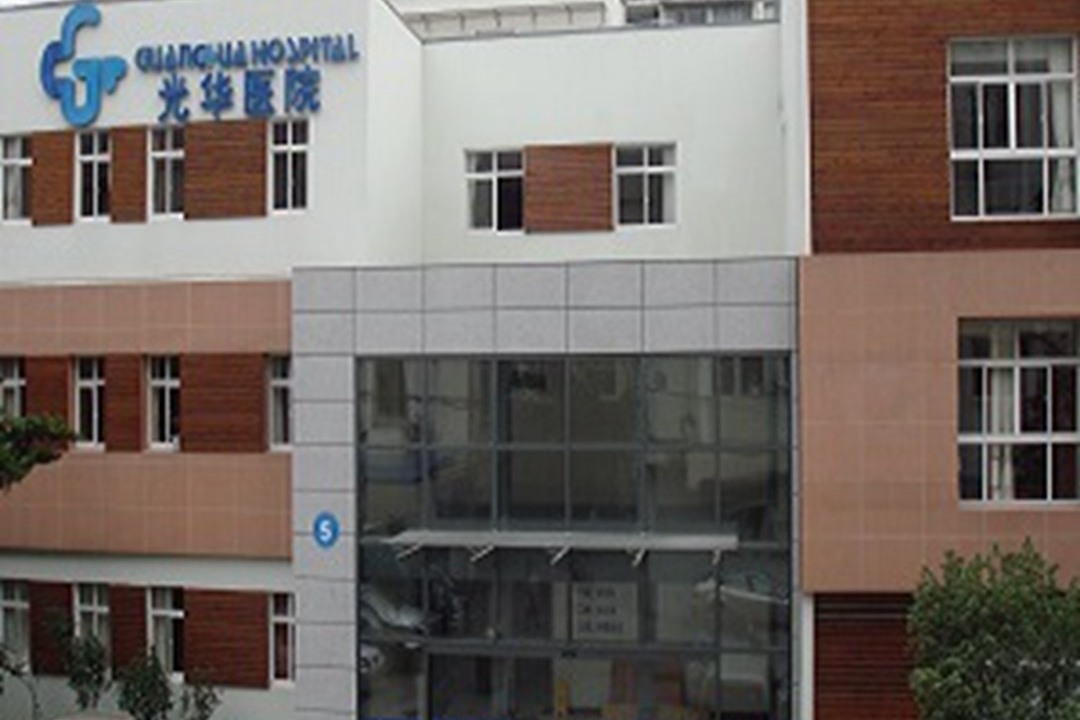
Shanghai Guanghua Hospital of Integrated Traditional Chinese and Western Medicine is a Class A tertiary hospital specializing in orthopedics and traumatology, rheumatic diseases, joint disorders, rehabilitation medicine, and integrated traditional Chinese and Western medicine. It is also an affiliated hospital of Shanghai University of Traditional Chinese Medicine. The hospital has extensive experience in degenerative joint disease, rheumatoid arthritis, ankylosing spondylitis, osteoporosis, neck, shoulder, low back, and leg pain, as well as perioperative rehabilitation, and has developed a care pathway that combines traditional Chinese medicine syndrome differentiation and treatment, precise Western medical assessment, minimally invasive surgery, and systematic rehabilitation. Its main strengths lie in the collaboration between orthopedics and rheumatology/immunology subspecialties, combined Chinese and Western approaches to controlling chronic inflammation and pain, enhanced postoperative recovery, and continuous management of musculoskeletal conditions in older adults. As an important center for integrated orthopedics and rheumatology in Shanghai, the hospital is well recognized by local patients, and is particularly suitable for patients who need long-term follow-up, conservative treatment, and integrated postoperative rehabilitation management.
Eastern Theater Command General Hospital
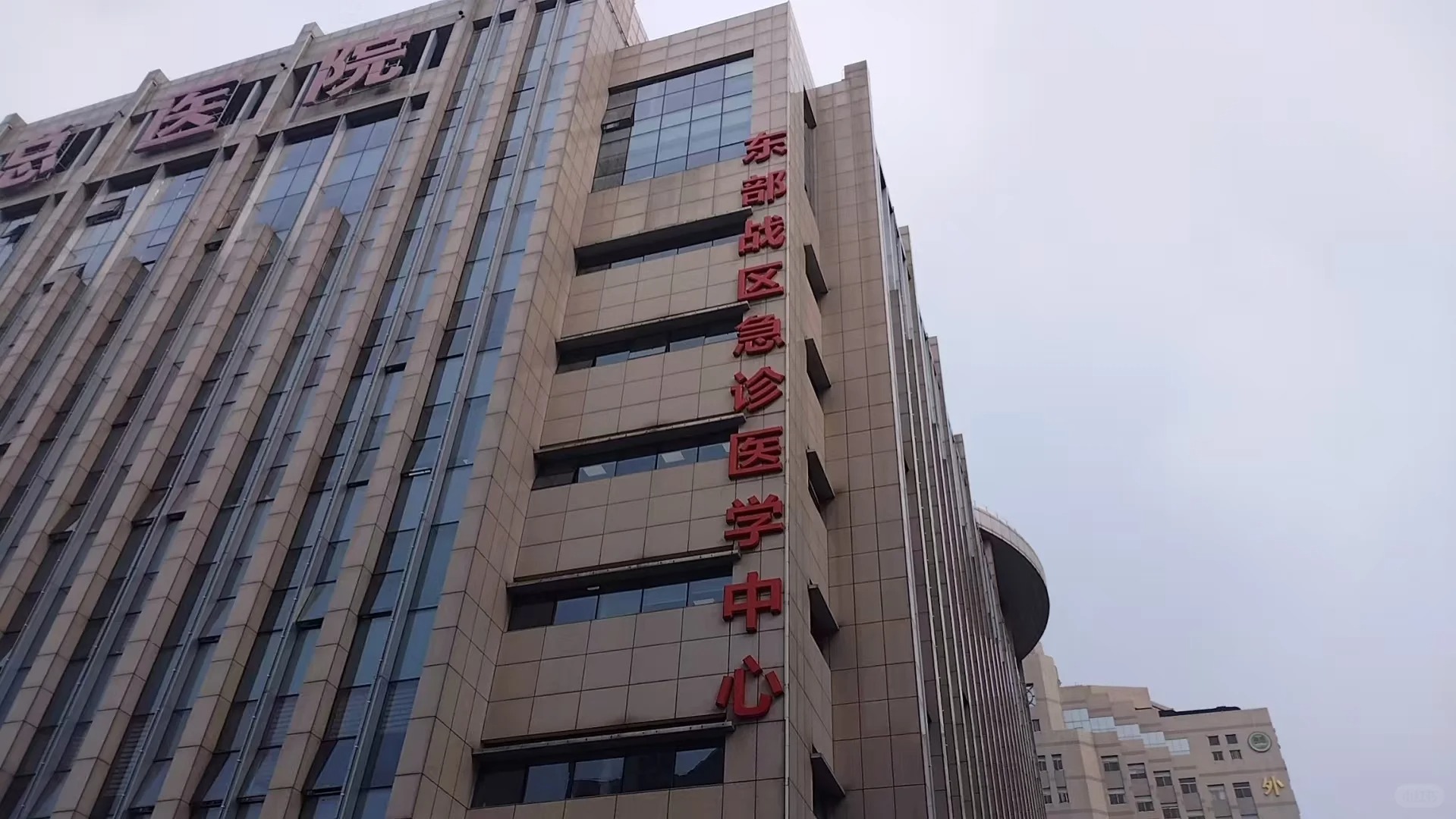
Eastern Theater Command General Hospital (formerly Nanjing General Hospital of Nanjing Military Region) is a large comprehensive Class A tertiary hospital integrating medical care, teaching, research, prevention, and health care. It has long承担 responsibilities in the treatment of complex and critical cases, war and trauma care, organ transplantation, cardiovascular diseases, comprehensive cancer treatment, digestive and respiratory diseases, orthopedics, and spine surgery. The hospital has a complete range of specialties and multiple national-level and military-level key discipline/specialty platforms. It has strong technical capabilities in minimally invasive surgery, critical care medicine, emergency and critical care, precision diagnosis and treatment, and clinical research translation. Supported by its large-scale comprehensive treatment capacity and regional medical center role, the hospital has strong advantages in difficult disease diagnosis and multidisciplinary collaboration in East China.
Jiangsu Provincial People's Hospital
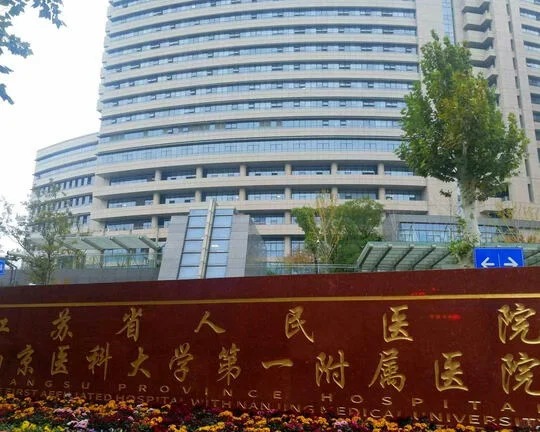
Jiangsu Provincial People's Hospital (The First Affiliated Hospital of Nanjing Medical University, Jiangsu Maternal and Child Health Hospital) is one of the largest general Class A tertiary hospitals in Jiangsu Province, with the most comprehensive range of clinical specialties and strong capabilities in the treatment of complex and critical cases. It has long served as a regional medical center. The hospital focuses on cardiology, cardiovascular and thoracic surgery, organ transplantation, nephrology, gastroenterology, oncology, obstetrics and gynecology, critical care medicine, imaging, and interventional procedures. It has clear strengths in complex surgery, critical care, multidisciplinary team (MDT) care, and referral management for difficult cases within the province. The hospital typically has relatively strong international medical and special care service capabilities and can provide support for cross-border patients with appointment scheduling, interpretation, diagnostic coordination, and inpatient arrangements.
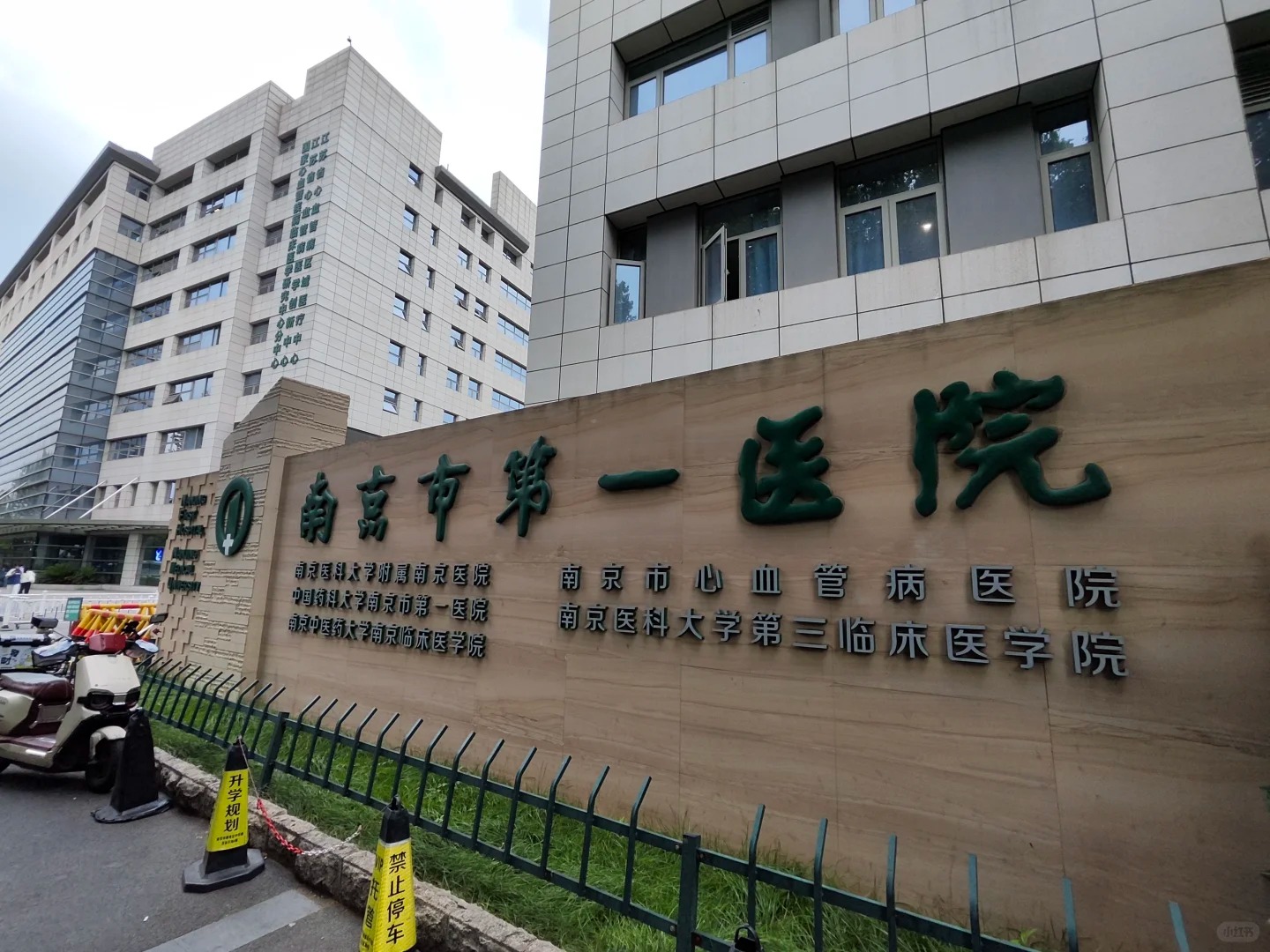
Nanjing First Hospital
Nanjing First Hospital (typically corresponding to the core public hospital within the Nanjing First Hospital / Nanjing First Hospital Group system) is a long-established comprehensive hospital with strong local capacity for managing complex and severe cases. It generally has a solid foundation in cardiology, gastroenterology, oncology, urology, orthopedics, emergency and critical care, and multidisciplinary diagnosis and treatment. Because public reporting, campus changes, and annual report release timing are not fully consistent, core operating indicators such as bed capacity, outpatient volume, and surgical volume should be verified against the hospital's annual report and the latest official disclosures from the competent authorities. In terms of cross-border medical competitiveness, the hospital is better suited to Chinese patients who value cost-effectiveness, faster local referrals, and convenient Chinese-language communication, while it is generally less developed than national-level international medical centers in international patient services, English guidance, cross-border payment, and direct billing with overseas insurers.
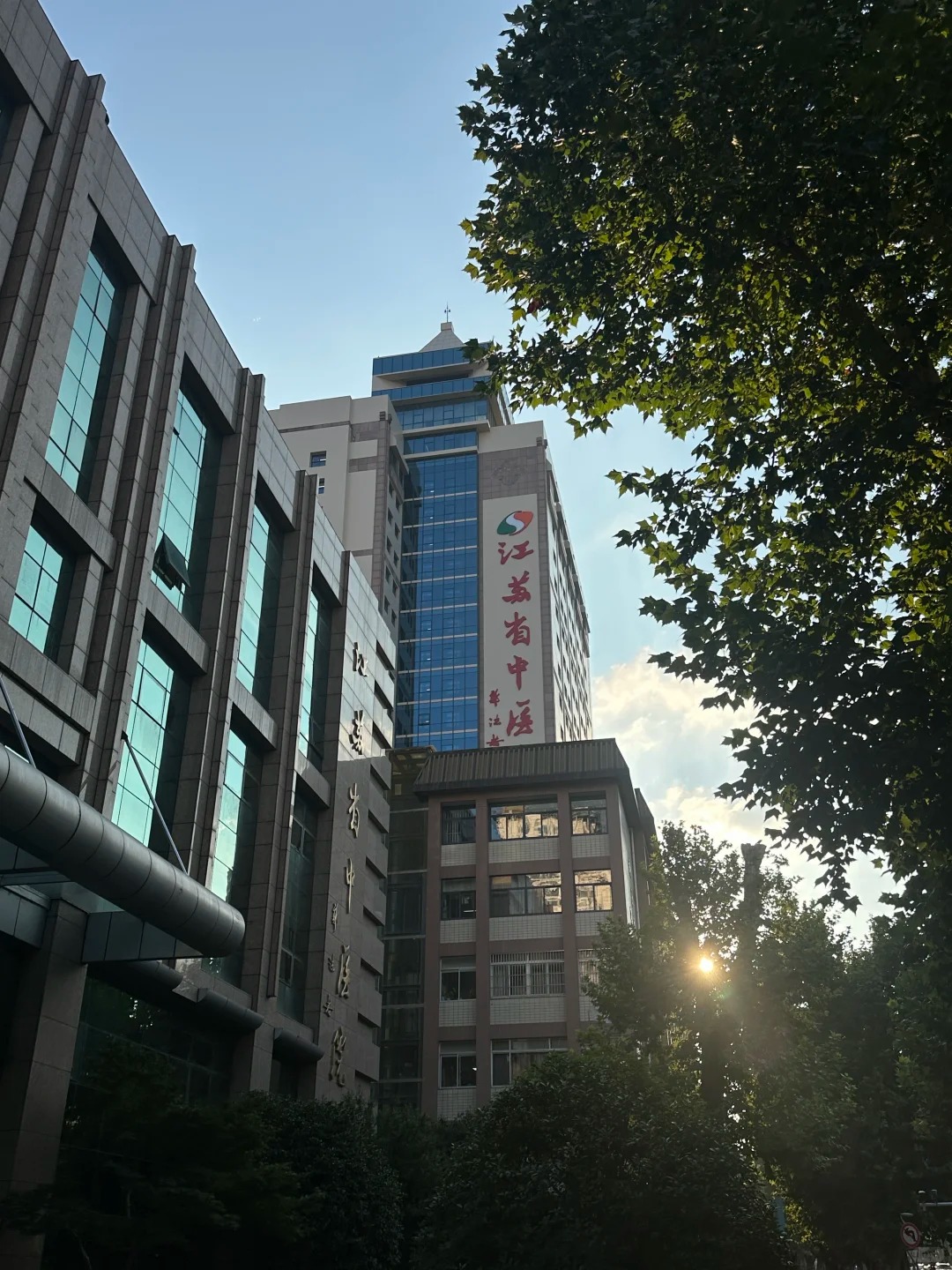
Jiangsu Province Hospital of Traditional Chinese Medicine
Jiangsu Province Hospital of Traditional Chinese Medicine (Affiliated Hospital of Nanjing University of Chinese Medicine) is a core institution for high-level medical care, research, and education in traditional Chinese medicine in Jiangsu Province. It has long been recognized for its strengths in internal medicine of traditional Chinese medicine, spleen and stomach disorders, cardiovascular and cerebrovascular diseases, oncology, nephrology, orthopedics and trauma, acupuncture and tuina, gynecology, and pediatrics. The hospital has developed comprehensive capabilities in integrated traditional Chinese and Western medicine, management of complex and severe conditions, preservation of traditional therapies, and coordinated development with modern medicine. Its technical barriers are mainly reflected in its inheritance system for renowned senior TCM physicians, clusters of key clinical specialties, application of distinctive formulations and classical prescriptions, accumulated expertise in acupuncture rehabilitation and external TCM therapies, as well as its role as a comprehensive regional platform for high-difficulty TCM diagnosis and treatment, education, and research translation.