
Top Hospitals in China
Book top-ranked medical institutions in China. Reference costs, not promises; we add zero markup to your hospital bill.
verified_user Independent patient coordination. Zero hospital markups. Not medical advice.
59 hospitals found
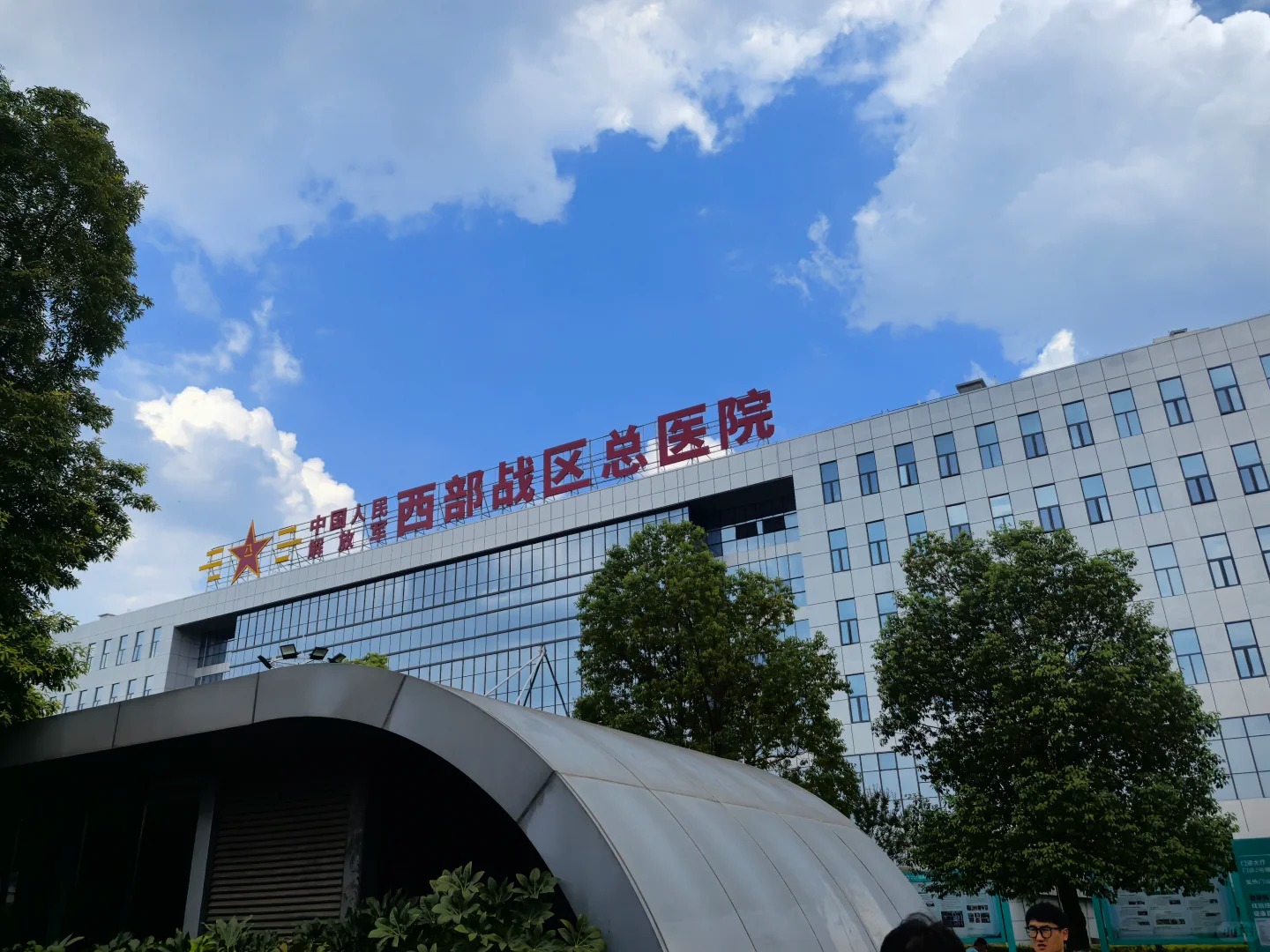
Western Theater General Hospital

Western Theater General Hospital (continuing the former Chengdu Military Region General Hospital system) is a comprehensive hospital in Southwest China with distinct military-hospital characteristics. It generally focuses on trauma care, emergency and critical care, orthopedics, burn and plastic surgery, neurosurgery, and the diagnosis and treatment of cardiovascular and digestive diseases. Its strengths include multidisciplinary coordinated care, management of combat-related trauma and complex critical illnesses, support for complex surgeries, and military medical support tasks. It has strong emergency and comprehensive treatment capabilities. Because the hospital's publicly available English-language international medical information is usually limited, its advantages for cross-border care are reflected more in its comprehensive capabilities and green-channel efficiency for domestic patients seeking care in the region, rather than in a mature international medical center system.
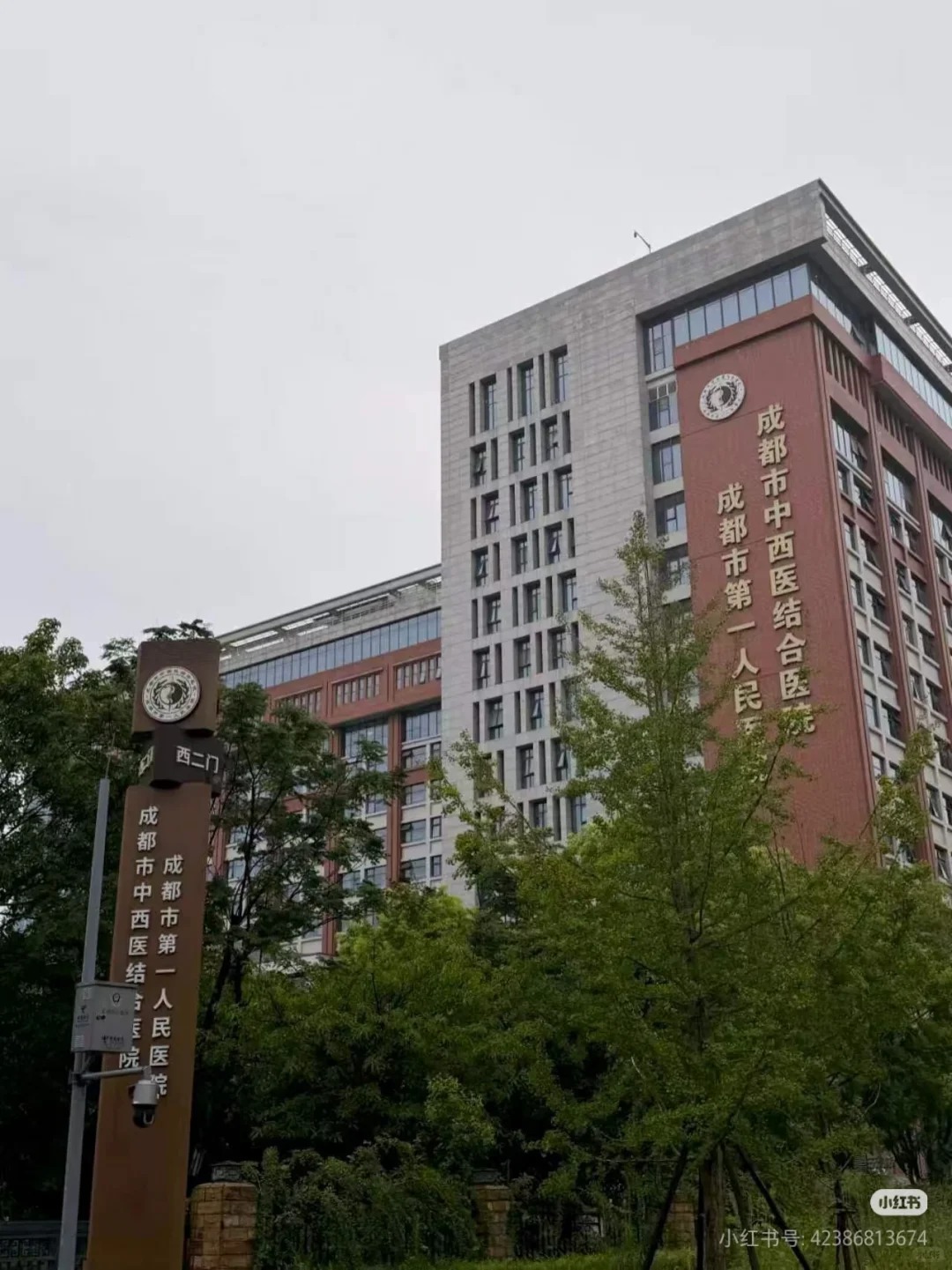
Chengdu First People's Hospital
Chengdu First People's Hospital was founded in 1896 and is one of Chengdu's long-established public Class A tertiary hospitals with strong overall clinical capabilities. The hospital has a solid specialty foundation in emergency and critical care, cardiovascular and cerebrovascular diseases, digestive diseases, orthopedics and minimally invasive surgery, geriatric medicine, and integrated oncology diagnosis and treatment. It continues to advance multidisciplinary care, same-day surgery, minimally invasive techniques, precision diagnosis and treatment, and smart hospital development. As one of the regional medical centers, its strengths include managing a large volume of complex and difficult cases, with relatively well-developed clinical pathways, emergency care systems, and comprehensive referral capabilities.
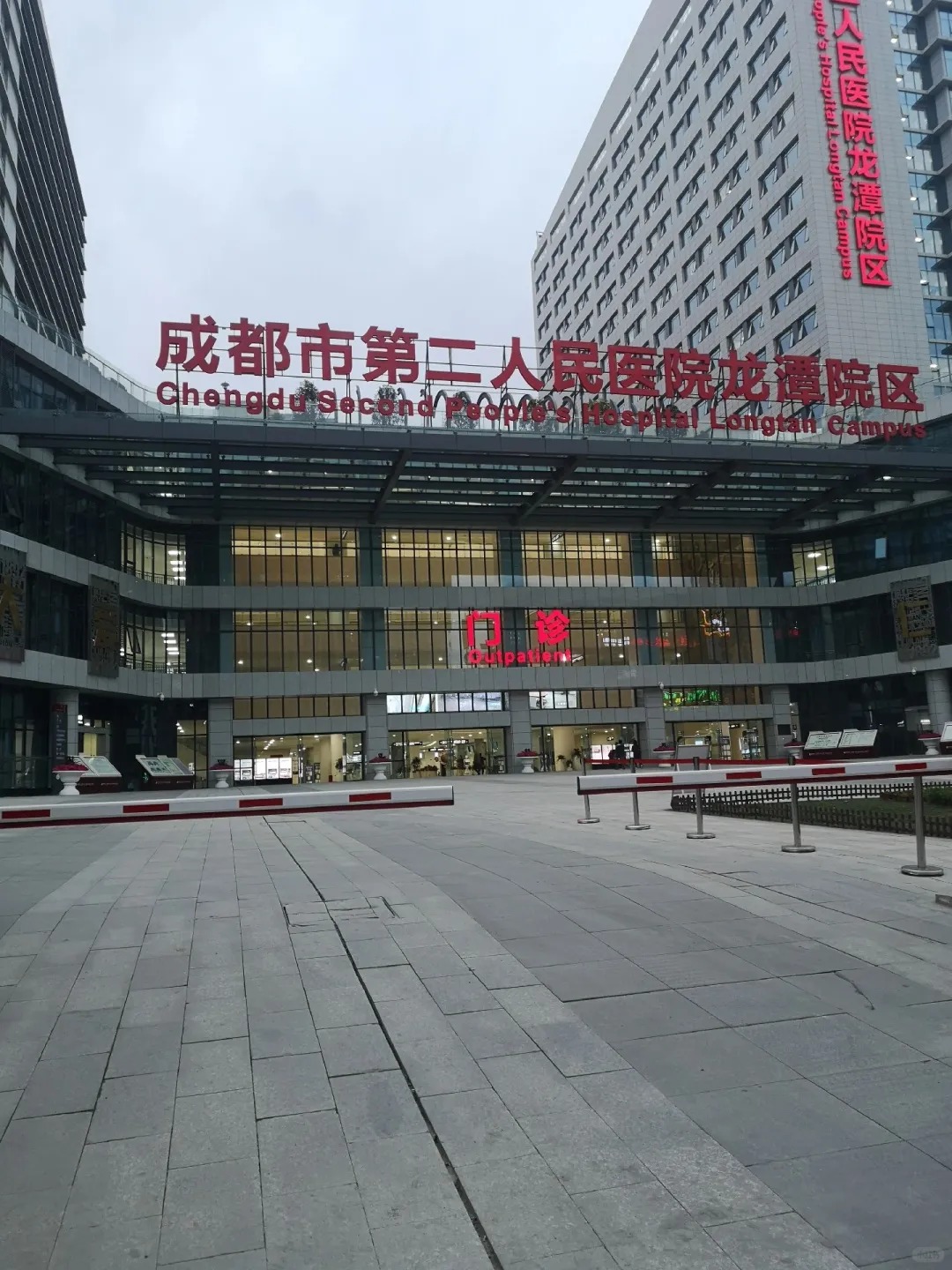
Chengdu Second People's Hospital
Chengdu Second People's Hospital is a long-established general hospital with strong clinical diagnosis and treatment capabilities, as well as regional medical service capacity. Because current online verification of the latest official public data is not available, the hospital's specialty strengths, technical capabilities, and operational indicators can only be conservatively entered as known historical information and items requiring verification. From the perspective of regional healthcare supply, it typically provides diagnosis and treatment for common and frequently occurring conditions, as well as some complex and severe cases. In specialty development, public Class A tertiary hospitals generally build comprehensive collaborative capabilities around emergency care, internal medicine, surgery, obstetrics and gynecology, pediatrics, critical care medicine, imaging, and laboratory testing. In terms of international competitiveness, if there is no publicly available information confirming an international medical center or multilingual outpatient services, it is more suitable for local and nearby patients rather than as a primary option for cross-border high-end medical care.
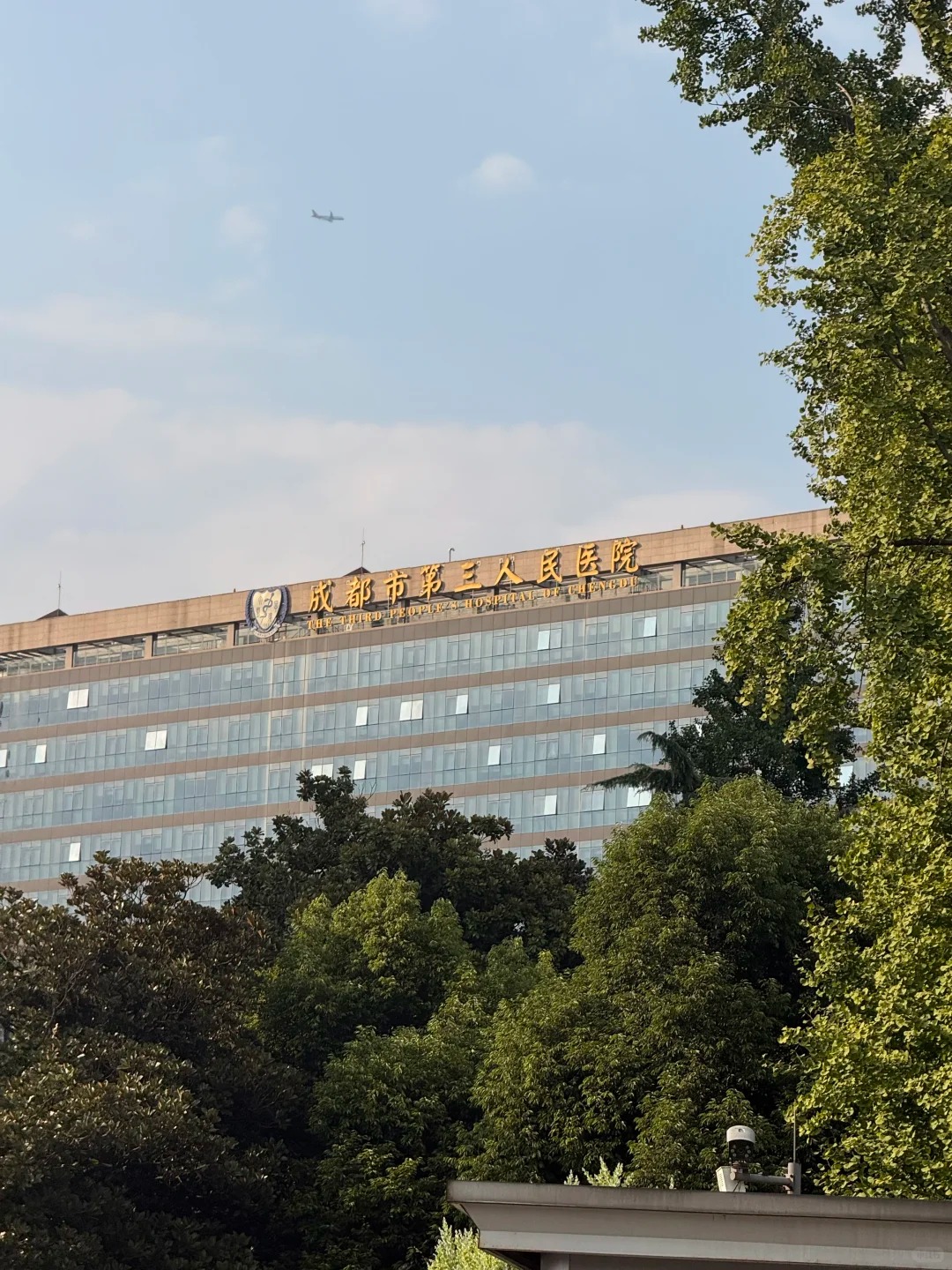
Chengdu Third People's Hospital
Chengdu Third People's Hospital is an important Class A tertiary general hospital in Chengdu. Its long-standing core strengths are in cardiovascular medicine, respiratory medicine, gastroenterology, urology, orthopedics, oncology-related care, and the treatment of acute and critical conditions, with strong multidisciplinary collaborative care capabilities. Within the public hospital system, it is known for comprehensive treatment, regional referral acceptance, and the management of complex and severe cases. It has well-developed capabilities in internal medicine, surgery, interventional procedures, minimally invasive treatment, and geriatric chronic disease management. Its technical strengths are mainly reflected in high-volume emergency care, MDT management of complex cases, minimally invasive surgery, and regional medical collaboration networks.
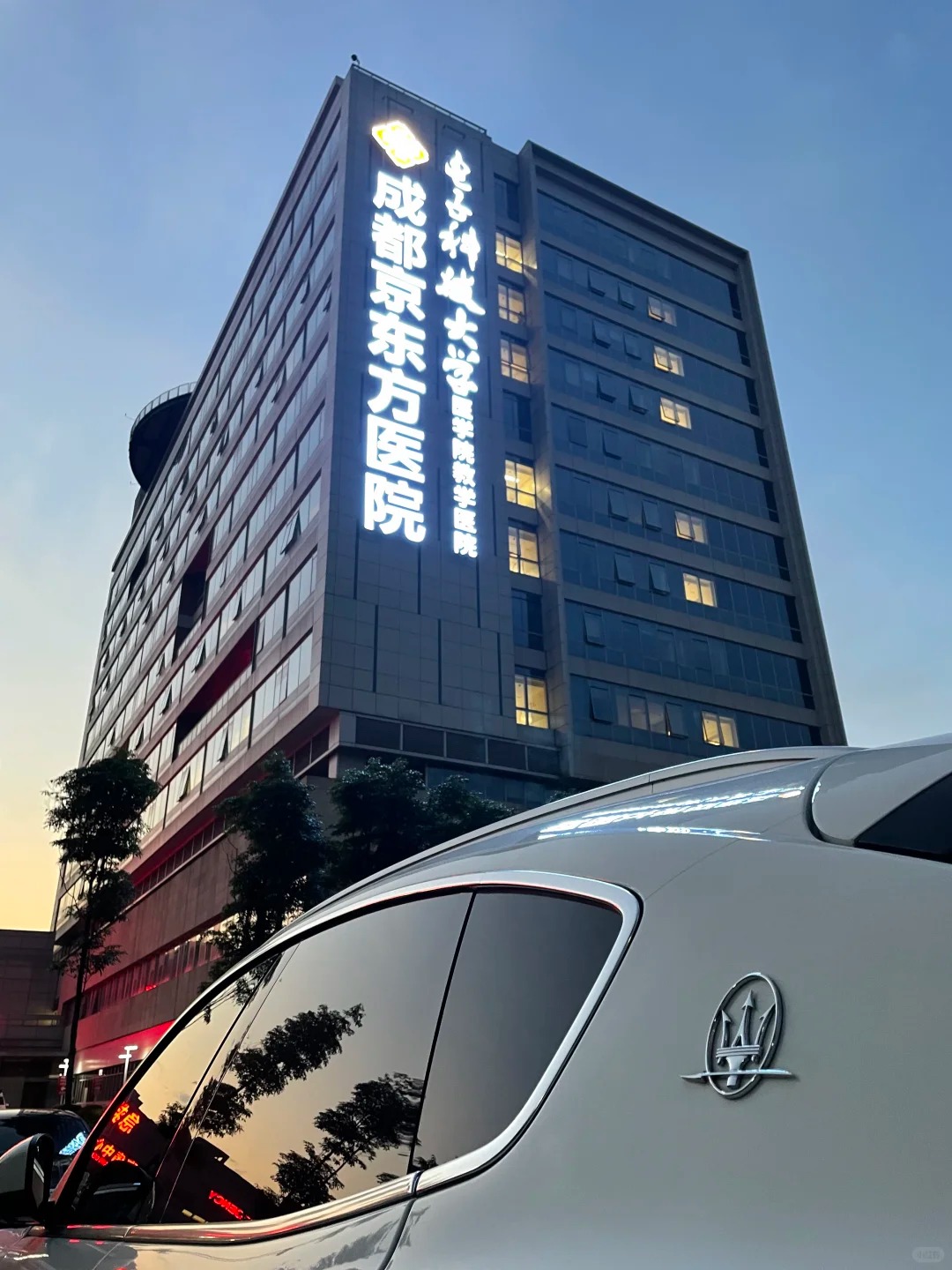
Chengdu BOE Hospital
Chengdu BOE Hospital is an important, high-level medical project in BOE Technology Group’s strategy for Southwest China, positioned as a modern comprehensive hospital integrating clinical care, health management, research and education, and smart hospital services. Because real-time external verification is currently unavailable in this round, it is not possible to reliably confirm its latest specialty structure, core technical capabilities, or key operational indicators such as outpatient, emergency, and surgical scale. If it will be used for serious decision-making, further verification through the hospital’s official website, publicly released information from the health commission, procurement records, and annual reports is recommended.
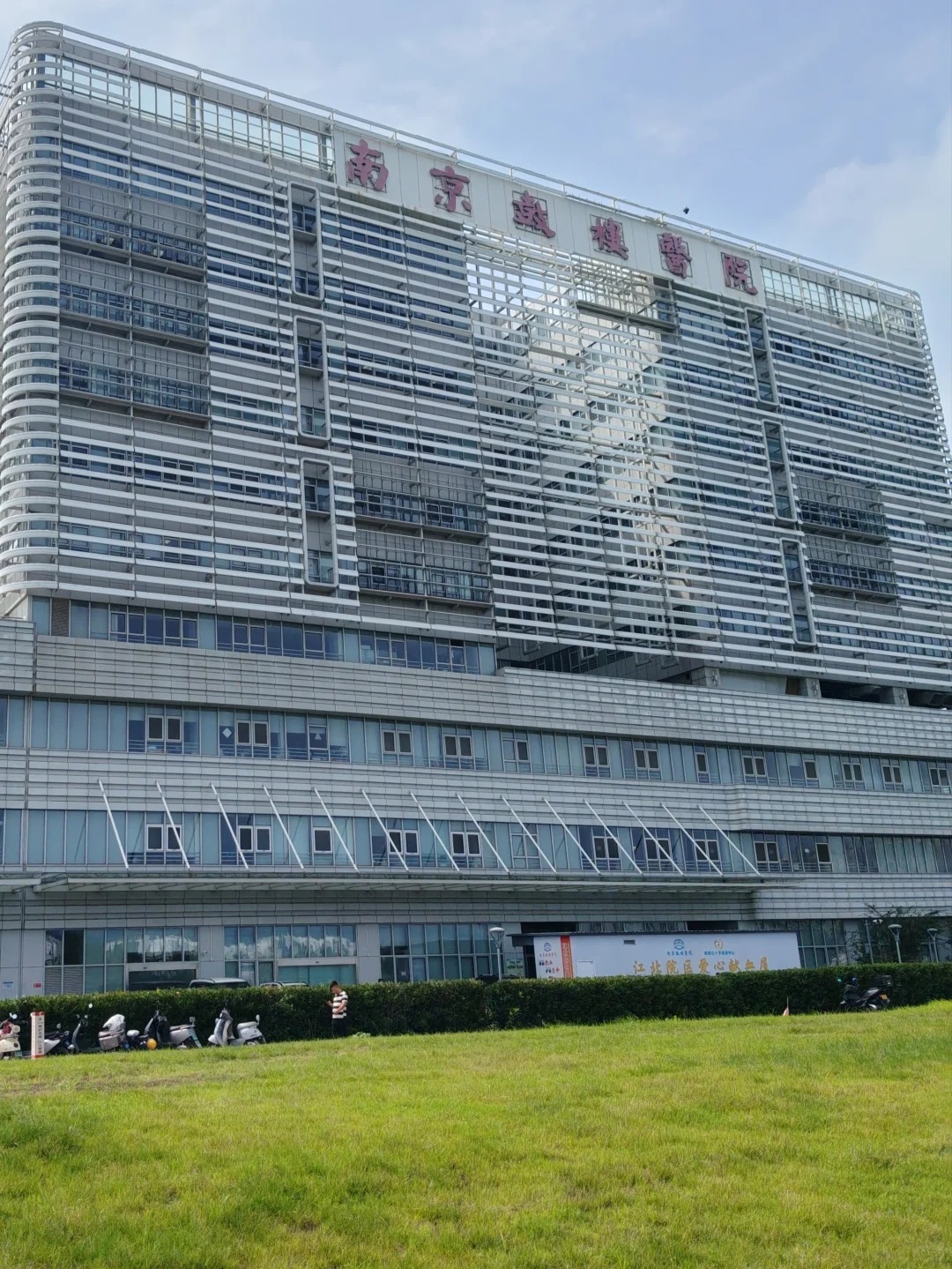
Nanjing Gulou Hospital
Nanjing Gulou Hospital (Affiliated Gulou Hospital of Nanjing University Medical School) was founded in 1892 and is one of the earliest Western-style hospitals established in China. It has long ranked among the country's leading large general Class A tertiary hospitals. The hospital is particularly strong in critical care medicine, cardiovascular medicine, respiratory and critical care medicine, gastroenterology, orthopedics, urology, obstetrics and gynecology, pediatrics, neurosurgery, and integrated cancer diagnosis and treatment. It has comprehensive capabilities in multidisciplinary care, treatment of complex and severe cases, minimally invasive and robotic surgery, and organ support and transplantation-related care. As a large teaching and research hospital, its strengths lie not only in high-volume clinical services, but also in well-developed subspecialty division, a mature MDT system, strong research translation capability, and multilingual services plus support from its International Medical Center for international patients.

Peking University People's Hospital
Founded in 1918, Peking University People's Hospital is the first comprehensive Western medicine hospital funded, built, and managed by Chinese citizens. As a hospital directly under the National Health Commission and an affiliated hospital of Peking University, it houses multiple national-level strategic platforms, including the National Clinical Research Center for Hematologic Diseases. Its Institute of Hematology is the largest single-center hematopoietic stem cell transplantation facility globally. It pioneered the "Beijing Protocol" for bone marrow transplantation, addressing the global challenge of haploidentical hematopoietic stem cell transplantation. The hospital holds a leading position internationally in fields such as critical care medicine, orthopedics, trauma care, and thoracic surgery, and is committed to providing advanced diagnostic and treatment technologies to patients worldwide.
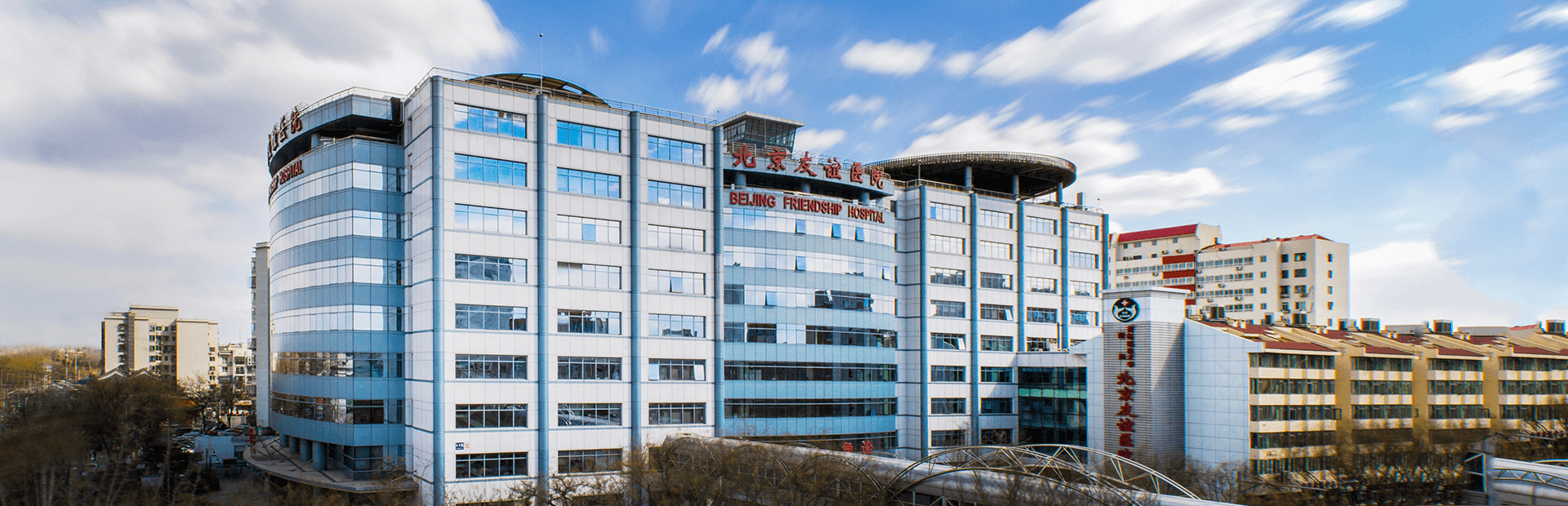
Beijing Friendship Hospital, Capital Medical University
Founded in 1952 as the Soviet Red Cross Hospital, Beijing Friendship Hospital was the first large-scale comprehensive hospital established in Beijing after the founding of the People's Republic of China. It is currently a Class A tertiary comprehensive hospital and one of the largest municipal hospitals in Beijing, operating two campuses in Xicheng and Tongzhou. Its departments of Gastroenterology, Hepatology, and General Surgery are National Key Clinical Specialties. The hospital holds a leading international position in fields such as digestive endoscopy diagnosis and treatment, liver transplantation, and chronic liver disease prevention. As the National Clinical Research Center for Digestive Diseases, the hospital undertakes national-level research and clinical tasks for major diseases, maintaining a high reputation both domestically and internationally for its academic foundation and advanced clinical technologies.

Beijing Rehabilitation Hospital
Founded in 1955, Beijing Rehabilitation Hospital, Capital Medical University, is a public tertiary rehabilitation hospital integrating clinical care, education, and research. The hospital features a comprehensive range of rehabilitation subspecialties, including centers for neurological, orthopedic, cardiac, and respiratory rehabilitation. It is equipped with over 3,000 advanced rehabilitation devices, such as international-standard lower limb rehabilitation robots and 3D gait analysis systems. As a national-level demonstration platform for occupational injury rehabilitation, its multidisciplinary integrated model of 'comprehensive rehabilitation supported by strong general medicine' maintains significant technical expertise in China, particularly in critical care rehabilitation and early bedside rehabilitation intervention.