
Top Hospitals in China
Book top-ranked medical institutions in China. Reference costs, not promises; we add zero markup to your hospital bill.
verified_user Independent patient coordination. Zero hospital markups. Not medical advice.
62 hospitals found
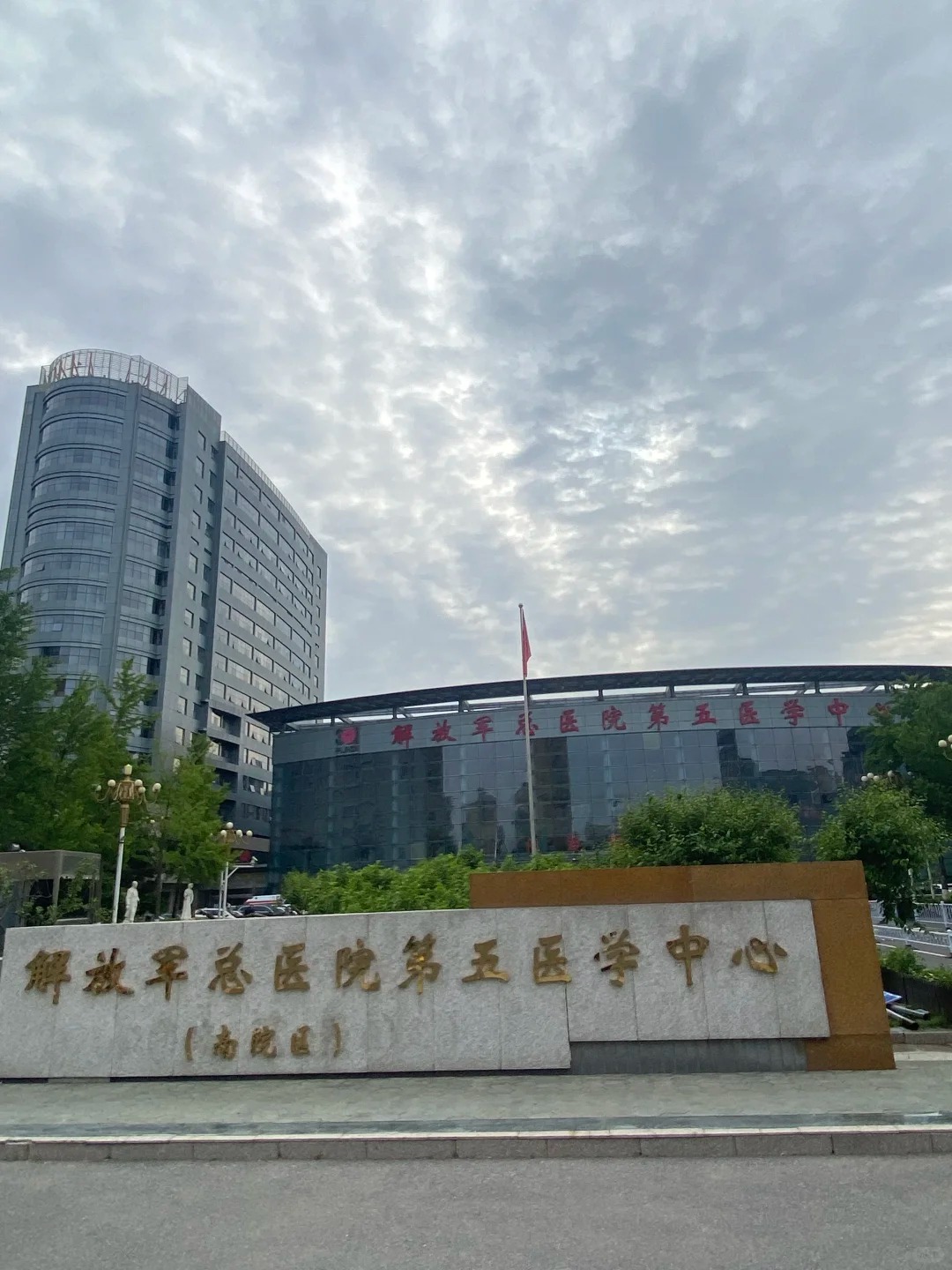
Fifth Medical Center of the PLA General Hospital

The Fifth Medical Center of the Chinese People's Liberation Army (PLA) General Hospital was established in 2018 through the merger of the former 302nd Hospital (the largest infectious disease specialty hospital in China) and the former 307th Hospital (the PLA Center for Radiation Treatment and Oncology). The center holds a prominent international academic standing and possesses core technical expertise in the prevention and treatment of major infectious diseases (such as liver disease, tuberculosis, and HIV/AIDS), comprehensive targeted tumor therapy, hematopoietic stem cell transplantation, and the treatment of radiation sickness. It is a modern, research-oriented medical center integrating clinical care, education, and scientific research.
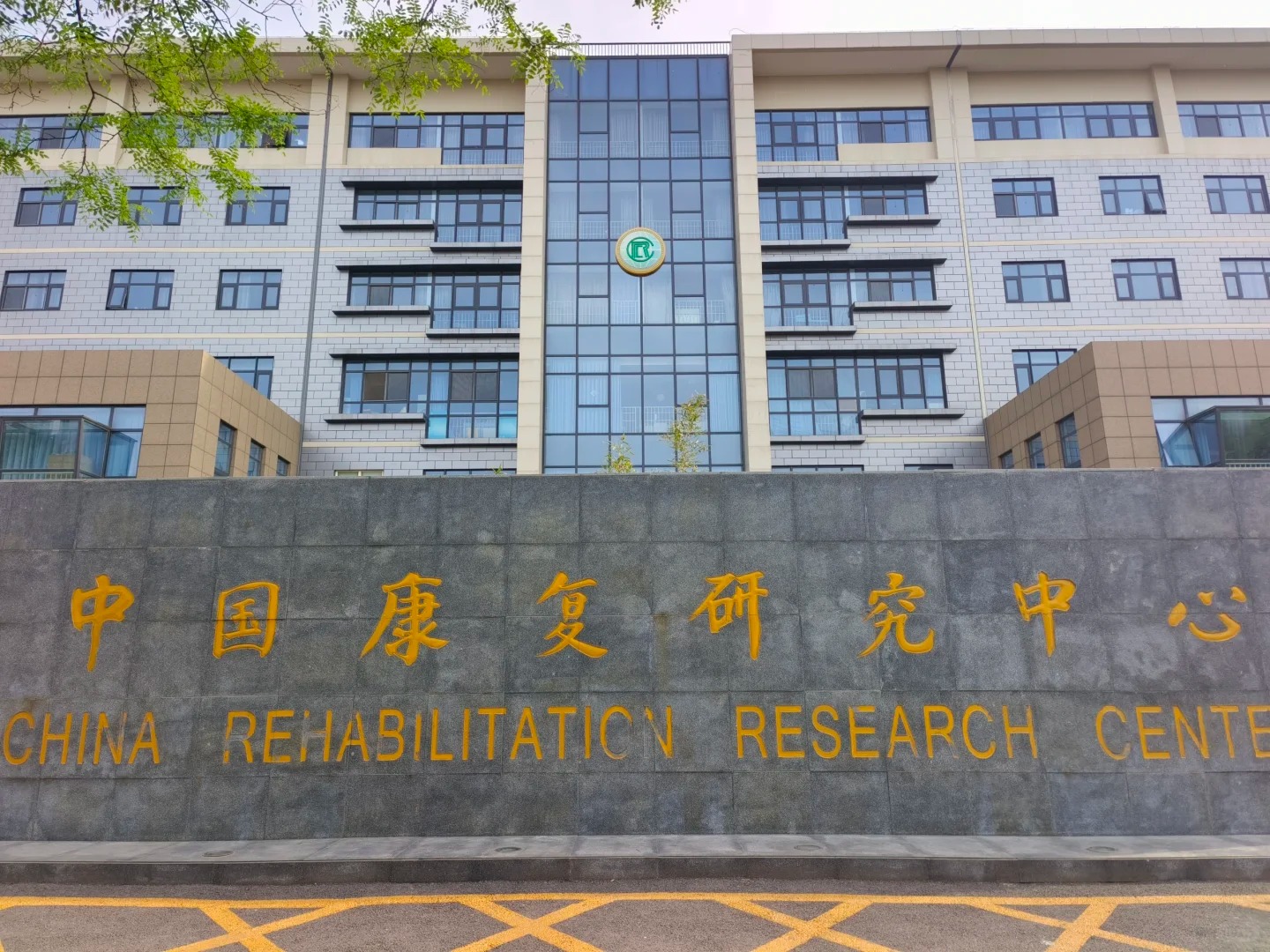
China Rehabilitation Research Center (Beijing Bo'ai Hospital)
Established in 1988, the China Rehabilitation Research Center (Beijing Bo'ai Hospital) is the nation's largest and most comprehensive Class A tertiary rehabilitation medical institution. Integrating clinical rehabilitation, scientific research, education, and engineering, the center maintains significant technical expertise and international influence in spinal cord injury rehabilitation, cerebrovascular disease rehabilitation, amputation and osteoarticular rehabilitation, and pediatric rehabilitation. As the National Medical Quality Control Center for Rehabilitation Medicine, it leads the development of rehabilitation standards in China. Utilizing a multidisciplinary team (MDT) approach and advanced robotic-assisted rehabilitation equipment, the center provides customized, lifelong rehabilitation programs for patients with severe and complex disabilities, earning a distinguished reputation among international patients seeking intensive rehabilitation.
Beijing Xiaotangshan Hospital
Established in 1958, Beijing Xiaotangshan Hospital (Beijing Rehabilitation Center) is a tertiary general medical institution specializing in rehabilitation medicine, health management, and public health emergency response. The hospital gained international recognition as a national anti-epidemic stronghold during major public health emergencies in 2003 and 2020. In its daily operations, it maintains high professional and technical standards, holding a leading national position in neurological rehabilitation, musculoskeletal rehabilitation, cardiopulmonary rehabilitation, and high-end health management. It features a unique rehabilitation system utilizing natural geothermal hot spring hydrotherapy.
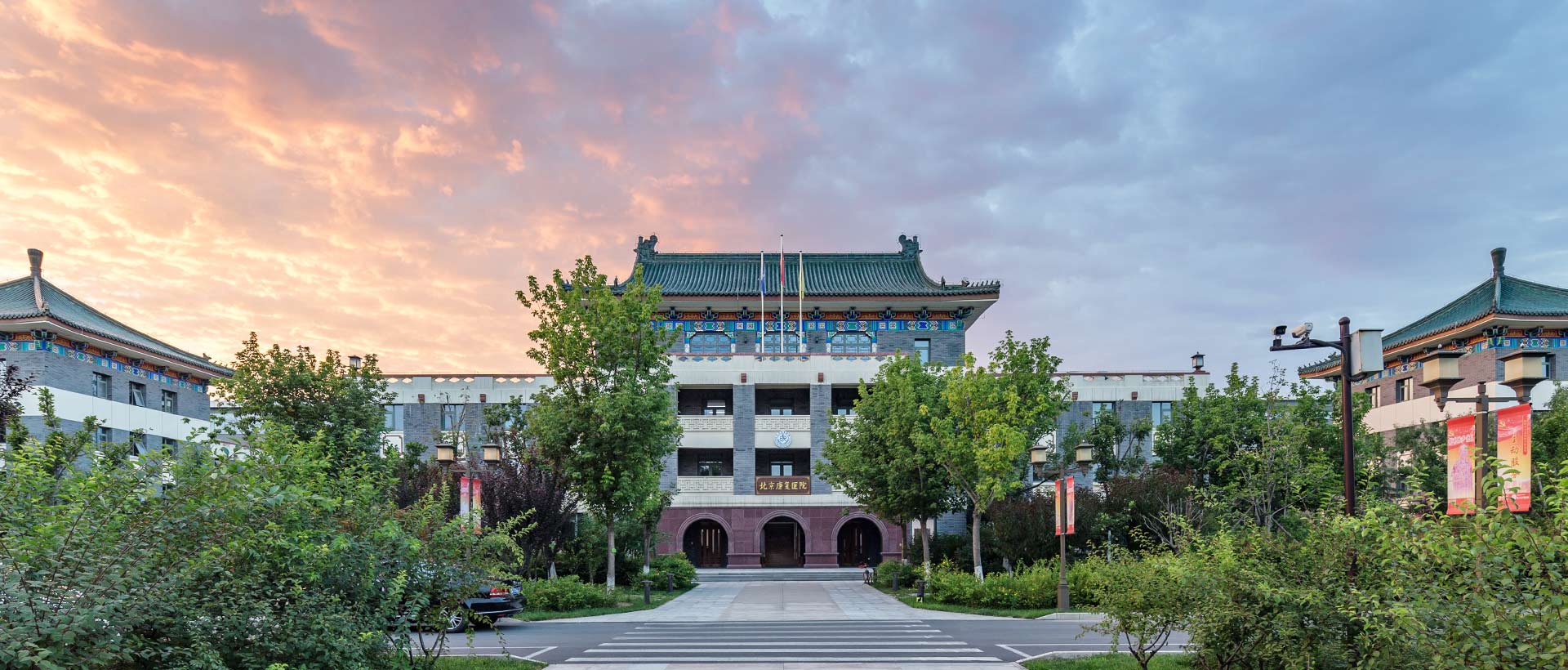
Beijing Rehabilitation Hospital
Founded in 1955, Beijing Rehabilitation Hospital, Capital Medical University, is a public tertiary rehabilitation hospital integrating clinical care, education, and research. The hospital features a comprehensive range of rehabilitation subspecialties, including centers for neurological, orthopedic, cardiac, and respiratory rehabilitation. It is equipped with over 3,000 advanced rehabilitation devices, such as international-standard lower limb rehabilitation robots and 3D gait analysis systems. As a national-level demonstration platform for occupational injury rehabilitation, its multidisciplinary integrated model of 'comprehensive rehabilitation supported by strong general medicine' maintains significant technical expertise in China, particularly in critical care rehabilitation and early bedside rehabilitation intervention.
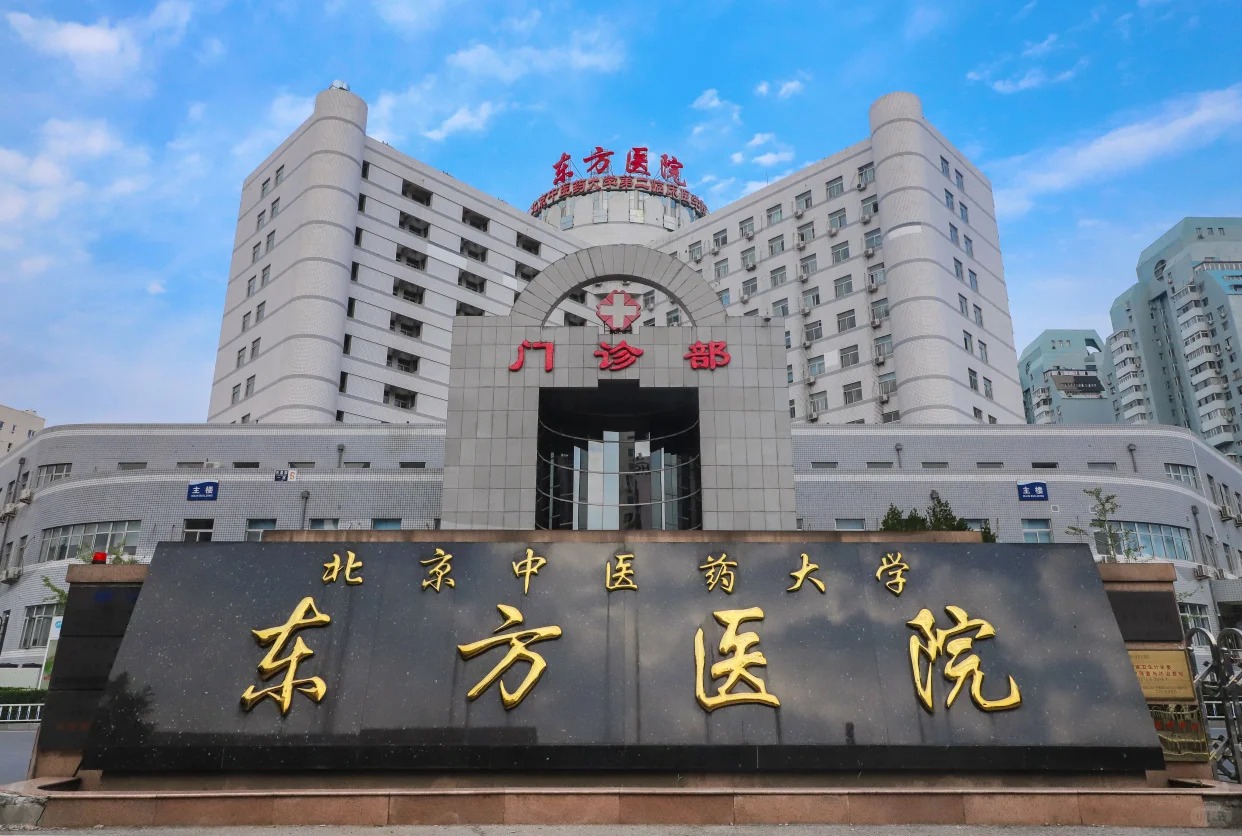
Dongfang Hospital, Beijing University of Chinese Medicine
Established in 1999, Dongfang Hospital of Beijing University of Chinese Medicine is a Class A tertiary hospital integrating medical care, education, research, prevention, and health consultation. As a direct affiliate of the National Administration of Traditional Chinese Medicine and the Second Clinical Medical School of Beijing University of Chinese Medicine, the hospital maintains a leading academic and technical position in encephalopathy, cardiovascular diseases, respiratory medicine, gynecology, and reproductive endocrinology. For international and cross-border patients, the hospital has established special needs clinics and international medical service systems. It offers unique competitiveness in international TCM rehabilitation and the treatment of complex diseases through cost-effective integrated Chinese and Western medicine protocols, significantly reduced waiting times, and personalized rehabilitation systems.
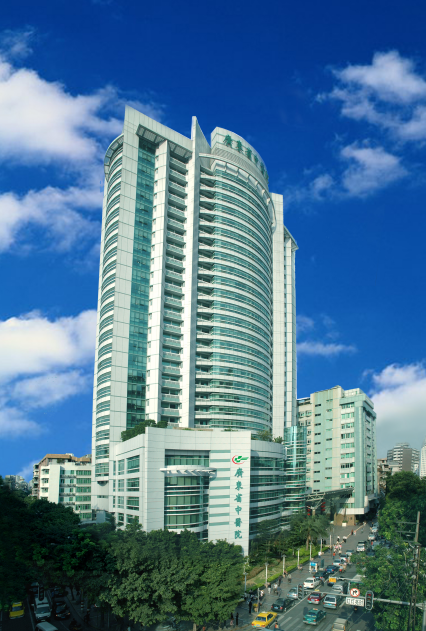
Guangdong Provincial Hospital of Traditional Chinese Medicine
Founded in 1933, Guangdong Provincial Hospital of Traditional Chinese Medicine (The Second Affiliated Hospital of Guangzhou University of Chinese Medicine) is one of the oldest and largest TCM institutions in China. It has consistently ranked first on the 'National TCM Hospital Competitiveness List' for 10 consecutive years. The hospital features a distinguished team of experts, including members of the Chinese Academy of Engineering and Masters of Traditional Chinese Medicine. It serves as a national clinical research base for TCM and hosts multiple national-level key specialties. The hospital is recognized for its integrated Chinese and Western medicine approach in critical care, cardiovascular diseases, encephalopathy, and oncology. Its laboratory was the first in China to receive ISO 15189 accreditation.
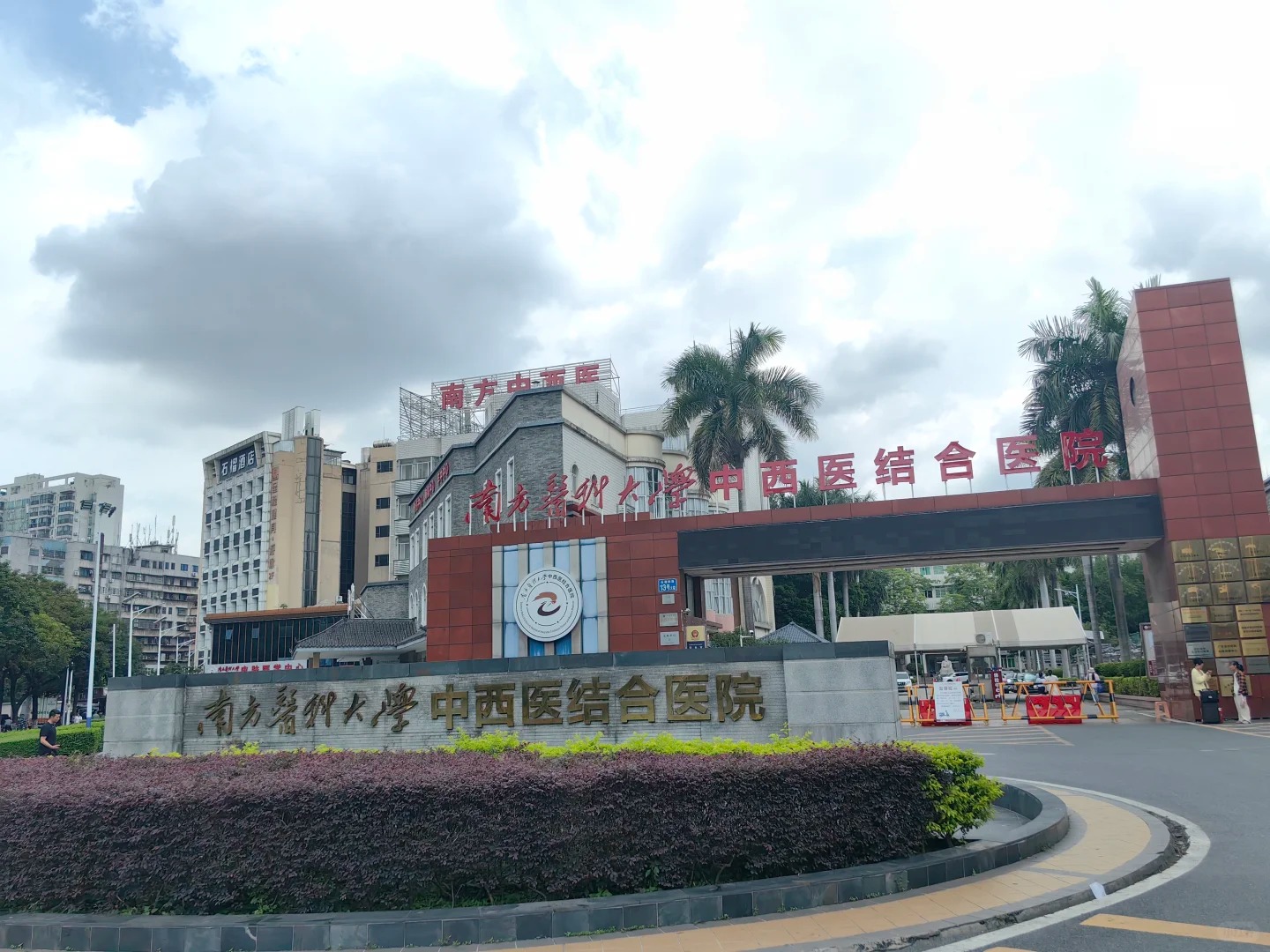
Southern Medical University Integrated Chinese and Western Medicine Hospital
Established in 2006, Southern Medical University Integrated Chinese and Western Medicine Hospital (The Fourth Affiliated Hospital of Southern Medical University) is the only directly affiliated hospital of a medical university co-constructed by the Ministry, Commission, and Province in Guangdong. It is a Class A tertiary integrated hospital combining medical care, teaching, research, prevention, healthcare, and rehabilitation, characterized by a foundation in Western medicine, the distinct features of Traditional Chinese Medicine (TCM), and the advantages of integrated Chinese and Western medicine. Located in the central Haizhu District of Guangzhou, the hospital hosts a national key clinical discipline in Integrated Chinese and Western Medicine and a key discipline cluster under the National Administration of Traditional Chinese Medicine. The hospital features the 'He Garden' Special Medical Service Center, providing high-end customized medical services for domestic and international patients.
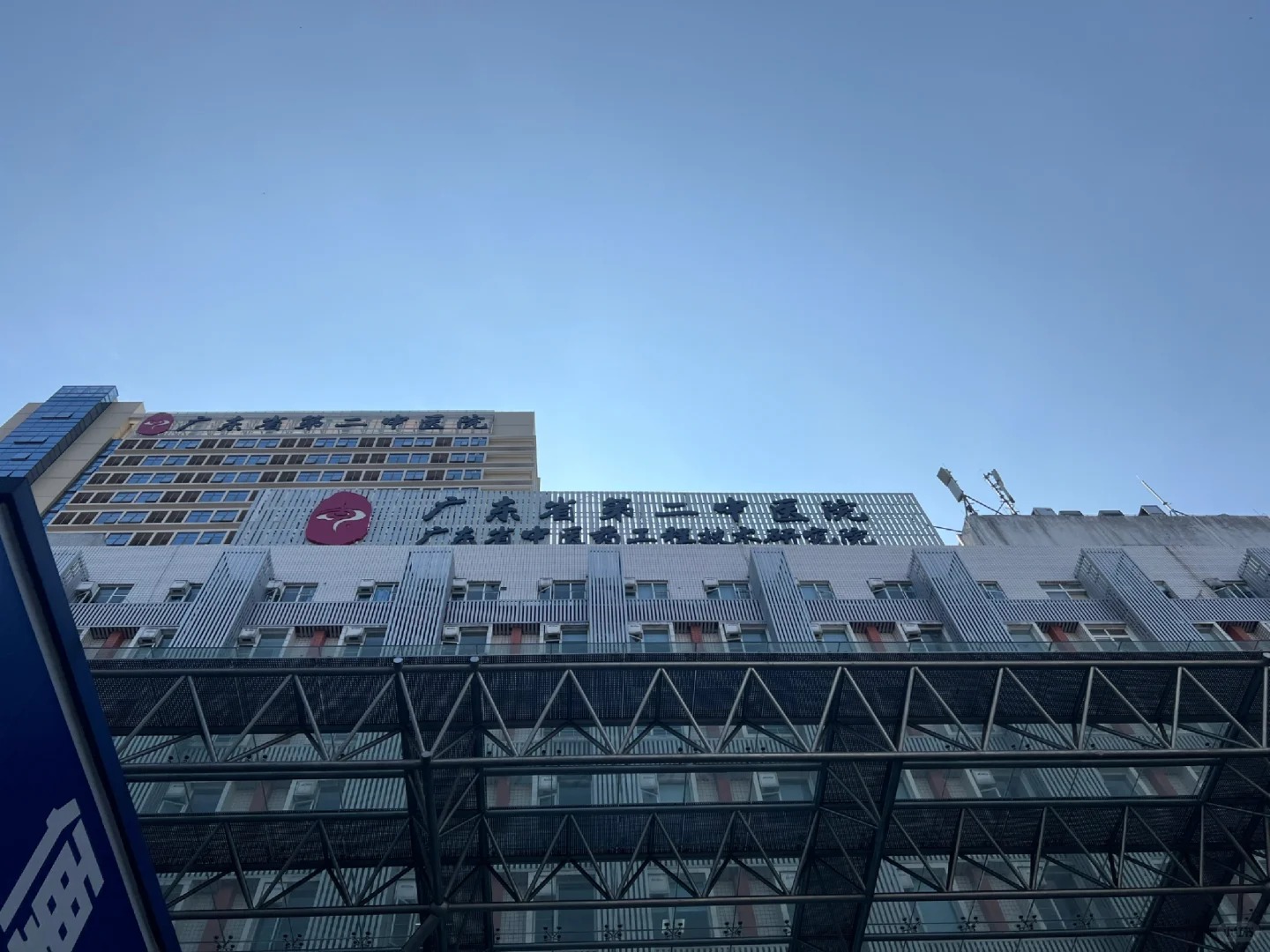
Guangdong Second Traditional Chinese Medicine Hospital
Guangdong Second Traditional Chinese Medicine Hospital (Guangdong Institute of Traditional Chinese Medicine Engineering Technology) is a comprehensive Class A tertiary hospital of Traditional Chinese Medicine (TCM) integrating medical care, scientific research, education, rehabilitation, and preventive healthcare. The hospital features 7 national key clinical specialties, including Cardiology, Encephalopathy, Orthopedics and Traumatology, and Oncology, along with several provincial key specialties such as Gastroenterology, Respiratory Medicine, and Endocrinology. It maintains international leadership in the research and development of TCM granulated formulas and houses a national key laboratory. As an affiliated hospital of Guangzhou University of Chinese Medicine, it possesses unique clinical expertise in acupuncture rehabilitation and stroke treatment.
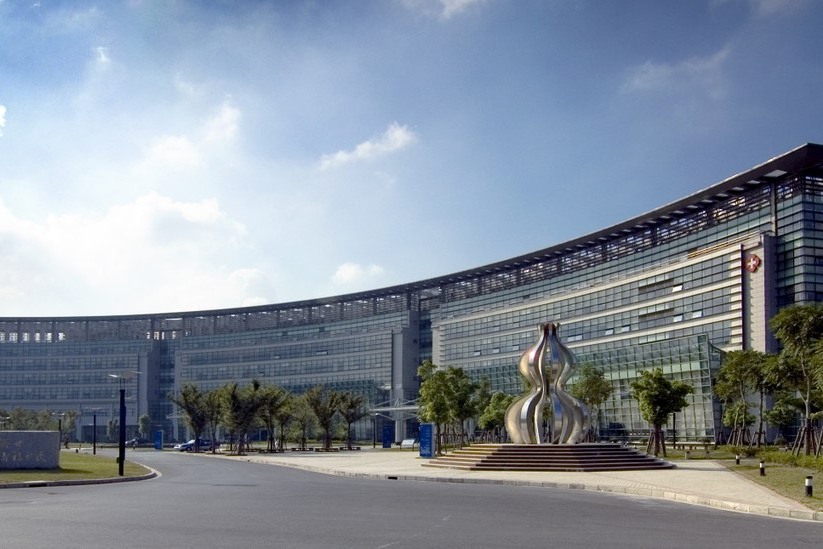
Shuguang Hospital Affiliated to Shanghai University of Traditional Chinese Medicine
Shuguang Hospital Affiliated to Shanghai University of Traditional Chinese Medicine is a representative Class A tertiary hospital of traditional Chinese medicine in Shanghai and one of the national clinical research bases for traditional Chinese medicine. It has developed a comprehensive diagnostic and treatment system with integrated traditional Chinese and Western medicine as a defining feature. The hospital has strong specialty strengths in liver disease, cardiovascular disease, spleen and stomach disorders, kidney disease, cancer rehabilitation, orthopedics and traumatology, acupuncture, and tuina. Supported by the research and talent resources of Shanghai University of Traditional Chinese Medicine, it has clear technical strengths in the inheritance of classical traditional Chinese medicine, management of complex chronic diseases, and coordinated integrated treatment. As a large teaching hospital, it has strong combined capabilities in clinical care, research, and education, and is well recognized within the traditional Chinese medicine system in East China.
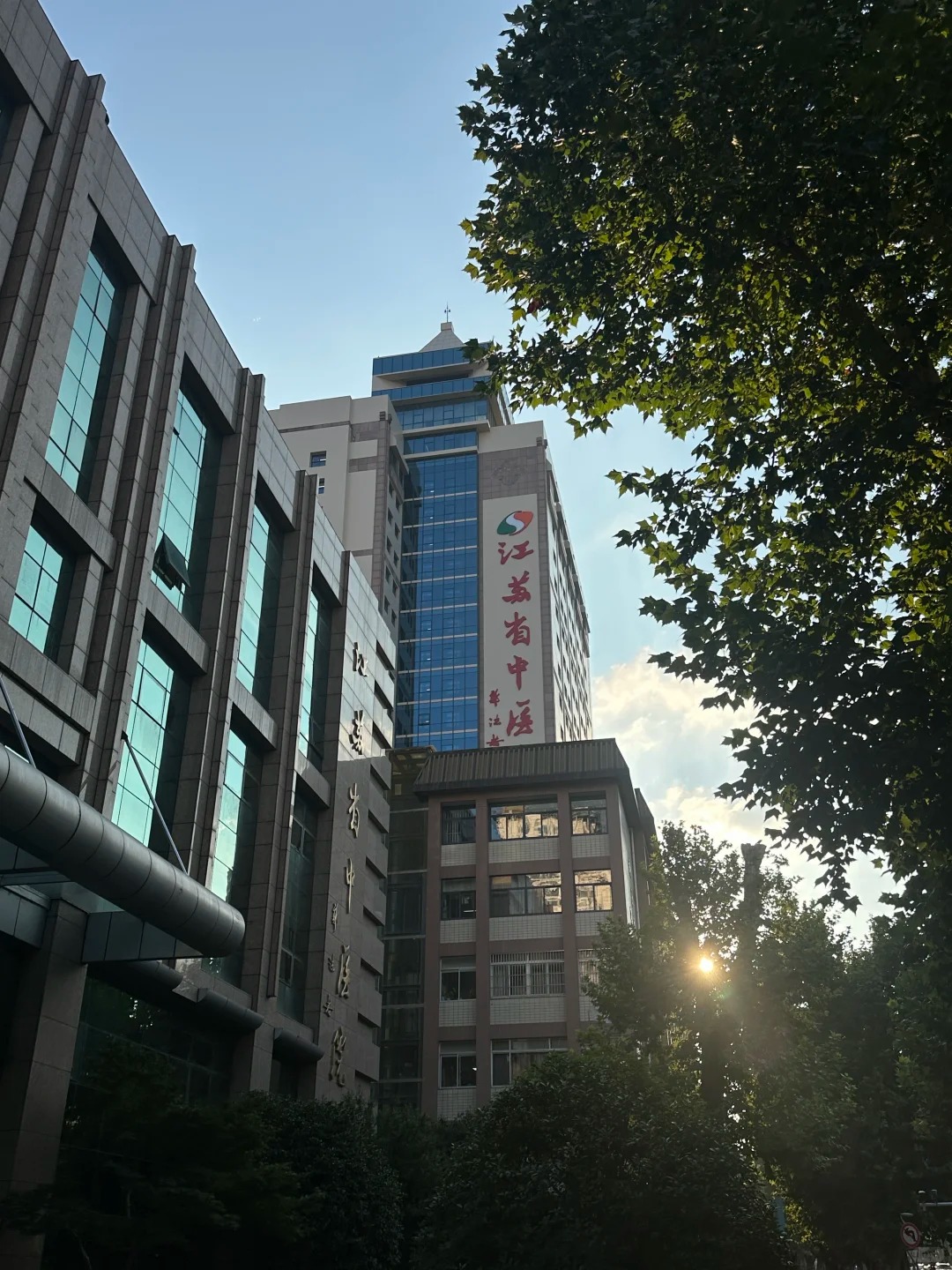
Jiangsu Province Hospital of Traditional Chinese Medicine
Jiangsu Province Hospital of Traditional Chinese Medicine (Affiliated Hospital of Nanjing University of Chinese Medicine) is a core institution for high-level medical care, research, and education in traditional Chinese medicine in Jiangsu Province. It has long been recognized for its strengths in internal medicine of traditional Chinese medicine, spleen and stomach disorders, cardiovascular and cerebrovascular diseases, oncology, nephrology, orthopedics and trauma, acupuncture and tuina, gynecology, and pediatrics. The hospital has developed comprehensive capabilities in integrated traditional Chinese and Western medicine, management of complex and severe conditions, preservation of traditional therapies, and coordinated development with modern medicine. Its technical barriers are mainly reflected in its inheritance system for renowned senior TCM physicians, clusters of key clinical specialties, application of distinctive formulations and classical prescriptions, accumulated expertise in acupuncture rehabilitation and external TCM therapies, as well as its role as a comprehensive regional platform for high-difficulty TCM diagnosis and treatment, education, and research translation.