
Top Hospitals in China
Book top-ranked medical institutions in China. Reference costs, not promises; we add zero markup to your hospital bill.
verified_user Independent patient coordination. Zero hospital markups. Not medical advice.
54 hospitals found

Tongren Hospital, Shanghai Jiao Tong University School of Medicine

Tongren Hospital, Shanghai Jiao Tong University School of Medicine is a Class A tertiary comprehensive hospital that integrates medical care, teaching, research, prevention, and rehabilitation. It traces its origins to the St. Francis Hospital system founded in 1866 and is now an affiliated hospital of Shanghai Jiao Tong University School of Medicine. Centered on its role as a medical center for western Shanghai, the hospital has developed a comprehensive clinical system with strengths in otolaryngology and head and neck surgery, ophthalmology, cardiology, orthopedics, general surgery, obstetrics and gynecology, urology, oncology-related diagnosis and treatment, and emergency and critical care. The hospital has strong capabilities in minimally invasive surgery, day surgery, refined eye and ear, nose, and throat care, management of geriatric comorbidities, and regional emergency response coordination, and it also carries out clinical teaching and research translation through its university-affiliated platform. For patients in China, its advantages include location in Shanghai, a major international medical city, access to high-level specialty care at a cost significantly lower than that of private hospitals in Europe and the United States, and typically shorter scheduling times for initial consultations as well as more convenient end-to-end communication support in Chinese.
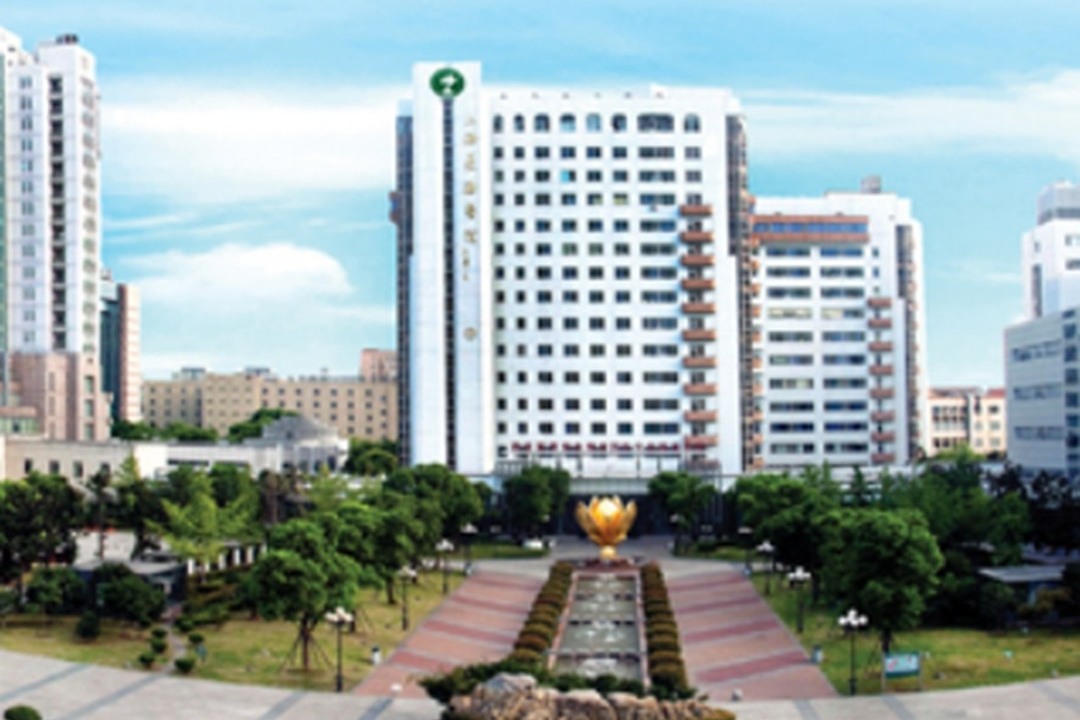
The First Affiliated Hospital of Naval Medical University
The First Affiliated Hospital of Naval Medical University (Shanghai Changhai Hospital) was founded in 1949. It is a national Class A tertiary general teaching hospital and the First Affiliated Hospital of Naval Medical University. Located in Shanghai, it integrates medical care, education, research, battlefield trauma treatment, and healthcare services. The hospital has developed strong specialty clusters in digestive diseases, cardiothoracic surgery, urology, orthopedics, neurosurgery, otolaryngology–head and neck surgery, hepatobiliary, pancreatic and splenic surgery, vascular surgery, and comprehensive oncology care. It has notable capabilities in the treatment of complex and critically ill conditions, minimally invasive surgery, robotic surgery, organ function reconstruction, and multidisciplinary diagnosis and treatment. As a high-level military hospital, it has a strong emergency and critical care system and high-standard nursing management capabilities. Supported by Shanghai's international medical resources, it has solid capacity to serve high-end care needs, international patients, cross-regional referrals, and multilingual communication. For patients in China, it can provide access to complex surgery, comprehensive cancer treatment, and specialty center services at a level approaching advanced international standards, typically with shorter appointment times and significantly lower costs than major medical centers in the United States or Japan.

The Second Affiliated Hospital of the Naval Medical University
The Second Affiliated Hospital of the Naval Medical University, also known as Shanghai Changzheng Hospital, was founded in 1949. It is a national Class A tertiary general teaching hospital and one of the key affiliated hospitals of the Naval Medical University. The hospital has strong specialty strengths in orthopedics, spine surgery, neurosurgery, urology, general surgery, gastroenterology, nephrology, and emergency and critical care. It undertakes national-level responsibilities for the diagnosis and treatment of complex and critical illnesses, as well as teaching and research. Drawing on military medical systems and Shanghai’s high-quality medical resources, the hospital has developed strong technical capabilities in the correction of complex spinal deformities, minimally invasive treatment of bone and joint diseases, comprehensive diagnosis and treatment of cranial, brain, and spinal cord disorders, minimally invasive surgery for urinary tract tumors and stones, and multidisciplinary care for severe trauma and critical illness. As a large general hospital, it has notable capabilities in multidisciplinary consultation for complex cases, perioperative management, and the performance of high-complexity surgery, making it attractive to patients who seek high-level specialty care in China while controlling cross-border medical and time costs.
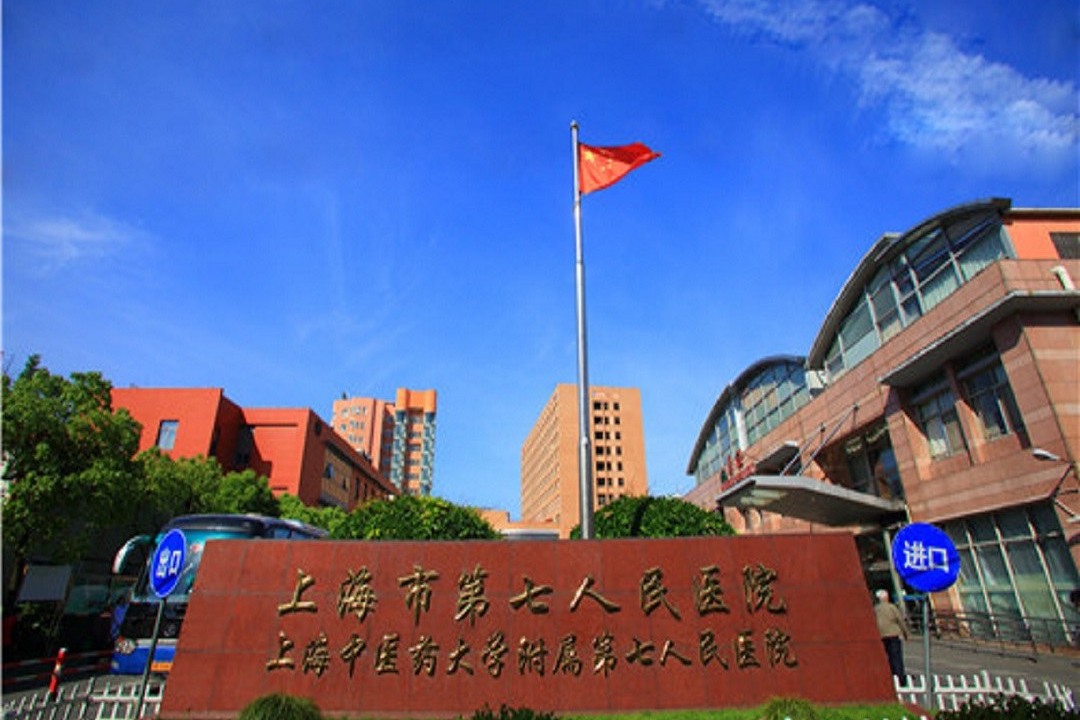
Shanghai Seventh People's Hospital
Shanghai Seventh People's Hospital is a Class A tertiary comprehensive public hospital located in Pudong New Area, Shanghai. It has long undertaken regional emergency and critical care treatment, clinical teaching, and research. The hospital focuses on the prevention and treatment of cardiovascular and cerebrovascular diseases, geriatric medicine, rehabilitation medicine, integrated traditional Chinese and Western medicine, orthopedics, and peripheral vascular disease–related care, while also providing comprehensive medical services and specialty care. As one of the affiliated hospitals of Shanghai University of Traditional Chinese Medicine, the hospital has strong capabilities in integrated traditional Chinese and Western medicine treatment, chronic disease management, continuity of rehabilitation services, and regional medical consortium collaboration. Its technical strengths are mainly reflected in integrated stroke screening and rehabilitation, comprehensive management of geriatric comorbidities, standardized treatment of peripheral vascular diseases, and the development of multidisciplinary care systems. It is suitable for patients who need ongoing treatment, rehabilitation management, and long-term follow-up for chronic conditions.
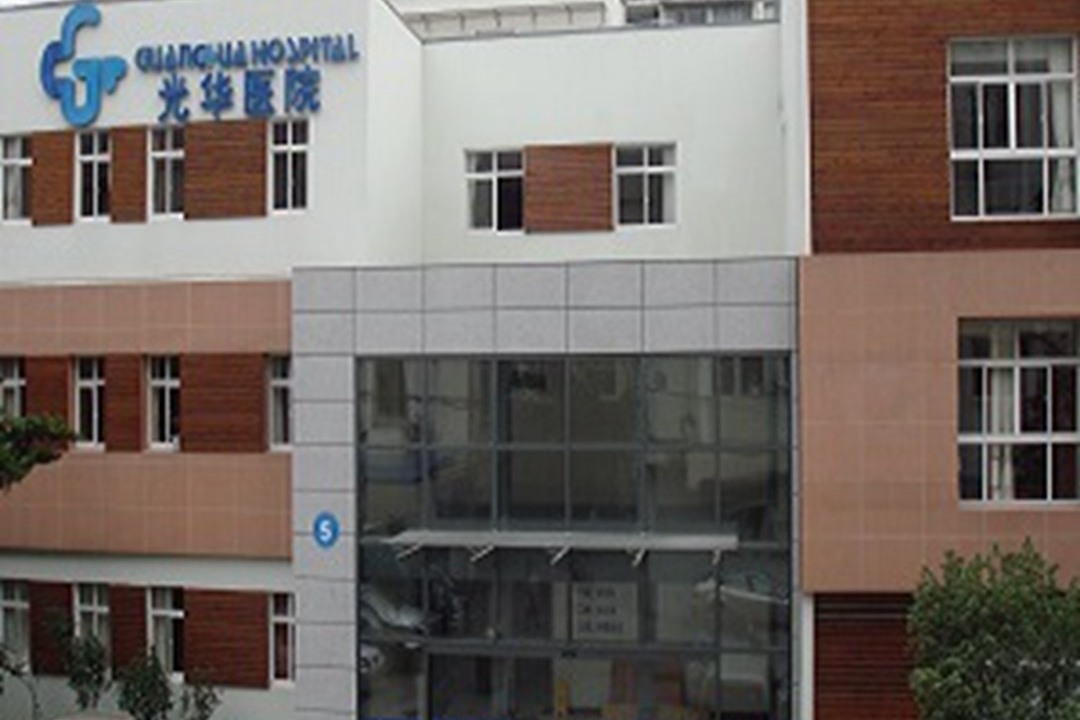
Shanghai Guanghua Hospital of Integrated Traditional Chinese and Western Medicine
Shanghai Guanghua Hospital of Integrated Traditional Chinese and Western Medicine is a Class A tertiary hospital specializing in orthopedics and traumatology, rheumatic diseases, joint disorders, rehabilitation medicine, and integrated traditional Chinese and Western medicine. It is also an affiliated hospital of Shanghai University of Traditional Chinese Medicine. The hospital has extensive experience in degenerative joint disease, rheumatoid arthritis, ankylosing spondylitis, osteoporosis, neck, shoulder, low back, and leg pain, as well as perioperative rehabilitation, and has developed a care pathway that combines traditional Chinese medicine syndrome differentiation and treatment, precise Western medical assessment, minimally invasive surgery, and systematic rehabilitation. Its main strengths lie in the collaboration between orthopedics and rheumatology/immunology subspecialties, combined Chinese and Western approaches to controlling chronic inflammation and pain, enhanced postoperative recovery, and continuous management of musculoskeletal conditions in older adults. As an important center for integrated orthopedics and rheumatology in Shanghai, the hospital is well recognized by local patients, and is particularly suitable for patients who need long-term follow-up, conservative treatment, and integrated postoperative rehabilitation management.
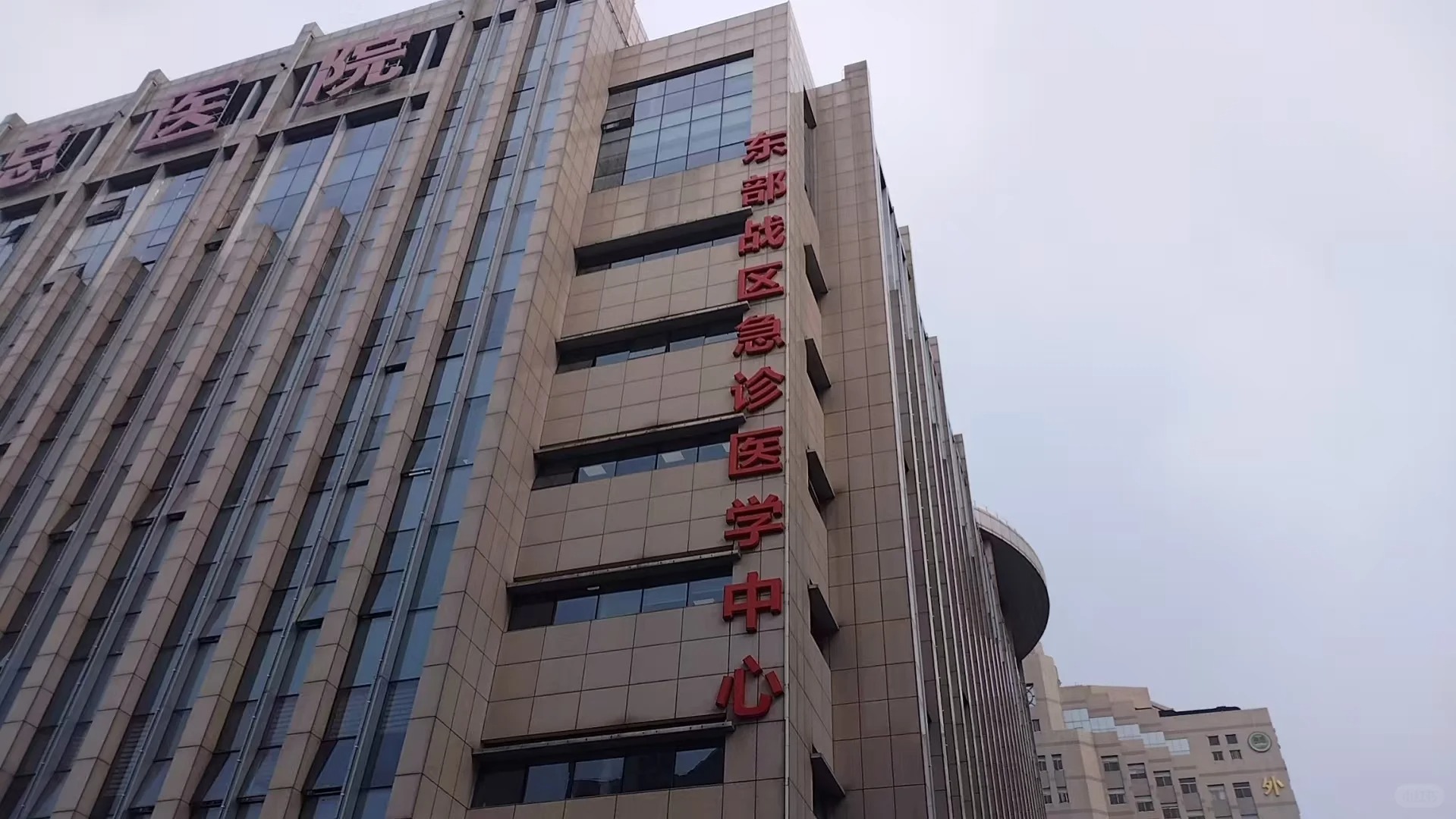
Eastern Theater Command General Hospital
Eastern Theater Command General Hospital (formerly Nanjing General Hospital of Nanjing Military Region) is a large comprehensive Class A tertiary hospital integrating medical care, teaching, research, prevention, and health care. It has long承担 responsibilities in the treatment of complex and critical cases, war and trauma care, organ transplantation, cardiovascular diseases, comprehensive cancer treatment, digestive and respiratory diseases, orthopedics, and spine surgery. The hospital has a complete range of specialties and multiple national-level and military-level key discipline/specialty platforms. It has strong technical capabilities in minimally invasive surgery, critical care medicine, emergency and critical care, precision diagnosis and treatment, and clinical research translation. Supported by its large-scale comprehensive treatment capacity and regional medical center role, the hospital has strong advantages in difficult disease diagnosis and multidisciplinary collaboration in East China.
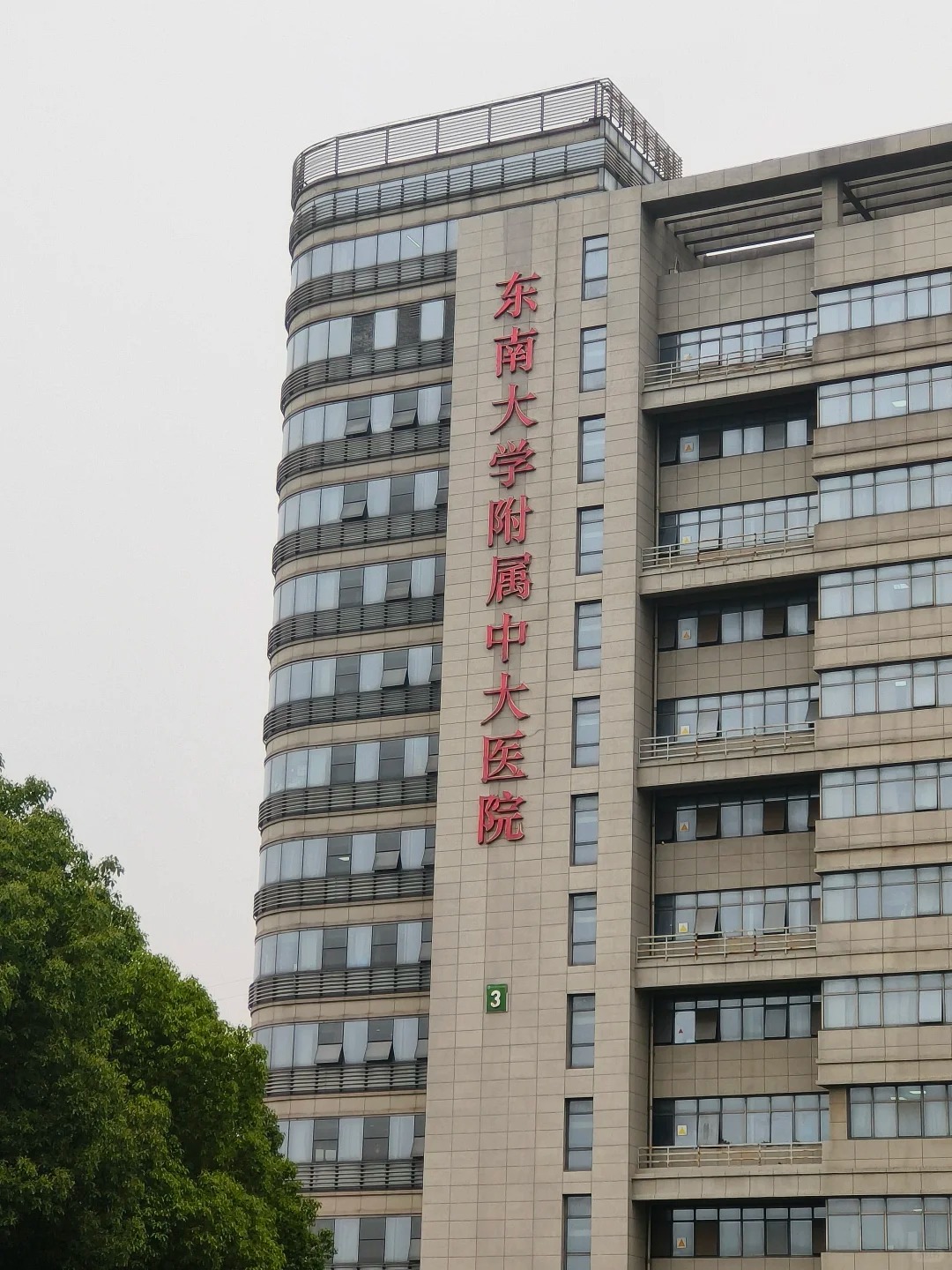
Zhongda Hospital, Southeast University
Zhongda Hospital, Southeast University is a large Class A tertiary general hospital in Jiangsu Province with national influence. Based on Southeast University’s medical disciplines, it has developed multidisciplinary strengths in critical care medicine, cardiovascular disease, respiratory and critical care medicine, neurology and neurosurgery, hepatobiliary and pancreatic surgery, nephrology and organ transplantation, diagnostic imaging, anesthesiology, and perioperative medicine. The hospital has strong technical capabilities in emergency and critical care, diagnosis and treatment of complex and difficult cases, minimally invasive and precision surgery, interventional therapy, organ support, and the clinical translation of research. It is well suited for patients who need high-level comprehensive treatment and multidisciplinary consultation.
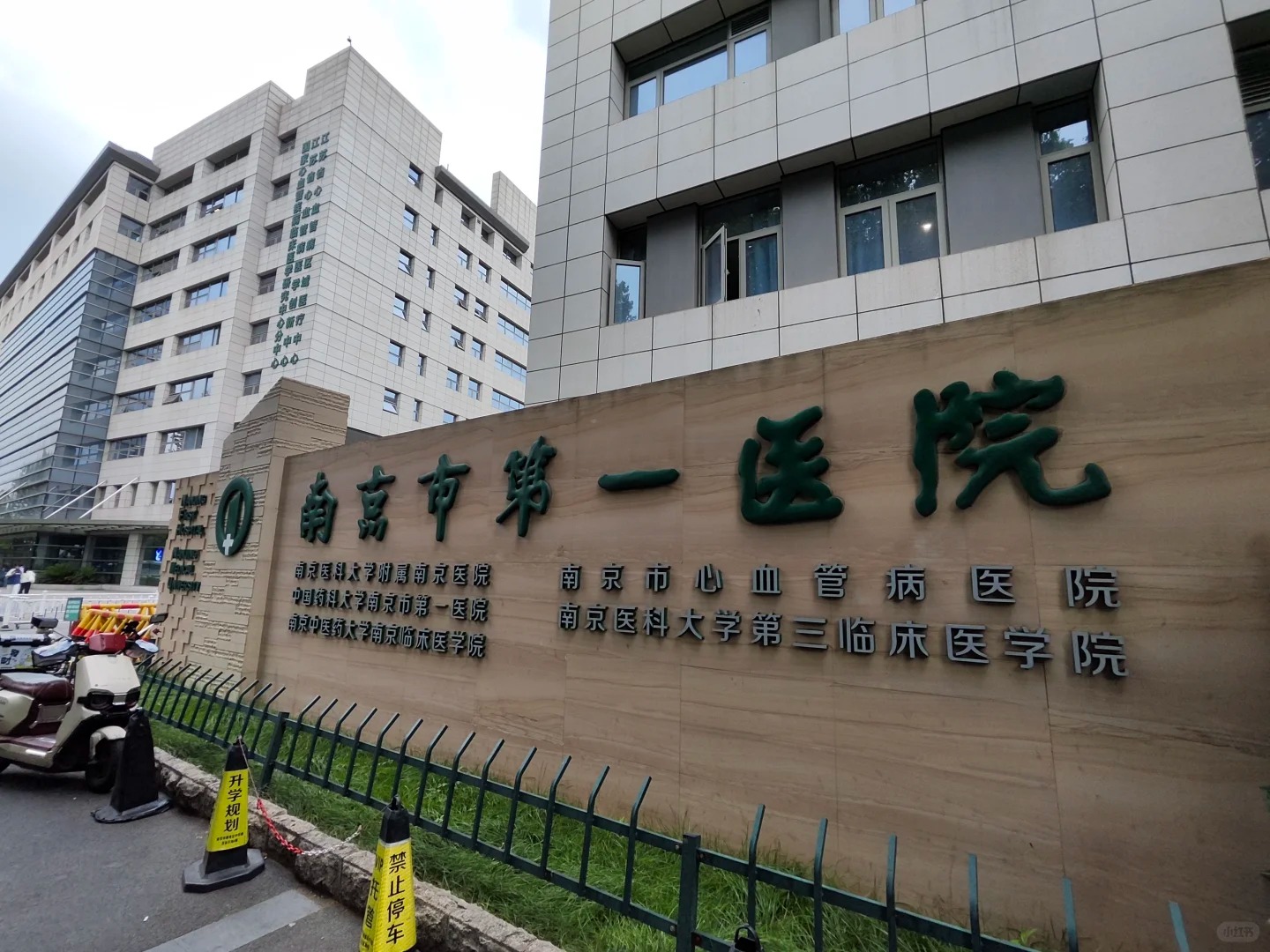
Nanjing First Hospital
Nanjing First Hospital (typically corresponding to the core public hospital within the Nanjing First Hospital / Nanjing First Hospital Group system) is a long-established comprehensive hospital with strong local capacity for managing complex and severe cases. It generally has a solid foundation in cardiology, gastroenterology, oncology, urology, orthopedics, emergency and critical care, and multidisciplinary diagnosis and treatment. Because public reporting, campus changes, and annual report release timing are not fully consistent, core operating indicators such as bed capacity, outpatient volume, and surgical volume should be verified against the hospital's annual report and the latest official disclosures from the competent authorities. In terms of cross-border medical competitiveness, the hospital is better suited to Chinese patients who value cost-effectiveness, faster local referrals, and convenient Chinese-language communication, while it is generally less developed than national-level international medical centers in international patient services, English guidance, cross-border payment, and direct billing with overseas insurers.
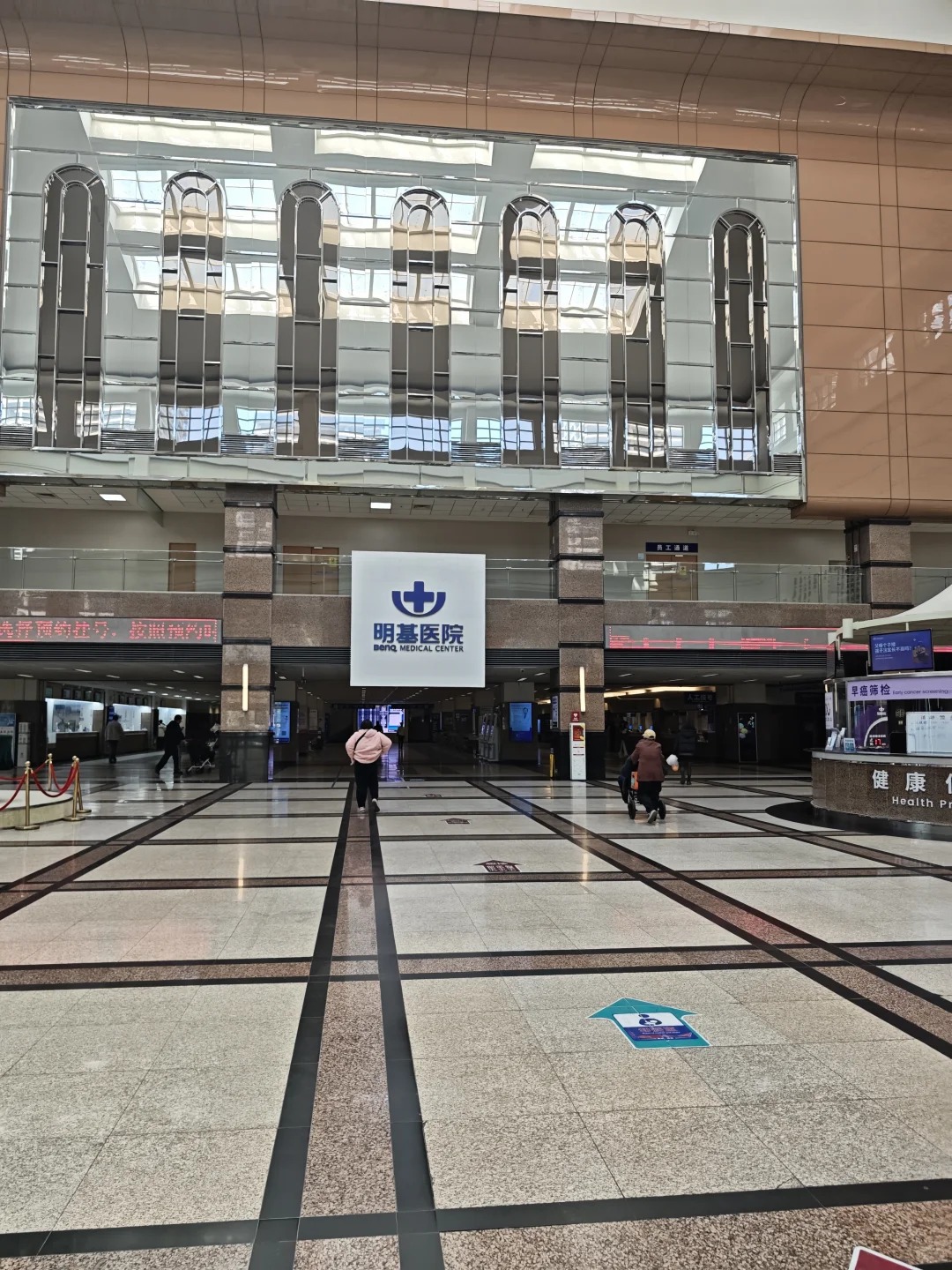
Nanjing BenQ Hospital
Nanjing BenQ Hospital is a comprehensive hospital in Nanjing, Jiangsu Province, providing diagnosis and treatment services through modern medical management and a multidisciplinary collaboration model. Public information indicates that it has strong overall outpatient and inpatient care capabilities in oncology, cardiovascular medicine, orthopedics, gastroenterology, obstetrics and gynecology, imaging, and health management, with an emphasis on minimally invasive care, precision diagnosis and treatment, and integrated services. Its strengths are mainly reflected in multidisciplinary consultations, structured nursing workflows, an international service system, and well-developed laboratory and imaging support, making it suitable for patients who place high value on care efficiency, continuity of management, and service experience.
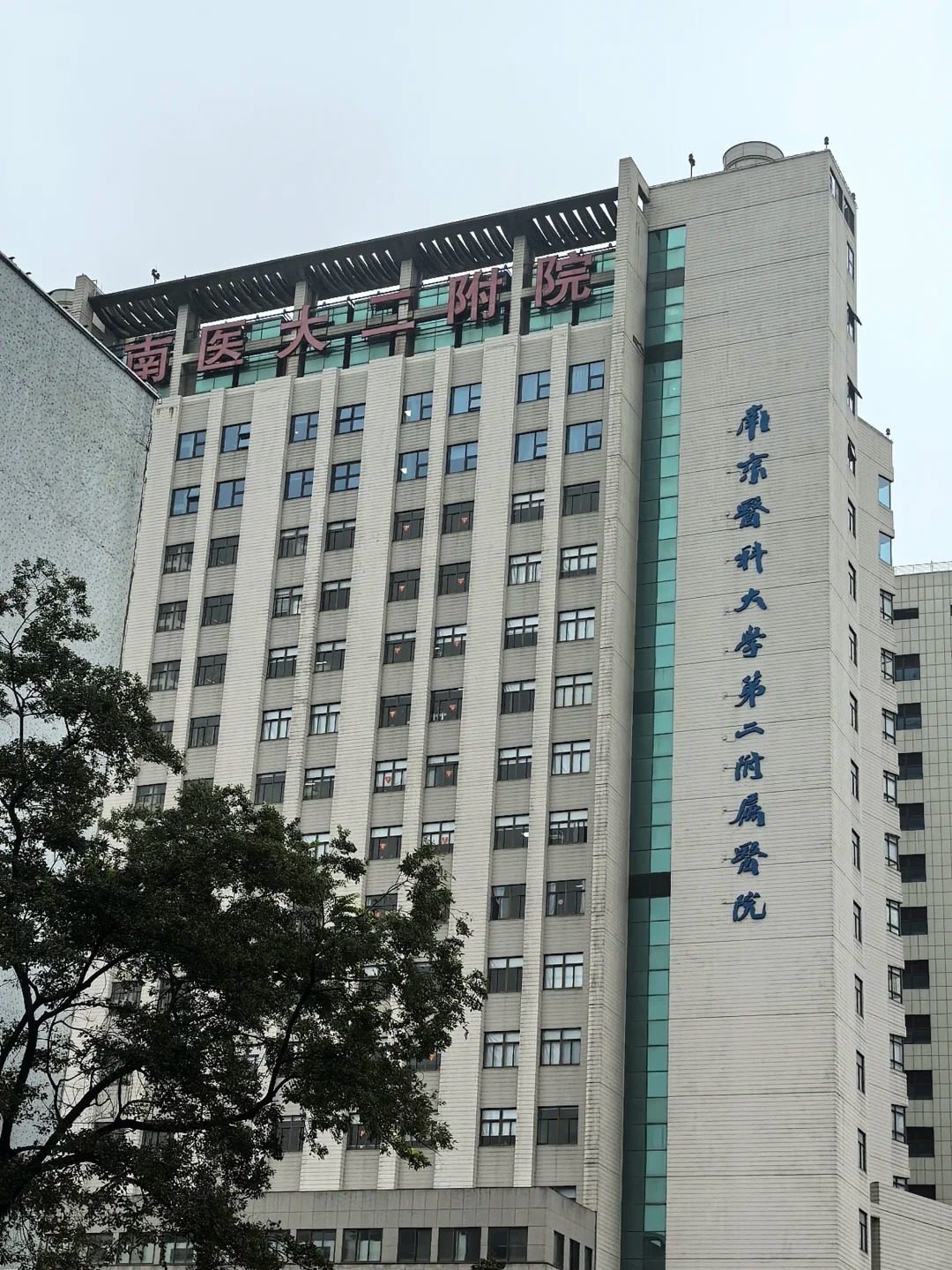
The Second Affiliated Hospital of Nanjing Medical University
The Second Affiliated Hospital of Nanjing Medical University (also known as Jiangsu Provincial Second Hospital of Traditional Chinese Medicine / one of the regional Class A tertiary hospitals within the Second Affiliated Hospital system of Nanjing Medical University) has its main clinical strengths in general internal medicine, surgery, emergency and critical care, orthopedics, neurology, digestive diseases, geriatric medicine, and chronic disease management. The hospital has strong multidisciplinary care capabilities. Drawing on the teaching and research resources of the medical university, it has long undertaken clinical teaching, standardized residency training, and research translation responsibilities, and has a high level of localized service capacity in common diseases, frequently occurring diseases, complex comorbidities, and the comprehensive care of older adults. For cross-border patients, its advantages are mainly reflected in integrated regional care coordination, relatively accessible outpatient and emergency services, and a more complete Chinese-language medical service system. However, publicly verifiable information on specialized international centers and international accreditations such as JCI is insufficient, so its international competitiveness should not be overstated.