
Top Hospitals in China
Book top-ranked medical institutions in China. Reference costs, not promises; we add zero markup to your hospital bill.
verified_user Independent patient coordination. Zero hospital markups. Not medical advice.
54 hospitals found
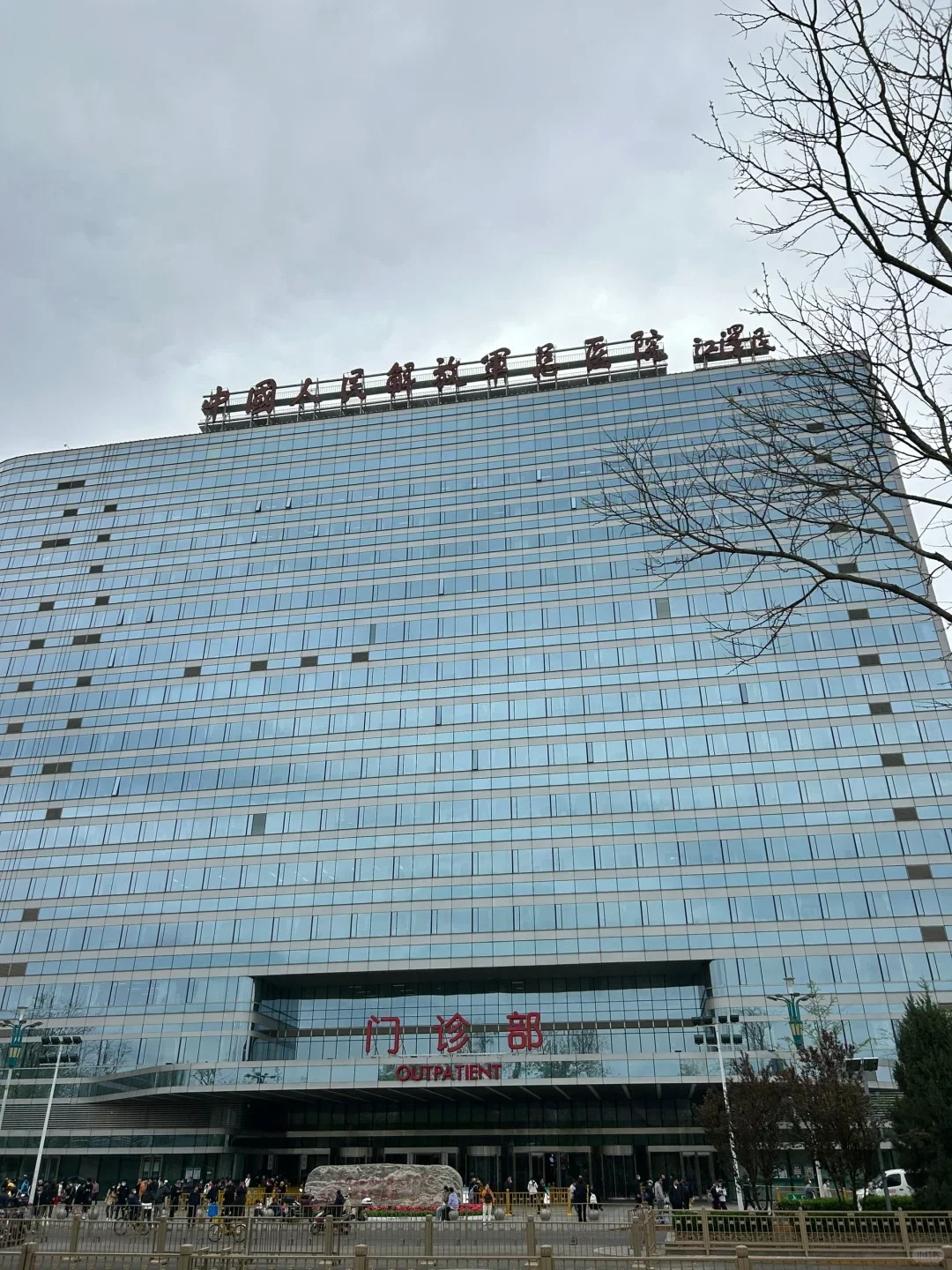
Chinese People's Liberation Army General Hospital (301 Hospital)

Founded in 1953, the Chinese People's Liberation Army (PLA) General Hospital (301 Hospital) is a large-scale modern comprehensive hospital integrating medical care, health preservation, teaching, and research. It is directly affiliated with the PLA Joint Logistics Support Force. The hospital maintains significant clinical advantages and high technical expertise in fields such as critical care, targeted tumor therapy and immunotherapy, geriatrics, orthopedics, and otolaryngology-head and neck surgery. As a national key medical base, the hospital features advanced medical equipment and an expert team led by academicians of the Chinese Academy of Sciences and the Chinese Academy of Engineering. It also operates a dedicated International Medical Center (VIP Department) to provide efficient expedited services for international patients. Compared to leading medical institutions in Europe and North America, 301 Hospital offers significant cost savings and substantially shorter waiting times for complex surgical procedures while maintaining comparable or higher success rates.
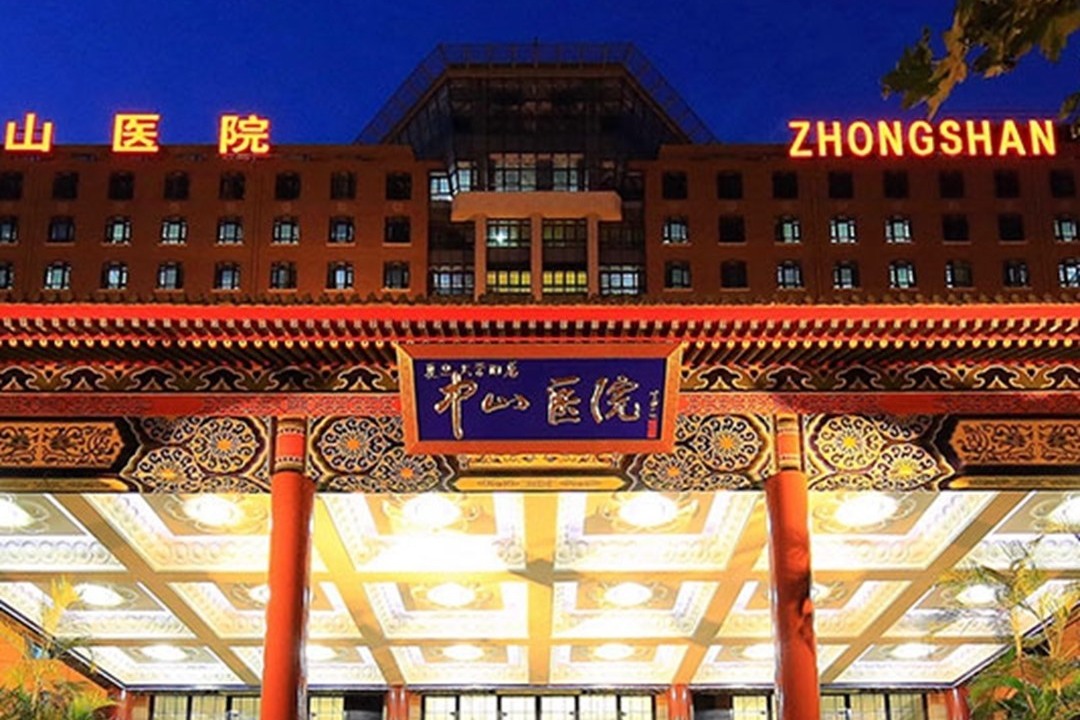
Zhongshan Hospital, Fudan University
Zhongshan Hospital, Fudan University, was established in 1937. It is one of the leading national medical center development institutions in China and a representative Class A tertiary public hospital in Shanghai. The hospital is known for its strengths in cardiology, cardiac surgery, general surgery, liver cancer surgery, respiratory and critical care medicine, diagnostic imaging, intensive care medicine, gastroenterology, thoracic surgery, and infectious diseases. Its services in cardiac intervention, coronary artery bypass grafting, complex structural heart disease treatment, comprehensive liver cancer treatment, minimally invasive thoracic surgery, and critical care remain among the country’s leading programs. Supported by Fudan University’s clinical research platform, the hospital has strong capabilities in treating complex and critical conditions and a high-level multidisciplinary collaboration system, with technical strength in complex surgeries, advanced interventions, and precision diagnosis and treatment. As an important gateway for international patients, Zhongshan Hospital offers an International Medical Department/International Medical Center, providing a relatively high standard of appointment coordination, inpatient care, health examinations, and multilingual support. Compared with large academic medical centers in Europe and North America, Zhongshan Hospital typically offers a shorter pathway to treatment and a significant cost advantage for common major diseases treated in China, making it suitable for cross-border and high-net-worth patients seeking high-level cardiovascular, oncology, and surgical care in China.
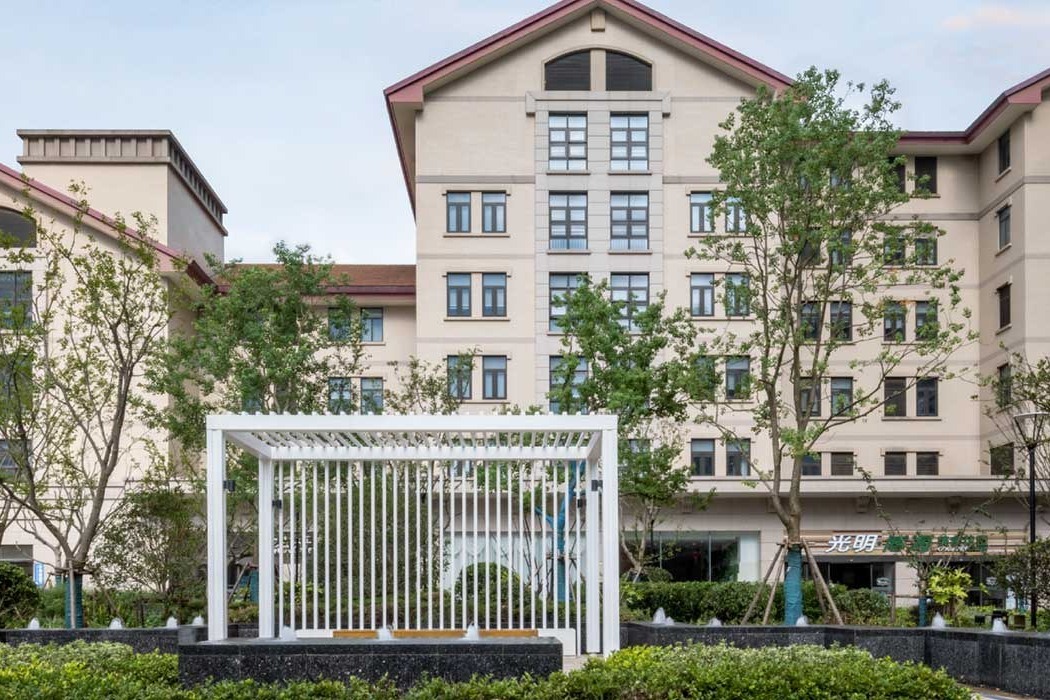
Ruijin Hospital, Shanghai Jiao Tong University School of Medicine
Ruijin Hospital, Shanghai Jiao Tong University School of Medicine, was established in 1907. It is a Class A tertiary general teaching hospital under the administration of the National Health Commission and one of the core affiliated hospitals of Shanghai Jiao Tong University School of Medicine. The hospital is recognized for strengths in endocrinology and metabolism, hematology, cardiovascular medicine, gastroenterology, general surgery, orthopedics, burn and plastic surgery, critical care medicine, and comprehensive oncology care. It has national-level key clinical specialties and high-level research platforms. The hospital has notable expertise in diabetes and metabolic disorders, hematologic diseases, the treatment of complex and critically ill patients, and minimally invasive surgery. Supported by the development of a national medical center/regional medical center, a high-level MDT system, and large-scale clinical research capabilities, it combines clinical capability with translational research strength. For patients in China, Ruijin Hospital can provide complex-disease diagnosis and treatment plans locally at an international standard, and compared with cross-border care it typically offers a shorter referral chain, lower overall cost, and better continuity of follow-up.
Renji Hospital, Shanghai Jiao Tong University School of Medicine
Renji Hospital, Shanghai Jiao Tong University School of Medicine, was founded in 1844. It is one of the earliest Western medicine hospitals in China and one of Shanghai's oldest comprehensive Class A tertiary hospitals. The hospital has developed a coordinated four-campus structure across its east, west, south, and north campuses. It offers a full range of specialties and strong overall capabilities. Its departments in gastroenterology, hepatology, urology, rheumatology and immunology, reproductive medicine, neurology, and cardiovascular medicine have significant influence in China. Supported by the platform of Shanghai Jiao Tong University School of Medicine, it has strong technical capabilities in the diagnosis and treatment of complex and severe conditions, comprehensive management of organ-related diseases, minimally invasive and interventional techniques, precision medicine, and clinical translation. Renji Hospital has accumulated a large number of high-complexity cases in areas such as liver disease, digestive system disease, urinary system disease, and reproductive medicine, and has the ability to provide multidisciplinary care. It is particularly suitable for patients who require high-level comprehensive treatment and detailed management. For international patients, the hospital is located in an area of Shanghai with concentrated international medical resources, making it convenient to connect with international flights, business travel, and premium healthcare services. In terms of cost accessibility, nearby follow-up efficiency, and Chinese-language medical communication, it offers practical advantages for patients in China compared with large academic medical centers in Europe and the United States.
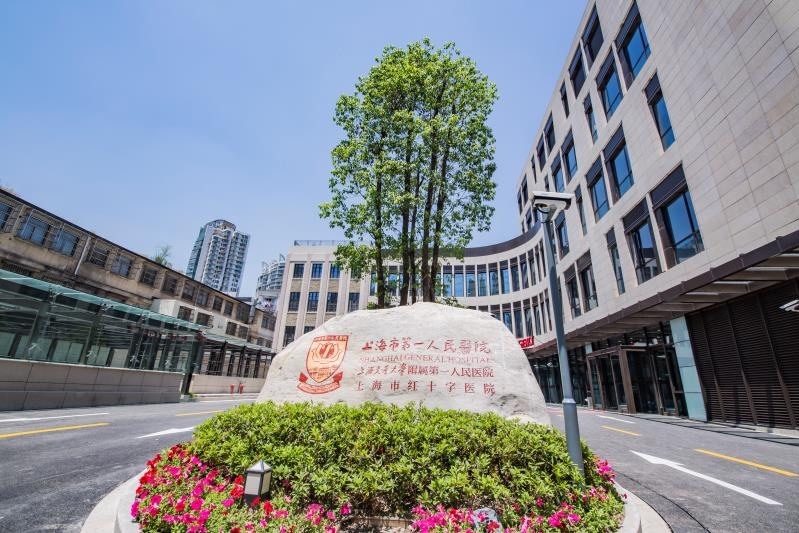
Shanghai First People’s Hospital
Shanghai First People’s Hospital was founded in 1864 and is one of Shanghai’s oldest large general Class A tertiary hospitals. The hospital has developed strong clinical and research synergy in several specialties, including cardiovascular medicine, urology, ophthalmology, nephrology, gastroenterology, orthopedics, and endocrinology. It has the capability to treat complex and difficult critical cases and offers advanced minimally invasive surgery, precision diagnosis and treatment, and a multidisciplinary consultation system. The hospital has significant influence in Shanghai and the Yangtze River Delta region. Supported by national and provincial platforms and key specialty development, it has established technical strengths in complex surgery, emergency and critical care, geriatrics, and chronic disease management.
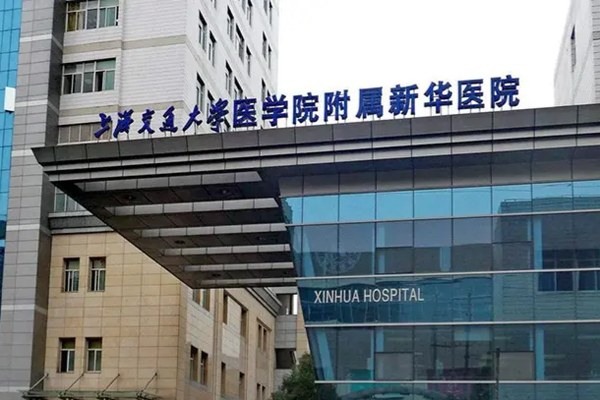
Xinhua Hospital Affiliated to Shanghai Jiao Tong University School of Medicine
Xinhua Hospital Affiliated to Shanghai Jiao Tong University School of Medicine is a large Class A tertiary comprehensive hospital and an important part of the National Children's Medical Center. It integrates medical care, teaching, research, prevention, and rehabilitation, and has distinctive pediatric strengths alongside broad multidisciplinary capabilities. The hospital has developed strong expertise in neonatal care, pediatric cardiology, pediatric critical care, pediatric neurology, pediatric surgery, pediatric orthopedics, pediatric endocrinology, and pediatric respiratory and infectious diseases, while also providing diagnosis and treatment for common adult conditions and complex critical illnesses. Supported by Shanghai Jiao Tong University School of Medicine and its multidisciplinary collaboration platform, the hospital has strong capabilities in critical care, minimally invasive surgery, precision diagnosis and treatment, and MDT management of complex cases, and is one of the important high-level centers for the treatment of complex and critical illnesses in the Yangtze River Delta region.
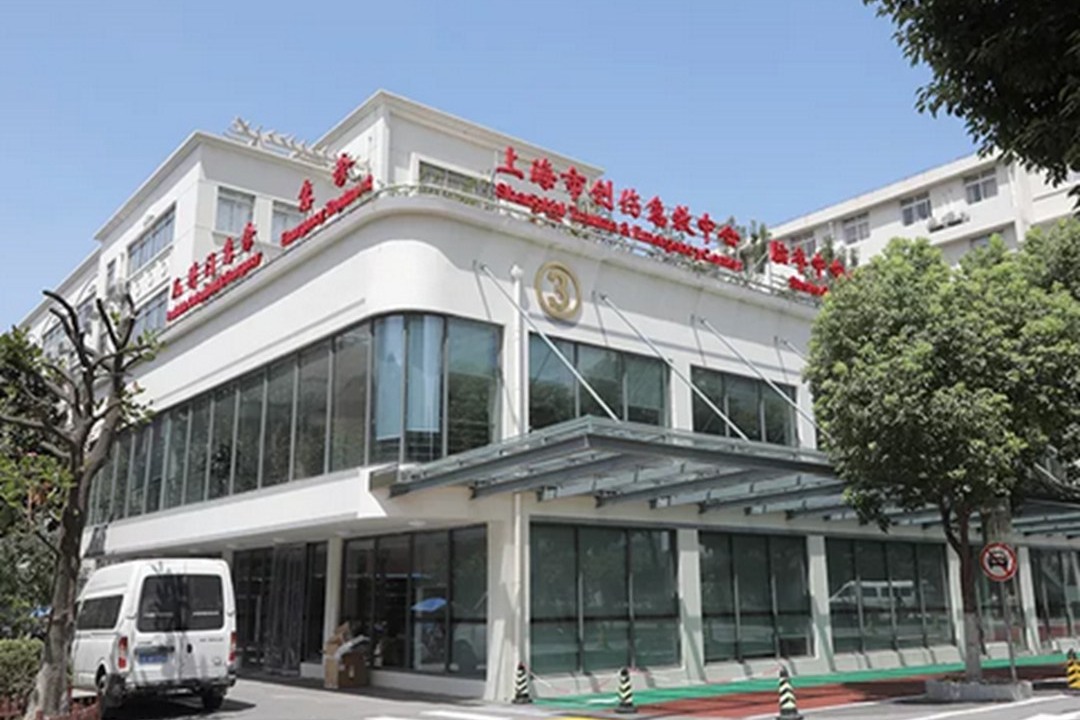
Shanghai Tenth People's Hospital
Shanghai Tenth People's Hospital (Tenth People's Hospital of Tongji University) is a large Class A tertiary comprehensive hospital. Drawing on the medical resources of Tongji University, it has strong capabilities in urology, orthopedics, gastroenterology, cardiology, respiratory and critical care medicine, general surgery, neurosurgery, and emergency and critical care treatment. The hospital emphasizes multidisciplinary collaboration, minimally invasive and precision diagnosis and treatment, management of complex and severe cases, and regional healthcare reach, with a relatively strong overall level in clinical translation and teaching and research.
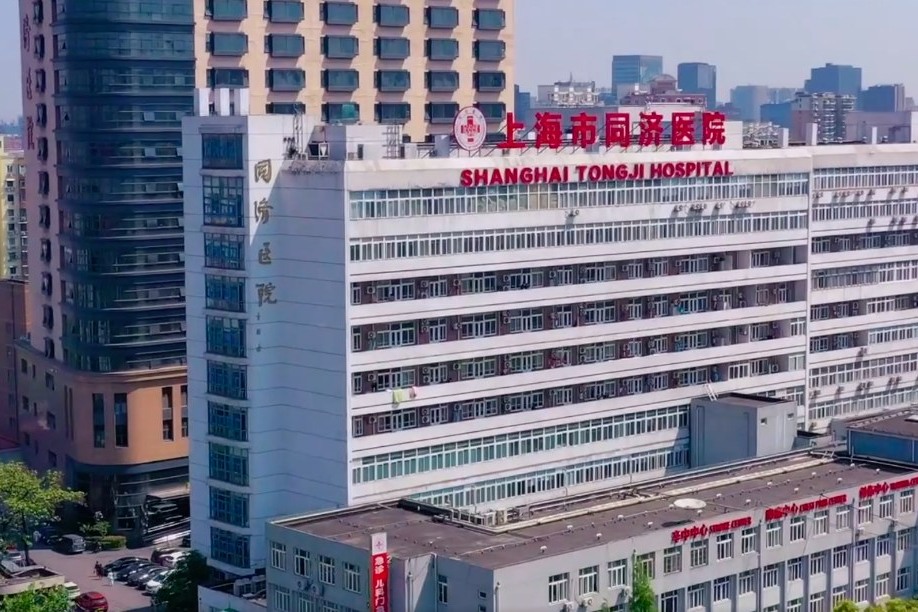
Shanghai Tongji Hospital
Shanghai Tongji Hospital usually refers to Tongji Hospital, affiliated with Tongji University, located in Shanghai. It is a Class A tertiary comprehensive hospital integrating medical care, teaching, research, prevention, and rehabilitation. The hospital dates back to 1900 and has a century-long medical tradition. Supported by the platform of Tongji University School of Medicine, it has developed strong overall capabilities in orthopedics, neurosurgery, cardiovascular disease, general surgery, obstetrics and gynecology, rehabilitation medicine, and emergency and critical care. The hospital has clear technical strengths in spine surgery, joint surgery, trauma care, diagnosis and treatment of neurological diseases, and multidisciplinary collaboration, and is able to manage highly complex and difficult cases. As one of Shanghai's large public teaching hospitals, its strengths include concentrated expert resources, a well-established critical care system, and strong research translation capacity. It also has an international medical department/specialty medical service system, which can provide relatively convenient care for expatriates and patients with high-level medical needs. For Chinese patients, compared with traveling to Europe or the United States for similar complex surgery or chronic disease management, it offers clear local advantages in language, payment, continuity of postoperative follow-up, overall cost, and inpatient coordination.
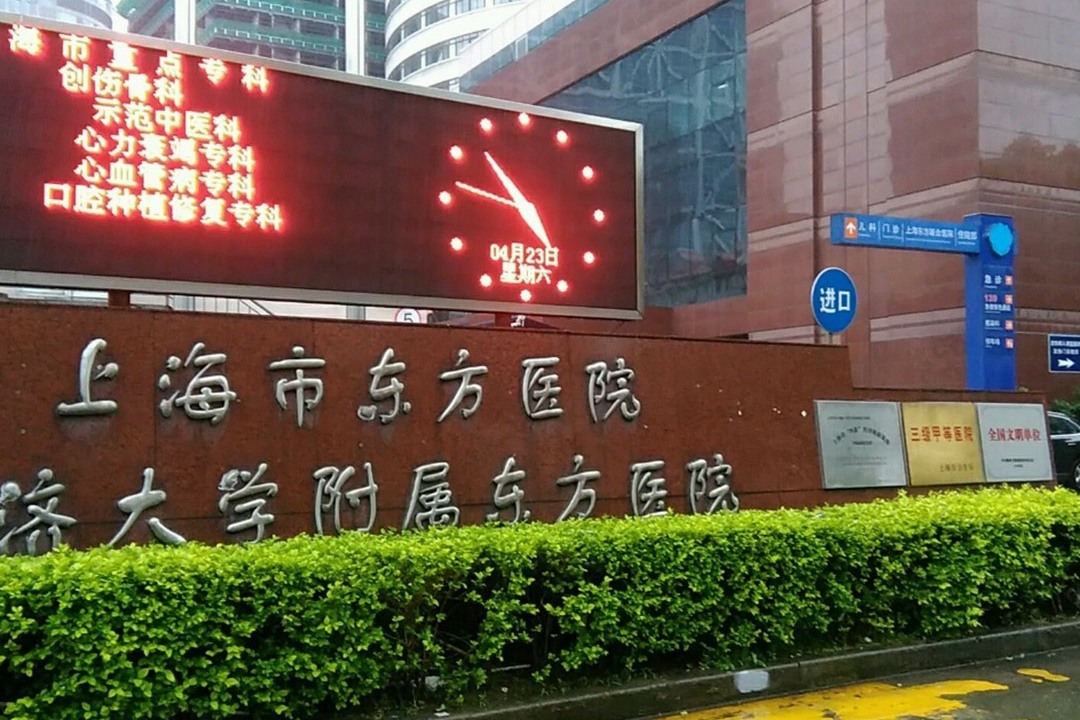
Shanghai East Hospital
Shanghai East Hospital (East Hospital, Tongji University School of Medicine) was founded in 1920. It is a large Class A tertiary general university-affiliated hospital that integrates medical care, teaching, research, prevention, emergency care, and rehabilitation. The hospital has developed a coordinated model with two campuses, north and south. It has strong comprehensive capabilities in cardiovascular disease, emergency and critical care, chest pain center services, stroke center services, trauma care, integrated cancer treatment, interventional diagnosis and treatment, cardiovascular and aortic surgery, urology, obstetrics and gynecology, and geriatric medicine. Supported by the medical disciplines platform of Tongji University, the hospital has strong technical capabilities in clinical translation, multidisciplinary diagnosis and treatment of complex and severe cases, and the development of a high-level emergency care system. It also holds an important regional medical center position within the public hospital system of Pudong New Area. The hospital has an International Medical Department that provides appointment scheduling, inpatient services, health examinations, specialty disease care, and multilingual coordination for Chinese and international patients, making it suitable for patients seeking high-quality comprehensive care and convenient access to medical services in Shanghai.
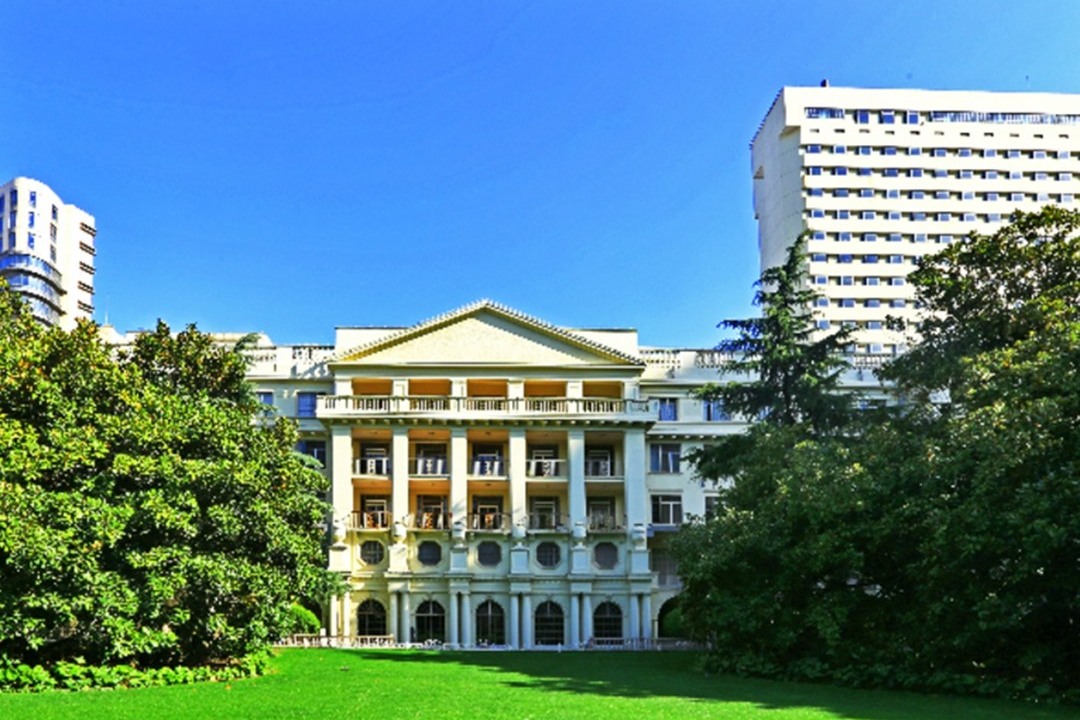
Huadong Hospital Affiliated to Fudan University
Huadong Hospital Affiliated to Fudan University was established in 1928. It is one of Shanghai's longer-established Class A tertiary general hospitals with a well-developed clinical specialty system. The hospital focuses on geriatrics, cardiology, neurology, endocrinology and metabolism, rehabilitation medicine, orthopedics, urology, and gastroenterology. It has strong capabilities in integrated diagnosis and treatment of complex and critical conditions, chronic disease management in older adults, multidisciplinary team (MDT) care, and meticulous perioperative management. Supported by Fudan University's medical resources, the hospital has developed coordinated clinical, teaching, and research capabilities. It has considerable expertise in comprehensive assessment of very elderly patients, perioperative risk control, long-term chronic disease management, functional rehabilitation, and palliative care. For cross-border patients, the hospital is located in central Shanghai, with relatively good accessibility for referrals and international travel, and it is able to provide international medical services and multidisciplinary care support.