
Top Hospitals in China
Book top-ranked medical institutions in China. Reference costs, not promises; we add zero markup to your hospital bill.
verified_user Independent patient coordination. Zero hospital markups. Not medical advice.
54 hospitals found

Peking University International Hospital

Peking University International Hospital is a large-scale non-profit tertiary general hospital jointly invested by Peking University and Founder Group. It also serves as the Eighth Clinical Medical College of Peking University. Located in the Zhongguancun Life Science Park in Changping District, Beijing, the hospital has an approved capacity of 1,800 beds and a total construction area of 440,000 square meters. It is the first hospital in China to achieve dual certification for international hospital management and infection control from DNV GL, and its information system has reached the HIMSS Level 7 international standard. The hospital deeply integrates the resources of elite disciplines from Peking University Health Science Center and features an International Medical Center to provide high-quality medical services aligned with international standards.
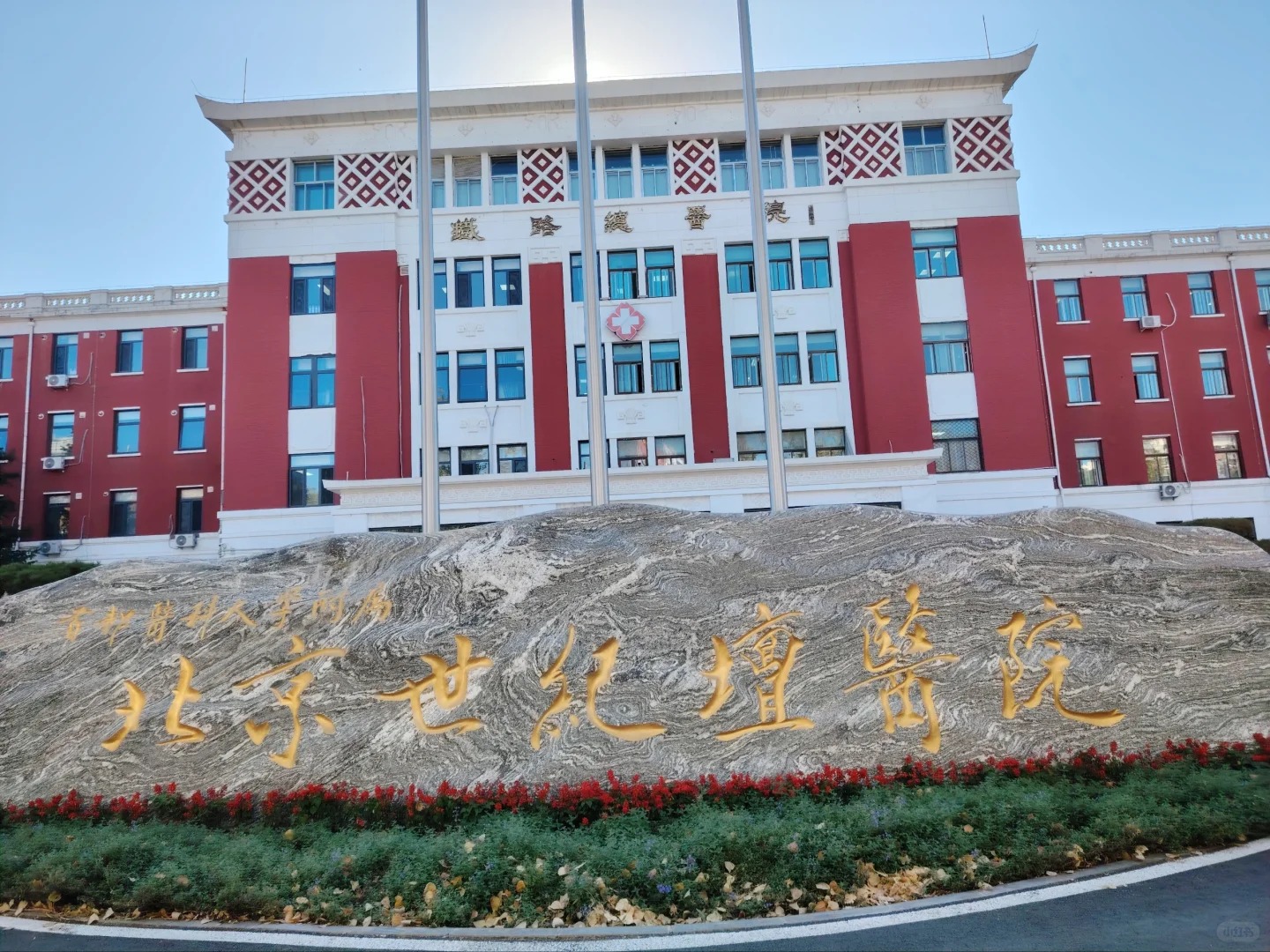
Beijing Shijitan Hospital, Capital Medical University
Founded in 1915, Beijing Shijitan Hospital of Capital Medical University (formerly the Beijing Railway General Hospital of the Ministry of Railways) is a comprehensive Class A tertiary hospital integrating medical care, education, research, and prevention. The hospital features comprehensive oncology diagnosis and treatment as its core specialty. Its allergy department consistently ranks among the top in China, and the institution maintains significant technical expertise and international academic influence in fields such as lymphatic surgery, gastrointestinal oncology, and critical care medicine.
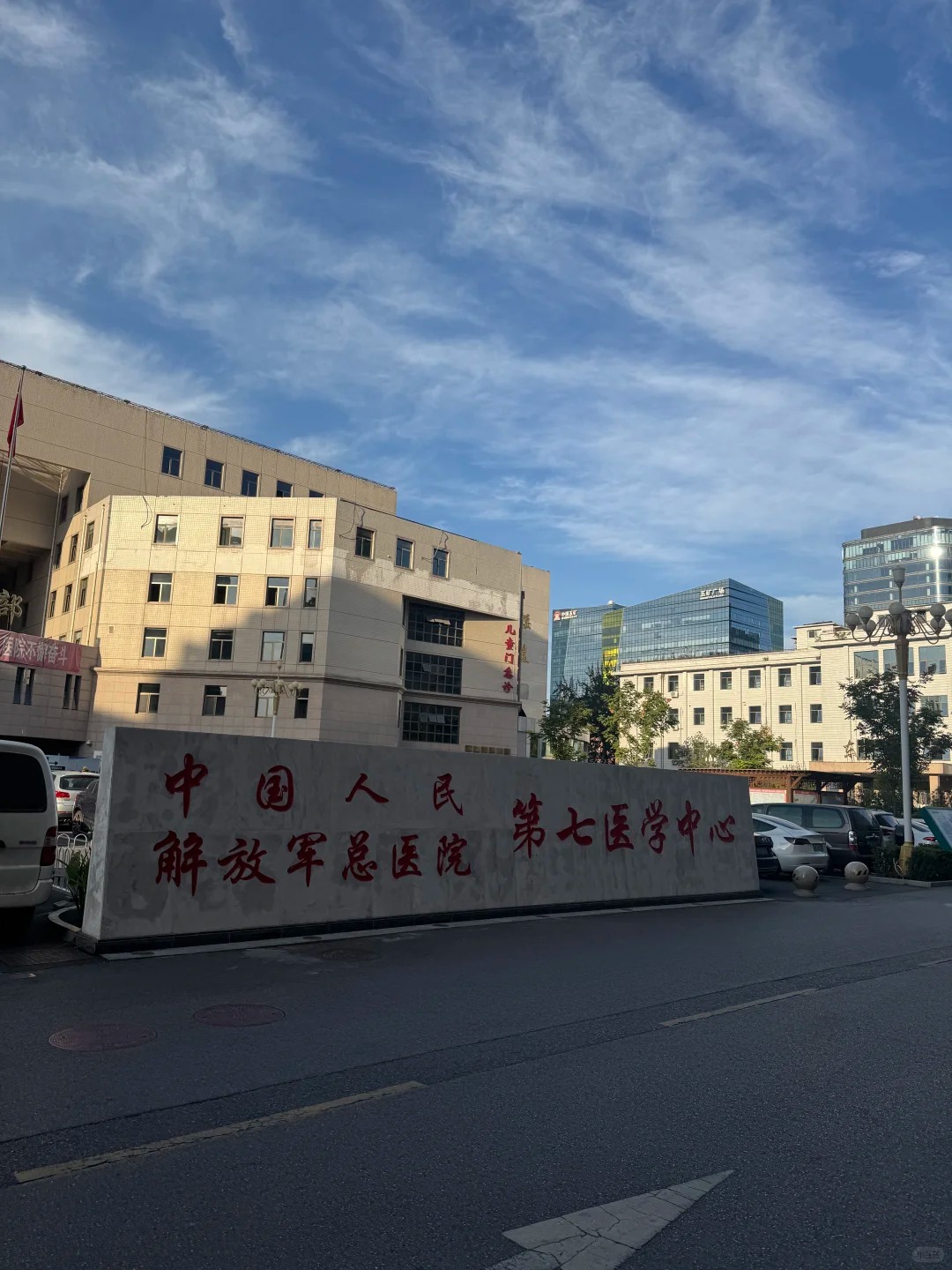
Seventh Medical Center of Chinese PLA General Hospital
Established in 1912, the Seventh Medical Center of the Chinese People's Liberation Army (PLA) General Hospital (formerly the Army General Hospital / Beijing Military Region General Hospital) is a large-scale, modern Class A tertiary comprehensive hospital integrating medical care, education, research, prevention, and healthcare. The center maintains core clinical strengths in its affiliated Bayi Children's Hospital, the Military Institute of Orthopedics, Dermatology, and Critical Care Medicine. Leveraging the robust comprehensive medical system and expert pool of the PLA General Hospital (301 Hospital), the Seventh Medical Center possesses leading domestic and international technical capabilities in managing complex and critical cases, combat trauma, and intricate pediatric diseases. With competitive treatment costs and efficient special medical services, it is increasingly becoming a destination for overseas Chinese and international patients seeking cross-border medical care.
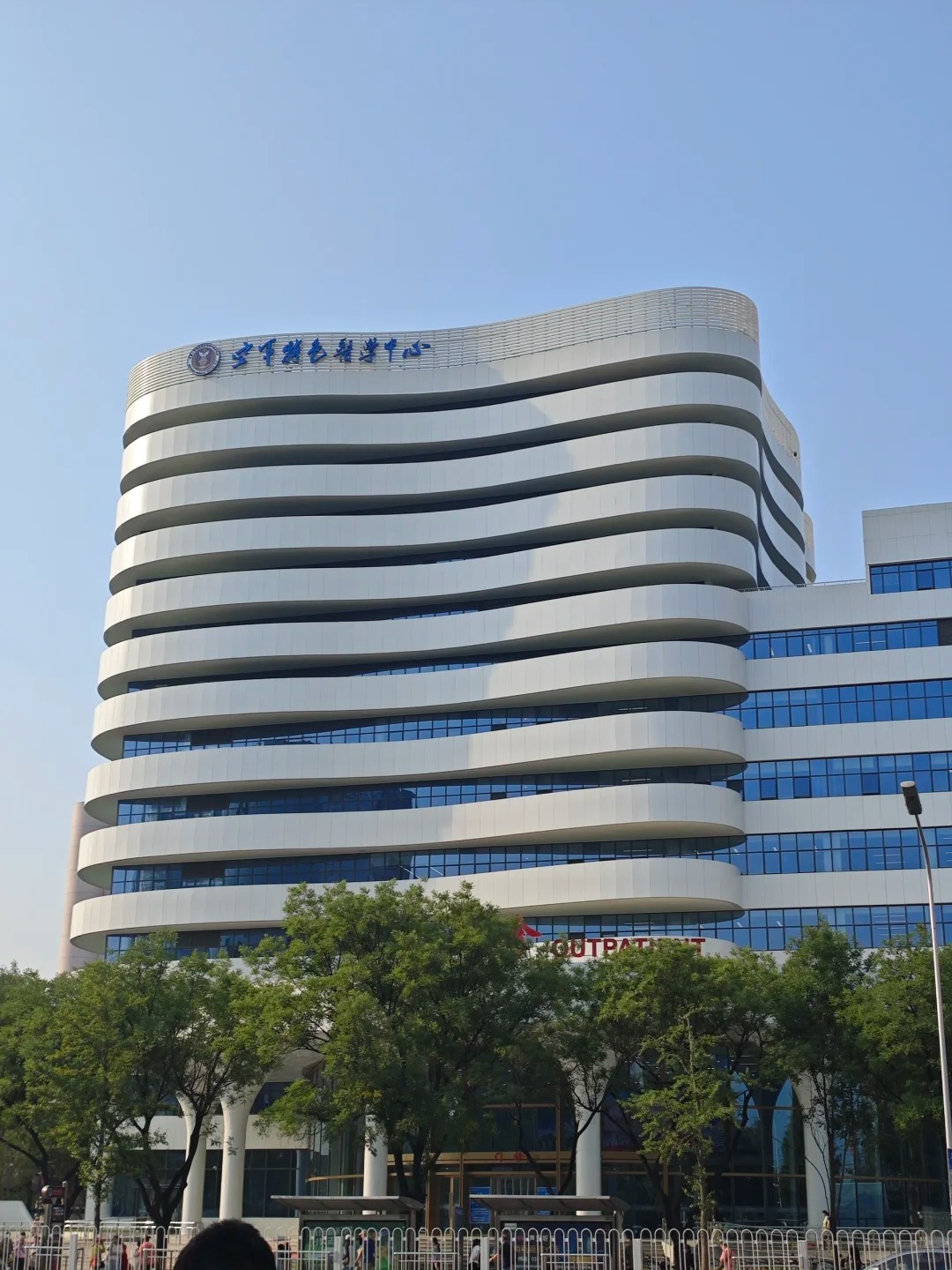
Air Force Medical Center, PLA
Established in 1956, the Air Force Medical Center of the Chinese People's Liberation Army (formerly the Air Force General Hospital) is a comprehensive Class A tertiary hospital integrating clinical care, scientific research, education, and medical support. The center maintains a leading national position and high technical expertise in fields such as dermatology, integrated Chinese and Western medicine orthopedics (bone-setting), and aerospace medicine. Its Dermatology and Orthopedics departments are designated as key disciplines by the National Administration of Traditional Chinese Medicine. To meet the needs of international and high-end medical services, the center provides a dedicated 'green channel' through its Special Medical Center (VIP Clinic). Compared to top specialty hospitals in Europe and the United States, international patients can significantly reduce waiting times for renowned specialists while accessing authoritative treatment plans from national key disciplines at a highly competitive cost.
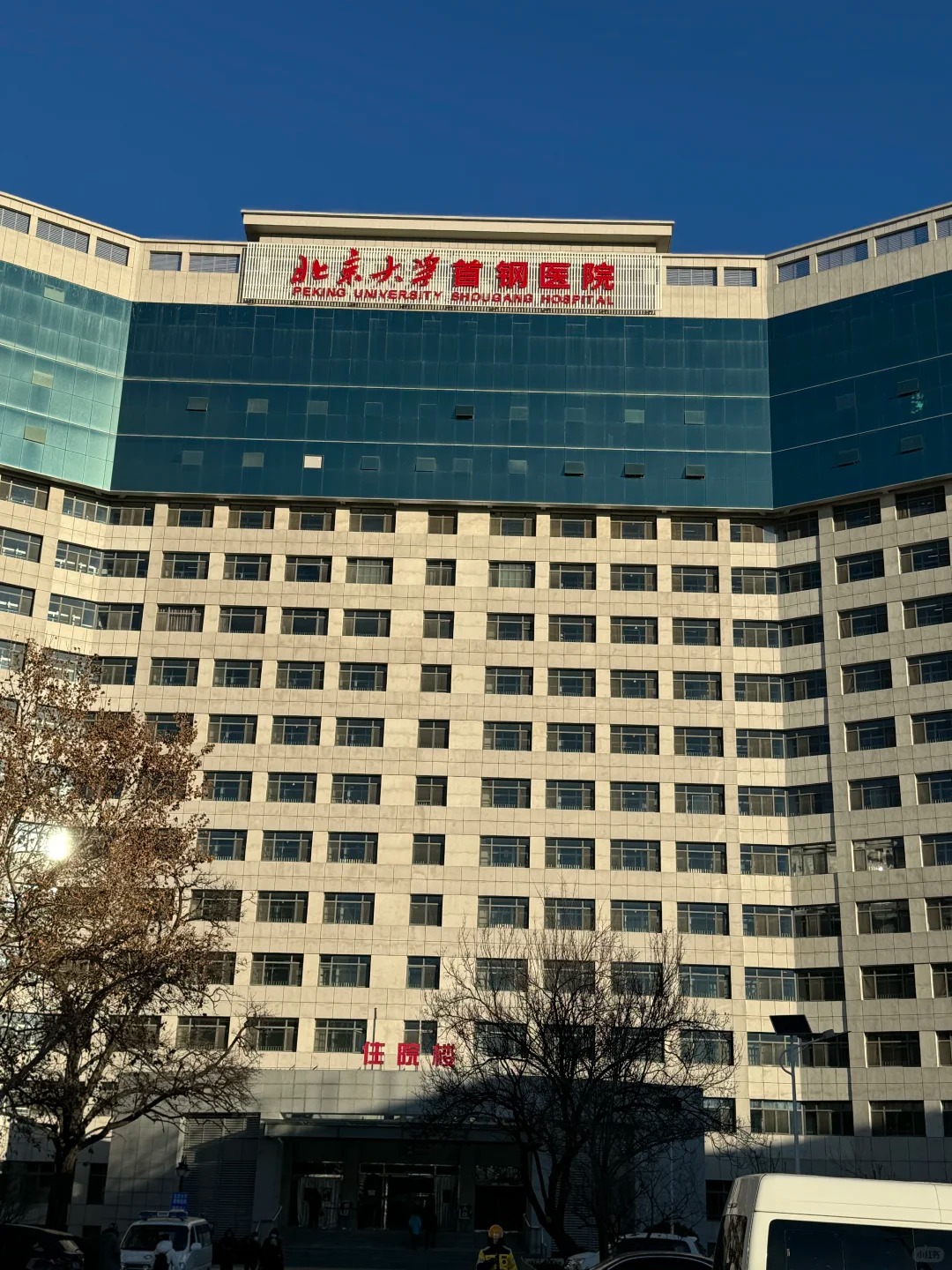
Peking University Shougang Hospital
Founded in 1949, Peking University Shougang Hospital is a large-scale Class A tertiary comprehensive hospital integrating medical care, education, research, and preventive medicine. As an affiliated hospital of Peking University, it maintains significant clinical expertise in gastrointestinal surgery, urology, orthopedics, and hospice care. The hospital established the first hospice care center within a tertiary hospital in China and has introduced advanced medical technologies, including single-port robotic surgical systems and TOMO helical tomotherapy. Furthermore, its 'Shougang Model' for cardiovascular chronic disease prevention and control has received recognition from the World Health Organization.
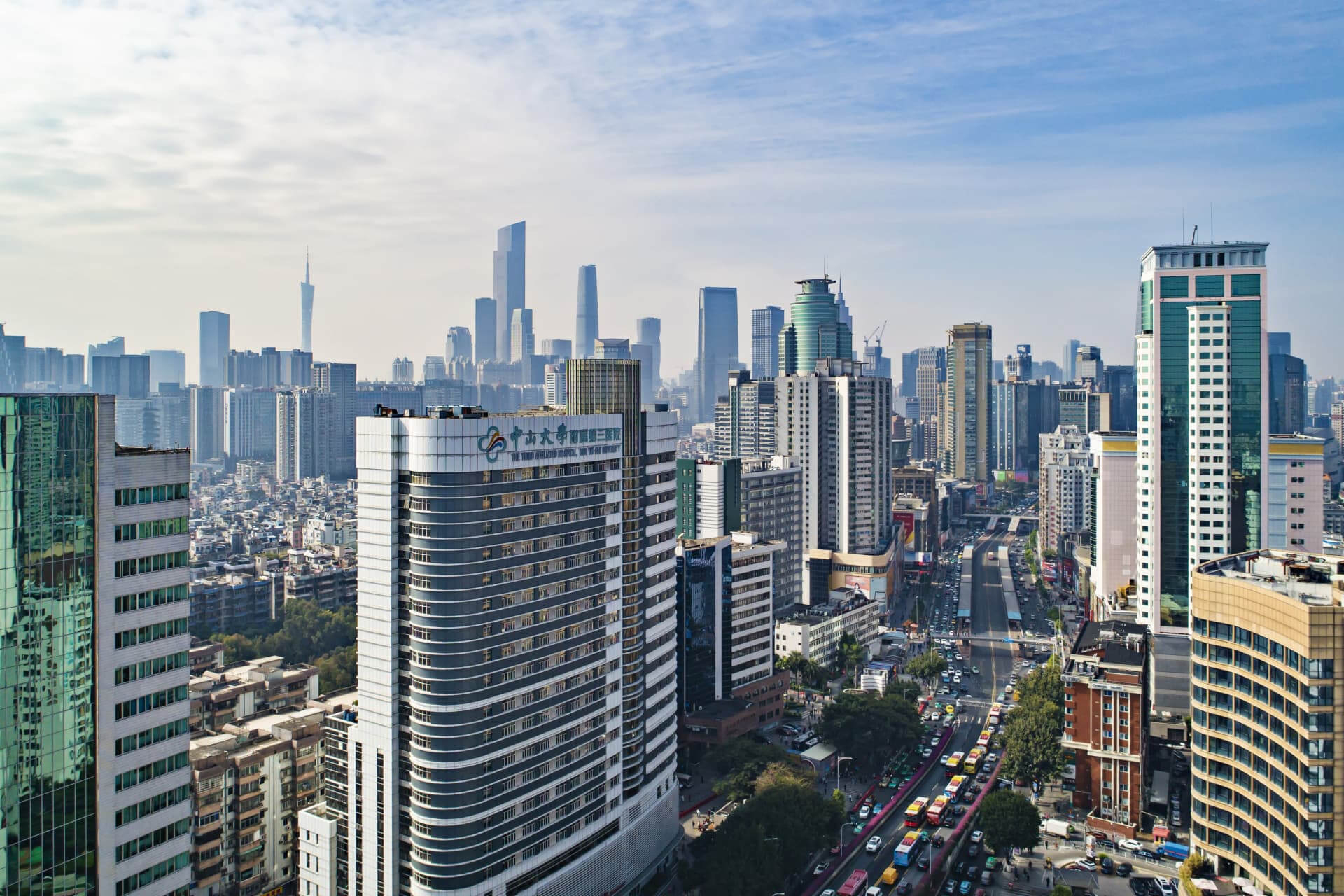
The Third Affiliated Hospital of Sun Yat-sen University
Founded in 1971, The Third Affiliated Hospital of Sun Yat-sen University (SYSU-3) is a comprehensive Class A tertiary hospital directly under the National Health Commission. The hospital is renowned both domestically and internationally for its specialized expertise in liver diseases, neurological disorders, and the treatment of complex and critical conditions. It operates four campuses—Tianhe, Luogang, Eastern Guangdong, and Zhaoqing—forming a strategic multi-campus development model. As a provider for the National Regional Medical Center project, the hospital maintains leading national positions in hepatology (liver transplantation, severe hepatitis treatment), brain sciences (childhood autism, minimally invasive spine surgery, neuroimmunology), and immune-related diseases. The institution hosts 5 national key disciplines (General Surgery, Endocrinology, Neurology, Nephrology, and Otolaryngology) and 13 national clinical key specialty construction projects.
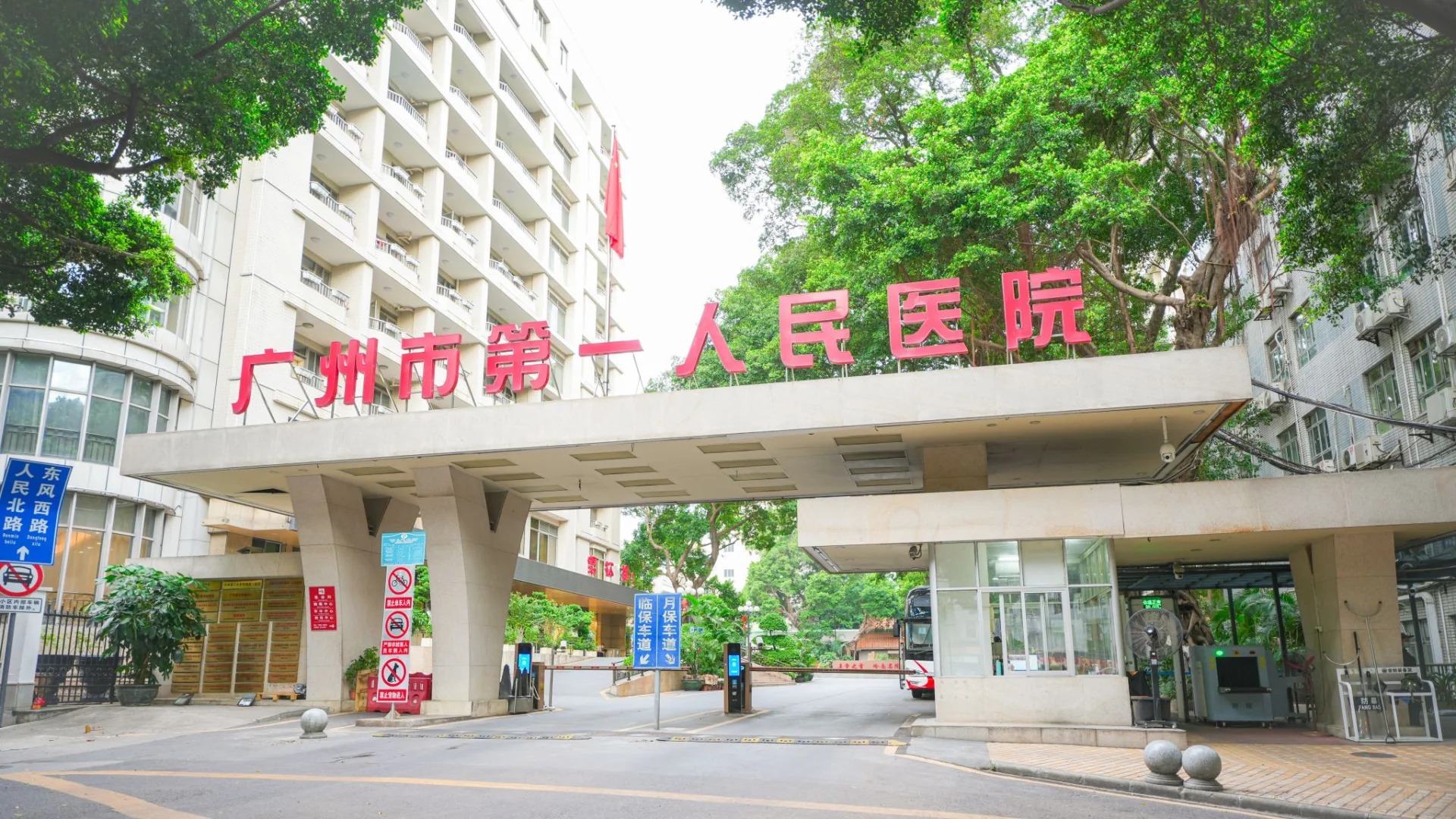
Guangzhou First People's Hospital
Guangzhou First People's Hospital (The Second Affiliated Hospital of South China University of Technology), established in 1899, was among the first group of hospitals in Guangdong Province to be recognized as a Class A tertiary hospital. The institution comprises the Main Campus, Nansha Hospital, and Hedong Branch, and houses the renowned Guangzhou Digestive Disease Center. Gastroenterology and Geriatrics are designated as National Key Clinical Specialties, while Gastroenterology is also a Medical Key Discipline of Guangdong Province. The hospital is equipped with advanced medical technology, including the Da Vinci Surgical System and 3.0T MRI, and operates a research and translation center at the Guangzhou International Bio Island.
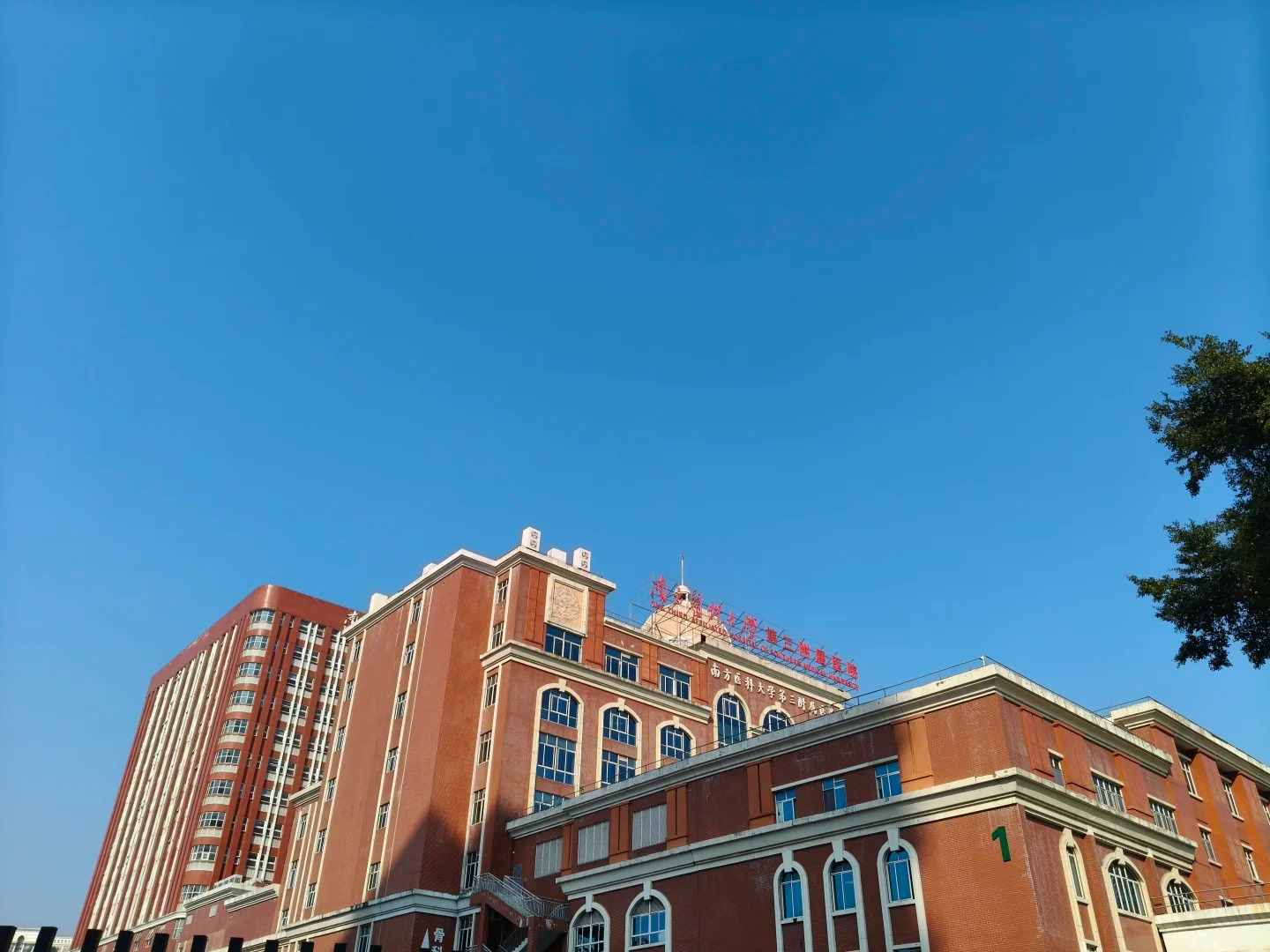
The Third Affiliated Hospital of Southern Medical University
The Third Affiliated Hospital of Southern Medical University (Guangdong Provincial Institute of Orthopedics, Guangdong Provincial Orthopedic Hospital) is a comprehensive Class A tertiary hospital integrating medical care, education, and research. As the designated Guangdong Provincial Orthopedic Hospital, it possesses significant clinical strength in orthopedics, which is recognized as a National Key Cultivation Discipline and a High-level Clinical Key Specialty of Guangdong Province. The department features eight sub-specialties, including spine, joint, and trauma surgery, and served as the host for the SICOT World Orthopaedic Congress. The hospital maintains a leading national position in medical 3D printing applications, minimally invasive spinal surgery, joint replacement, and sports medicine.
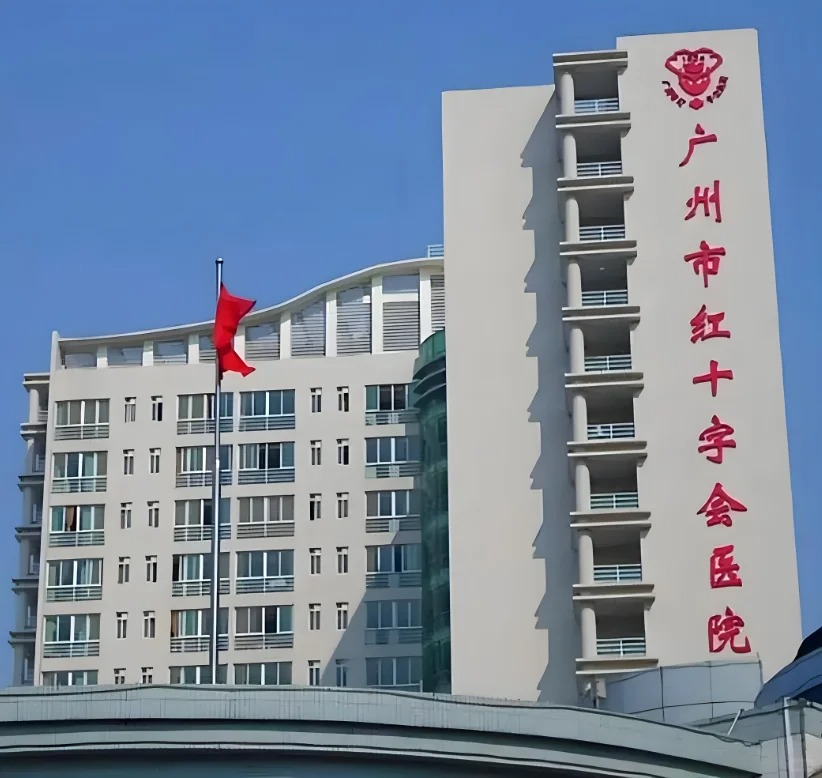
Guangzhou Red Cross Hospital
Founded in 1904, Guangzhou Red Cross Hospital (Guangzhou Red Cross Hospital Affiliated to Jinan University) is a public Class A tertiary general hospital integrating medical care, teaching, research, prevention, healthcare, rehabilitation, and emergency rescue. As the designated emergency hospital of Guangzhou, it maintains significant technical expertise in trauma surgery, burn and plastic surgery, and critical care medicine. The Department of Burn and Plastic Surgery is a National Key Clinical Specialty, with its treatment of severe burns reaching internationally recognized standards. The hospital houses the Guangzhou Institute of Trauma Surgery and serves as the Guangzhou Trauma and Burn Treatment Base.
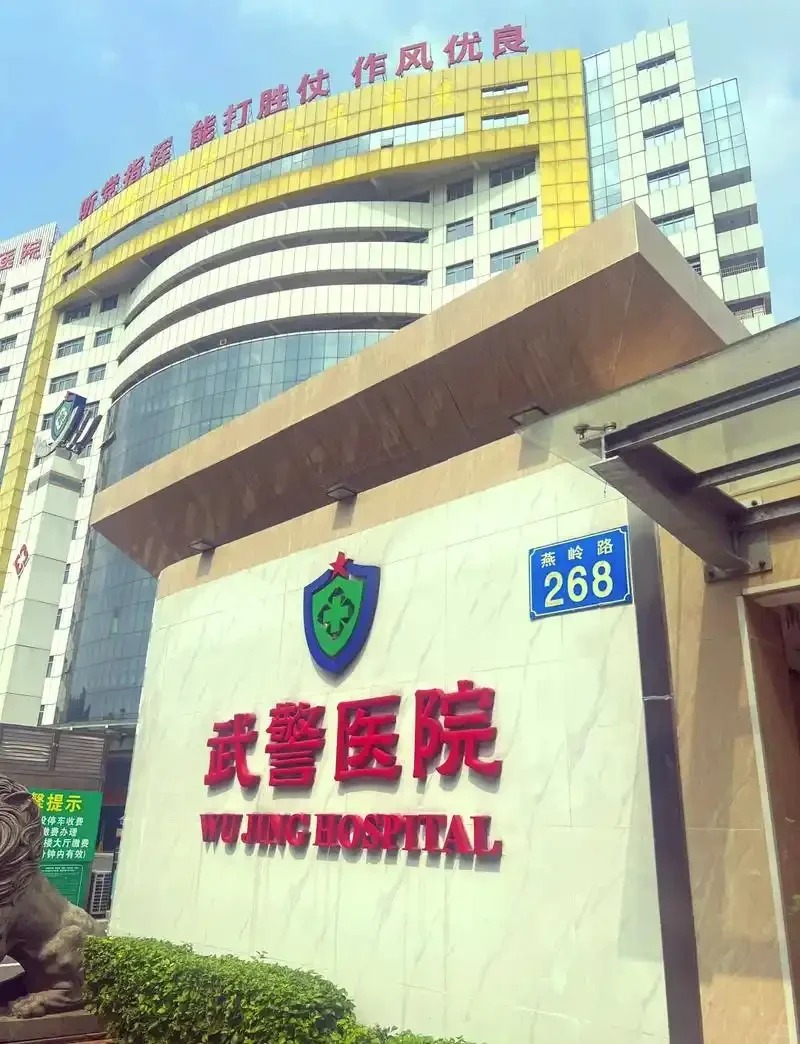
Guangdong Provincial Corps Hospital of the Chinese People's Armed Police Forces
Established in 1983, the Guangdong Provincial Corps Hospital of the Chinese People's Armed Police Forces (PAP) is a modern comprehensive Class A tertiary hospital integrating medical care, scientific research, teaching, prevention, healthcare, and rehabilitation. Located in the Tianhe District of Guangzhou, the hospital enjoys convenient transportation access near the entrances of the Guangzhou-Shantou and Guangzhou-Shenzhen Expressways. As a medical center for the PAP, it houses several authoritative institutions, including the PAP Institute of Emergency Surgery, the PAP Institute of Otorhinolaryngology, and the PAP Technical Center for Family Planning and Eugenics. The hospital maintains significant technical advantages in trauma emergency care, ENT, orthopedics, and minimally invasive surgery, with extensive experience in emergency rescue for public health incidents.