
Top Hospitals in China
Book top-ranked medical institutions in China. Reference costs, not promises; we add zero markup to your hospital bill.
verified_user Independent patient coordination. Zero hospital markups. Not medical advice.
41 hospitals found
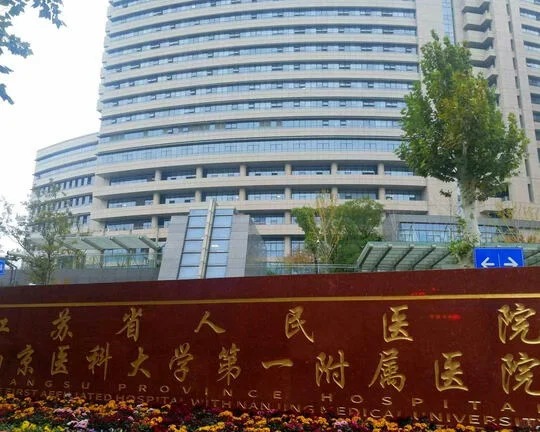
Jiangsu Provincial People's Hospital

Jiangsu Provincial People's Hospital (The First Affiliated Hospital of Nanjing Medical University, Jiangsu Maternal and Child Health Hospital) is one of the largest general Class A tertiary hospitals in Jiangsu Province, with the most comprehensive range of clinical specialties and strong capabilities in the treatment of complex and critical cases. It has long served as a regional medical center. The hospital focuses on cardiology, cardiovascular and thoracic surgery, organ transplantation, nephrology, gastroenterology, oncology, obstetrics and gynecology, critical care medicine, imaging, and interventional procedures. It has clear strengths in complex surgery, critical care, multidisciplinary team (MDT) care, and referral management for difficult cases within the province. The hospital typically has relatively strong international medical and special care service capabilities and can provide support for cross-border patients with appointment scheduling, interpretation, diagnostic coordination, and inpatient arrangements.
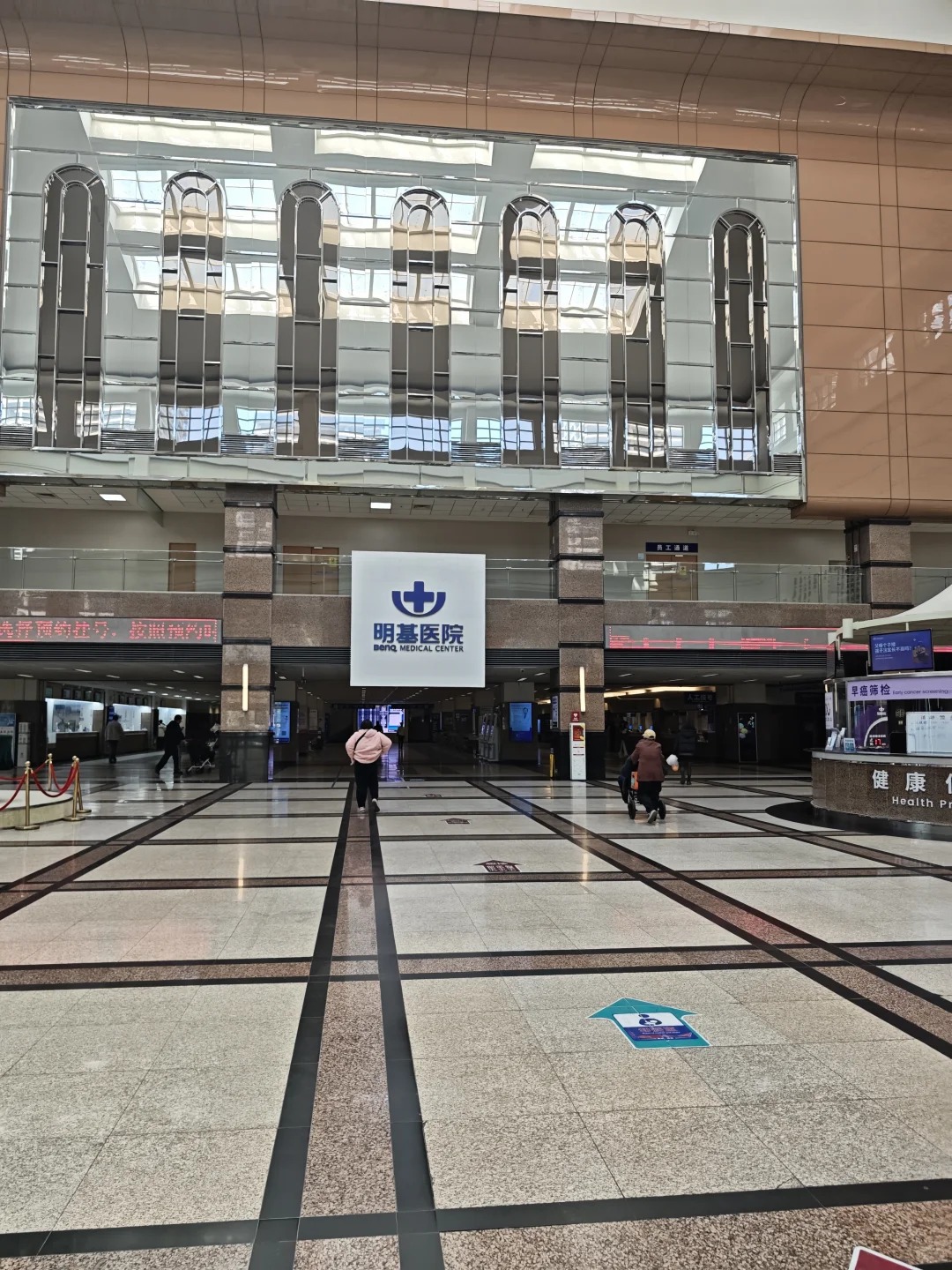
Nanjing BenQ Hospital
Nanjing BenQ Hospital is a comprehensive hospital in Nanjing, Jiangsu Province, providing diagnosis and treatment services through modern medical management and a multidisciplinary collaboration model. Public information indicates that it has strong overall outpatient and inpatient care capabilities in oncology, cardiovascular medicine, orthopedics, gastroenterology, obstetrics and gynecology, imaging, and health management, with an emphasis on minimally invasive care, precision diagnosis and treatment, and integrated services. Its strengths are mainly reflected in multidisciplinary consultations, structured nursing workflows, an international service system, and well-developed laboratory and imaging support, making it suitable for patients who place high value on care efficiency, continuity of management, and service experience.
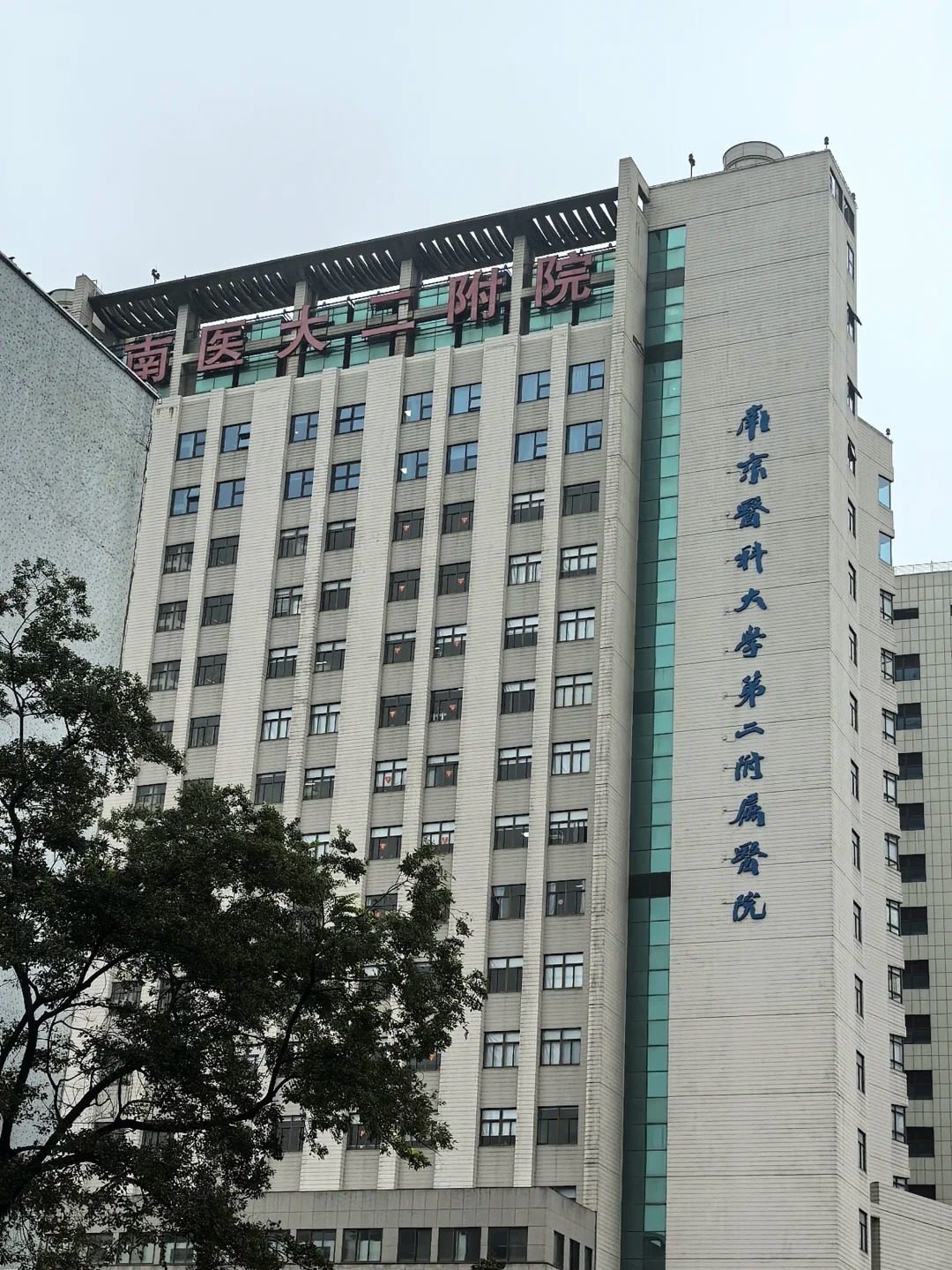
The Second Affiliated Hospital of Nanjing Medical University
The Second Affiliated Hospital of Nanjing Medical University (also known as Jiangsu Provincial Second Hospital of Traditional Chinese Medicine / one of the regional Class A tertiary hospitals within the Second Affiliated Hospital system of Nanjing Medical University) has its main clinical strengths in general internal medicine, surgery, emergency and critical care, orthopedics, neurology, digestive diseases, geriatric medicine, and chronic disease management. The hospital has strong multidisciplinary care capabilities. Drawing on the teaching and research resources of the medical university, it has long undertaken clinical teaching, standardized residency training, and research translation responsibilities, and has a high level of localized service capacity in common diseases, frequently occurring diseases, complex comorbidities, and the comprehensive care of older adults. For cross-border patients, its advantages are mainly reflected in integrated regional care coordination, relatively accessible outpatient and emergency services, and a more complete Chinese-language medical service system. However, publicly verifiable information on specialized international centers and international accreditations such as JCI is insufficient, so its international competitiveness should not be overstated.
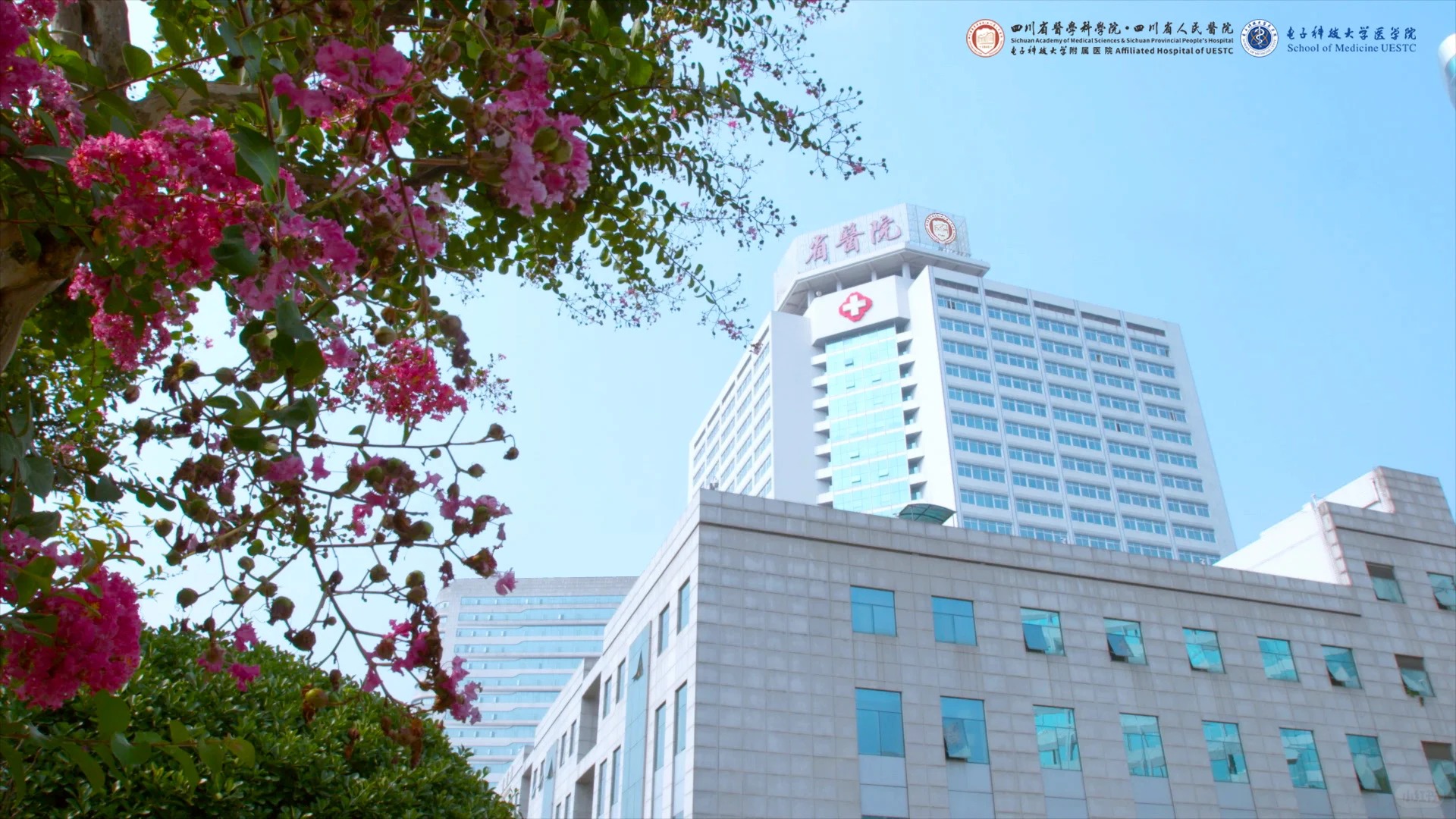
Sichuan Provincial People's Hospital
Sichuan Provincial People's Hospital is one of the leading Class A tertiary general hospitals in Southwest China. It has a comprehensive range of specialties and strong overall capabilities in emergency and critical care, cardiovascular disease, neurological disorders, oncology, organ transplantation, minimally invasive surgery, maternal and child health, and geriatric medicine. Supported by multiple hospital campuses and coordinated regional medical alliances, the hospital has built an integrated service system covering diagnosis and treatment, education, research, prevention, and rehabilitation. It has a high level of technical capacity in complex high-difficulty surgery, the treatment of difficult and severe cases, multidisciplinary MDT care, and accepting regional referrals.
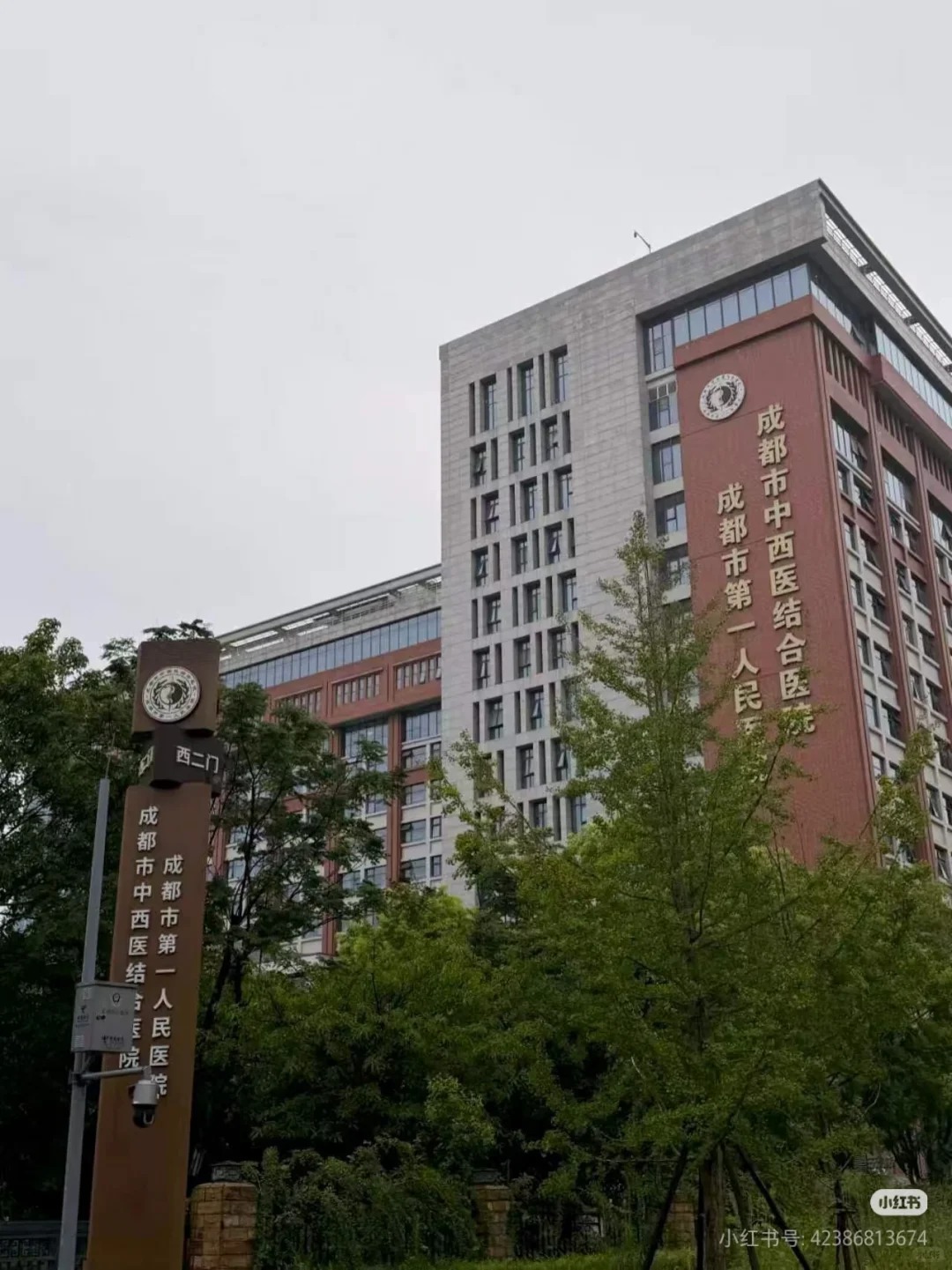
Chengdu First People's Hospital
Chengdu First People's Hospital was founded in 1896 and is one of Chengdu's long-established public Class A tertiary hospitals with strong overall clinical capabilities. The hospital has a solid specialty foundation in emergency and critical care, cardiovascular and cerebrovascular diseases, digestive diseases, orthopedics and minimally invasive surgery, geriatric medicine, and integrated oncology diagnosis and treatment. It continues to advance multidisciplinary care, same-day surgery, minimally invasive techniques, precision diagnosis and treatment, and smart hospital development. As one of the regional medical centers, its strengths include managing a large volume of complex and difficult cases, with relatively well-developed clinical pathways, emergency care systems, and comprehensive referral capabilities.
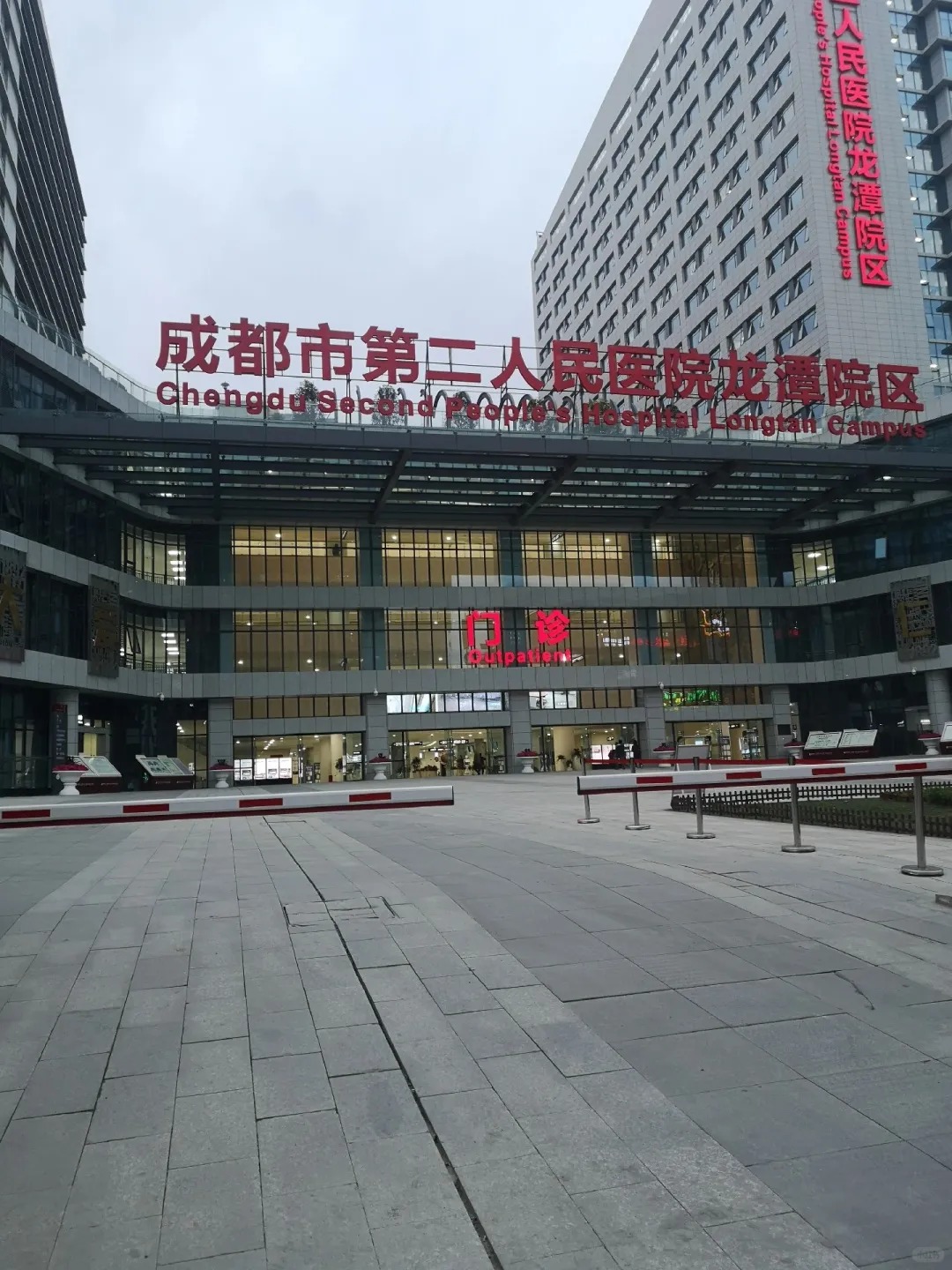
Chengdu Second People's Hospital
Chengdu Second People's Hospital is a long-established general hospital with strong clinical diagnosis and treatment capabilities, as well as regional medical service capacity. Because current online verification of the latest official public data is not available, the hospital's specialty strengths, technical capabilities, and operational indicators can only be conservatively entered as known historical information and items requiring verification. From the perspective of regional healthcare supply, it typically provides diagnosis and treatment for common and frequently occurring conditions, as well as some complex and severe cases. In specialty development, public Class A tertiary hospitals generally build comprehensive collaborative capabilities around emergency care, internal medicine, surgery, obstetrics and gynecology, pediatrics, critical care medicine, imaging, and laboratory testing. In terms of international competitiveness, if there is no publicly available information confirming an international medical center or multilingual outpatient services, it is more suitable for local and nearby patients rather than as a primary option for cross-border high-end medical care.
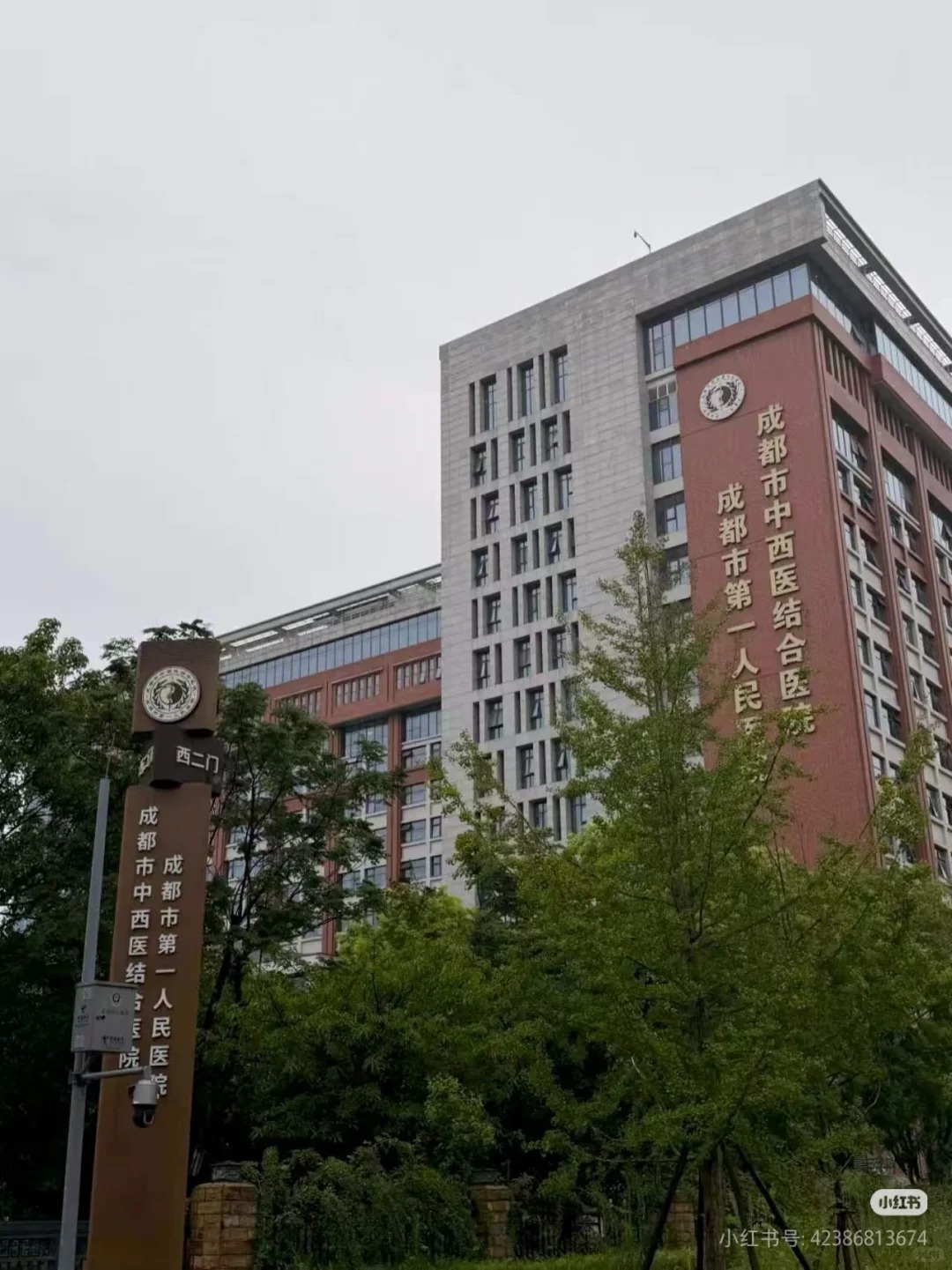
Chengdu Hospital of Integrated Traditional Chinese and Western Medicine
Chengdu Hospital of Integrated Traditional Chinese and Western Medicine is a comprehensive hospital integrating medical care, teaching, research, rehabilitation, and preventive healthcare. It emphasizes integrated Traditional Chinese and Western medicine services, covering multidisciplinary collaborative treatment scenarios such as internal medicine, surgery, gynecology, orthopedics, acupuncture and tuina, and rehabilitation medicine. Its core strengths are typically reflected in the integrated management of chronic diseases, postoperative rehabilitation, pain treatment, sub-health management, and the comprehensive application of TCM特色外治法. It is suitable for patients who need long-term management and individualized treatment plans. As the latest publicly available operational and academic indicators cannot currently be verified online, the above core quantitative data are temporarily set to 0.
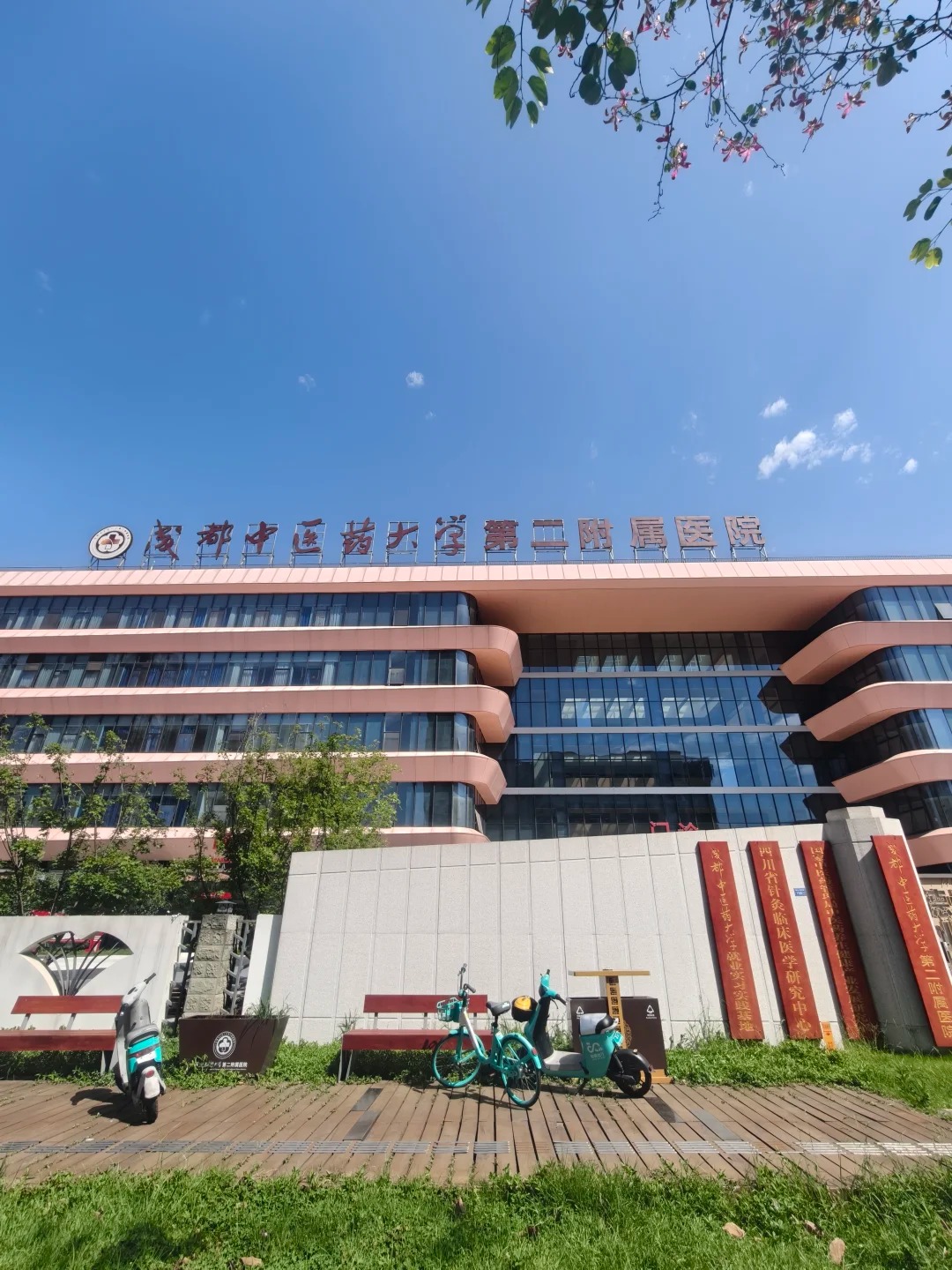
Hospital Affiliated with Chengdu University of Traditional Chinese Medicine
The Hospital Affiliated with Chengdu University of Traditional Chinese Medicine is a comprehensive Class A tertiary traditional Chinese medicine hospital centered on the strengths of traditional Chinese medicine. It typically has substantial experience in acupuncture and tuina, orthopedics and trauma, spleen and stomach disorders, pulmonary diseases, oncology, gynecology, pediatrics, preventive treatment, and classical TCM diagnosis and treatment. Its competitive advantages mainly come from accumulated TCM clinical pathways, a heritage system for renowned senior TCM physicians, diagnostic and treatment capabilities integrating acupuncture, tuina, and traditional Chinese and Western medicine, as well as multidisciplinary collaborative care built around conditions where TCM has particular strengths. As current, verifiable, publicly available authoritative sources have not consistently confirmed the latest operational and ranking data, the quantifiable values in the above indicators are treated as 0.
Peking University Third Hospital
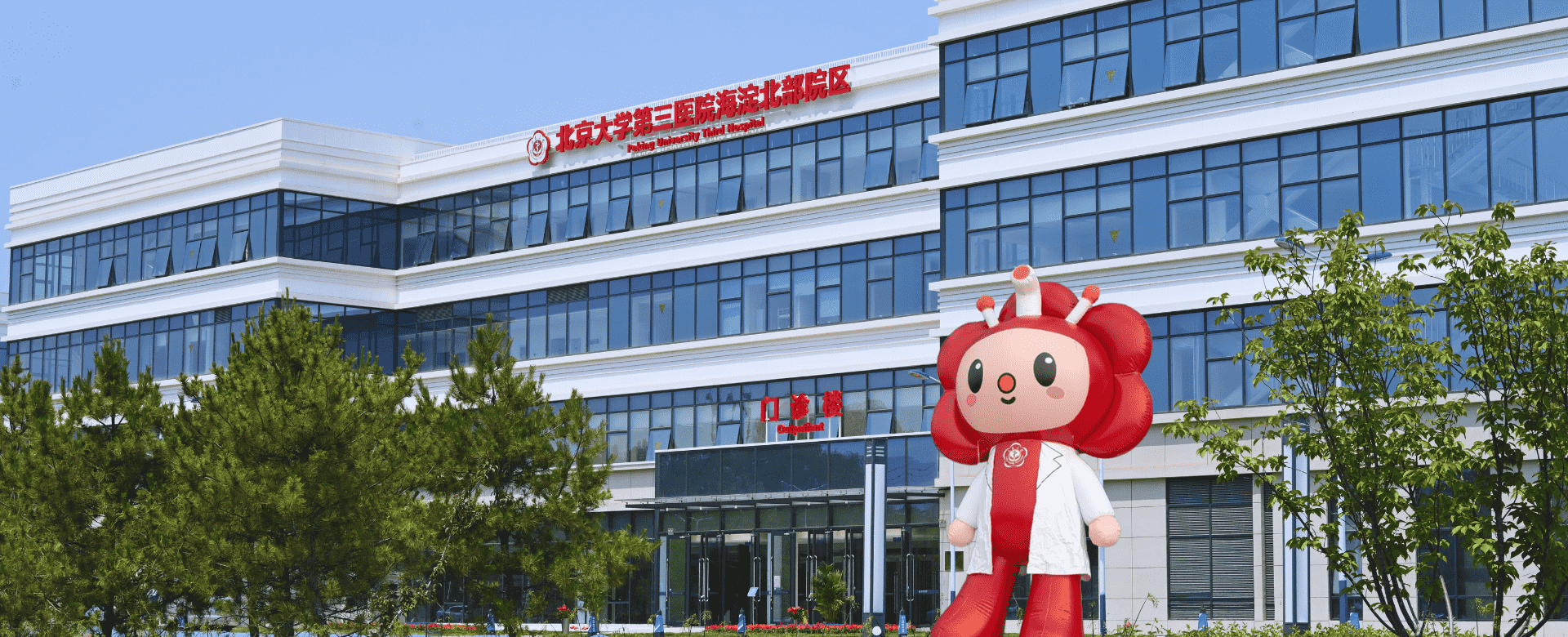
Founded in 1958, Peking University Third Hospital (PUTH) is a modern, comprehensive Class A tertiary hospital under the National Health Commission, integrating medical care, education, research, and preventive care. The hospital is internationally recognized in fields such as reproductive medicine, orthopedics, ophthalmology, gastroenterology, and sports medicine. Its Reproductive Medicine Center is the birthplace of China's first IVF baby and maintains highly advanced technical capabilities. The Orthopedics and Sports Medicine Centers are National Key Clinical Specialties, regularly undertaking the treatment of national athletes and complex spinal surgeries. As an official designated hospital for both the 2008 Beijing Summer Olympics and the 2022 Winter Olympics, PUTH demonstrates exceptional standards in emergency medical response and refined management.
Beijing Geriatric Hospital
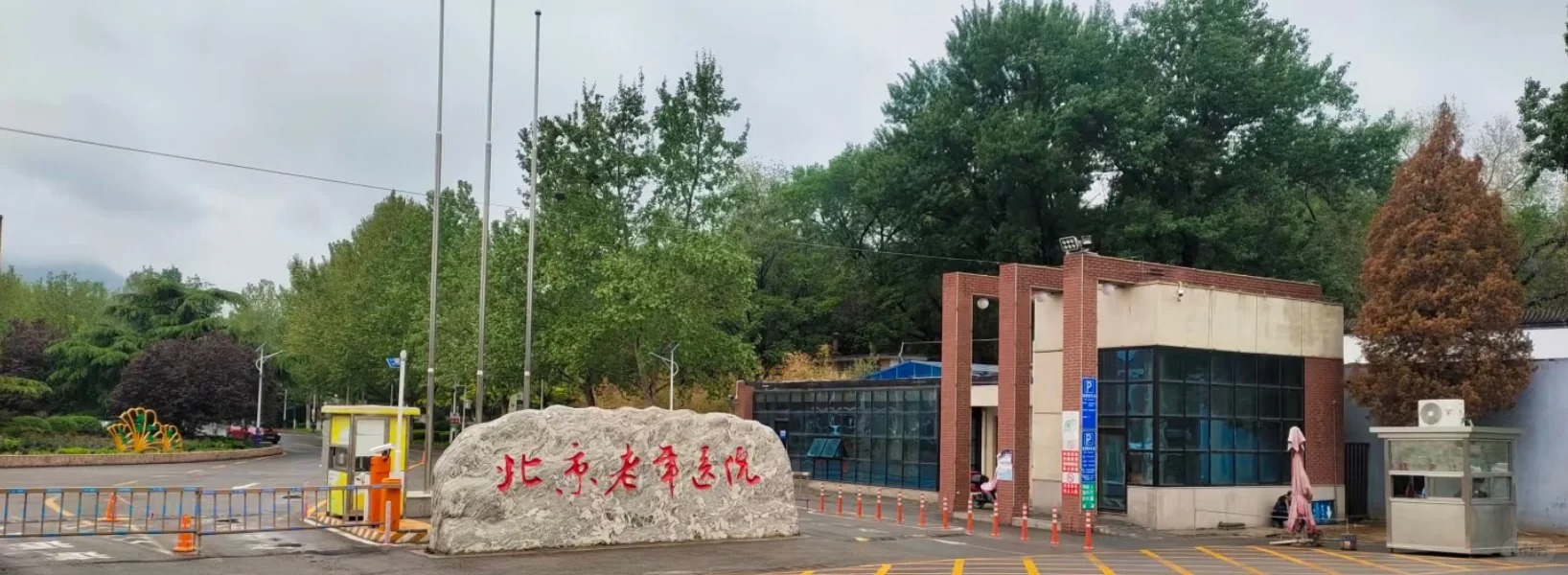
Beijing Geriatric Hospital (formerly Beijing Chest Hospital established in 1949) is a municipal Class A tertiary general hospital and serves as the clinical research base for geriatric diseases for the Institute of Biophysics, Chinese Academy of Sciences. The hospital maintains significant clinical expertise in Comprehensive Geriatric Assessment (CGA), multidisciplinary management (MDT) of geriatric comorbidities, Alzheimer's disease care, geriatric rehabilitation, and palliative care. As a leader in geriatric medicine in China, the hospital has established a life-cycle care system aligned with international standards. It offers distinct advantages in reducing polypharmacy risks and shortening postoperative recovery cycles for elderly international patients, providing comprehensive health security for both domestic and international patients.