
Top Hospitals in China
Book top-ranked medical institutions in China. Reference costs, not promises; we add zero markup to your hospital bill.
verified_user Independent patient coordination. Zero hospital markups. Not medical advice.
41 hospitals found
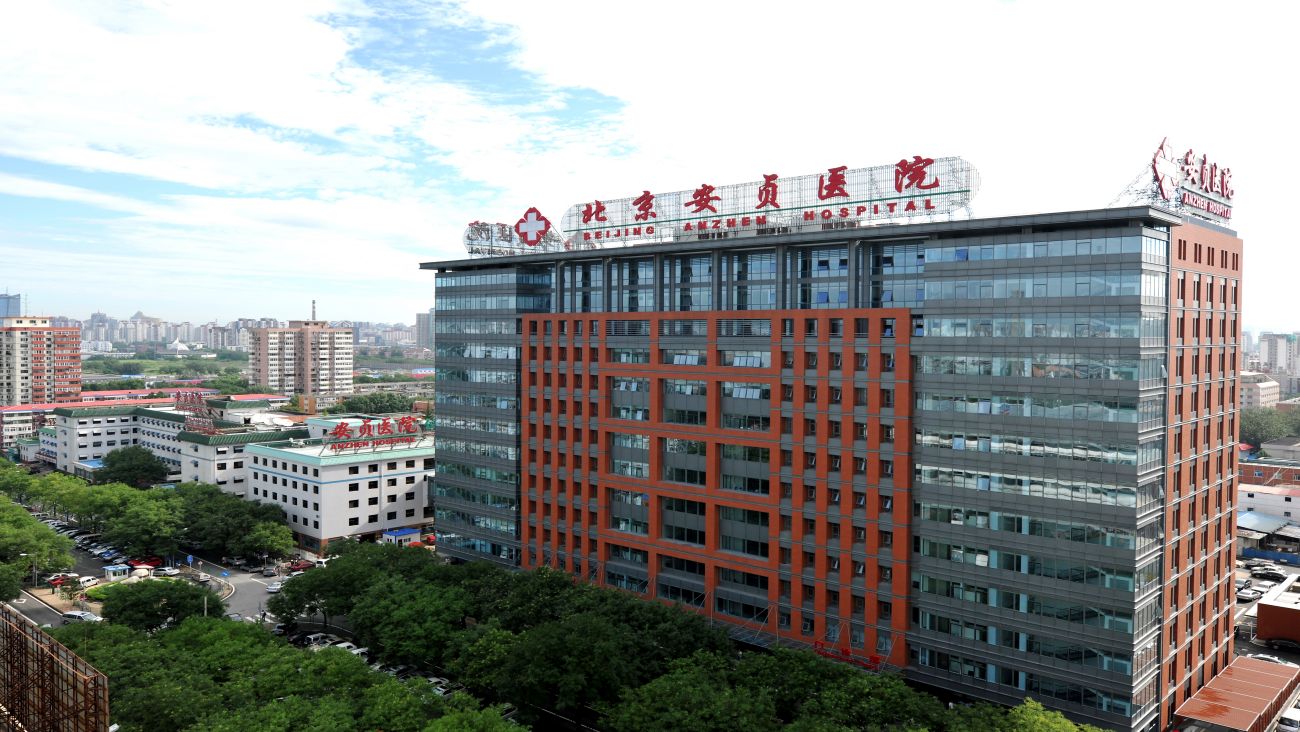
Beijing Anzhen Hospital, Capital Medical University

Beijing Anzhen Hospital, Capital Medical University, is a Class A tertiary comprehensive hospital specializing in the treatment of cardiovascular and pulmonary diseases, integrating clinical care, education, scientific research, prevention, and international exchange. As the National Clinical Research Center for Cardiovascular Diseases, the hospital maintains a leading international position in fields such as heart transplantation, macrovascular surgery, and coronary artery intervention. With the official opening of the Tongzhou Campus in 2024, the hospital has further enhanced its capacity and research translation efficiency as a major cardiac medical center.
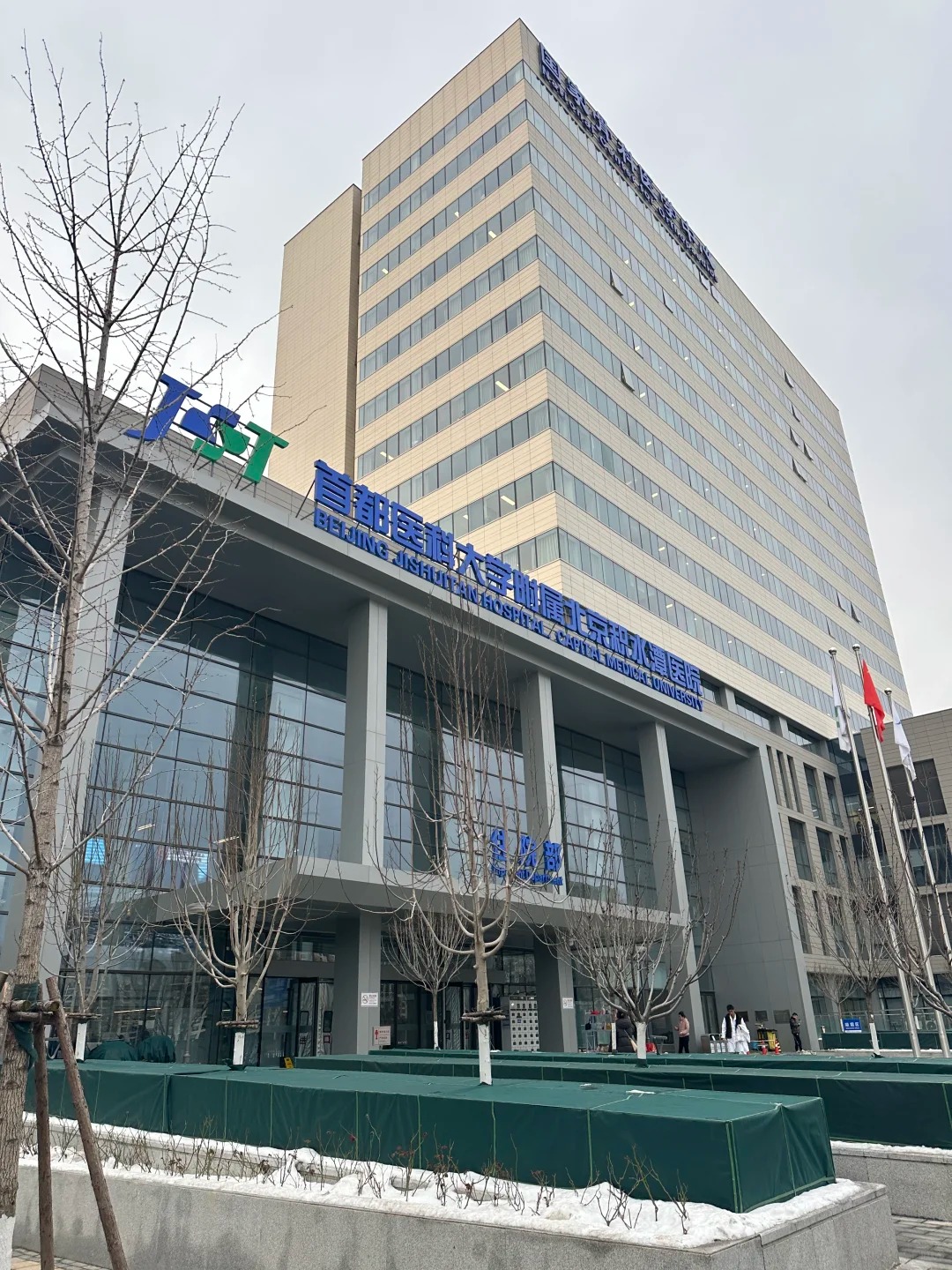
Beijing Jishuitan Hospital
Beijing Jishuitan Hospital is a comprehensive Class A tertiary hospital specializing in orthopedics and burn surgery. As the Fourth Clinical Medical College of Peking University, its orthopedic department has consistently ranked first in China for comprehensive strength. The hospital operates three campuses—Xinjiekou, Huilongguan, and Xinlongze—and serves as the National Center for Orthopaedics. It maintains an international leadership position in spinal surgery, joint surgery, orthopedic trauma, and computer-assisted orthopedic surgery (surgical robotics), holding numerous international patents for cutting-edge medical technologies.
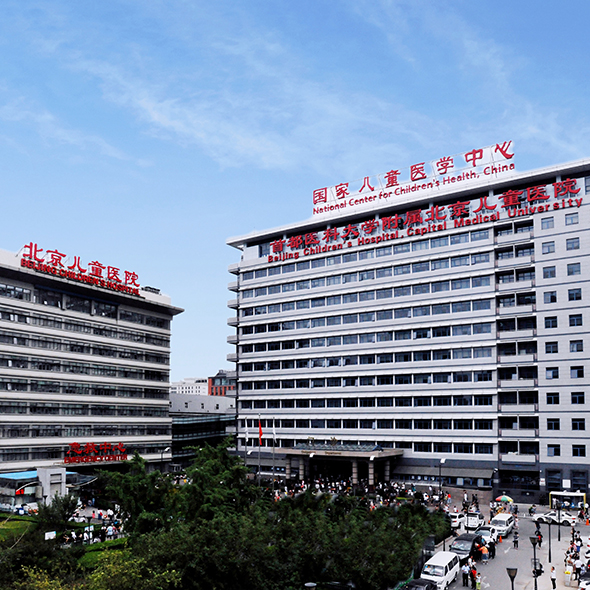
Beijing Children's Hospital, Capital Medical University
Beijing Children's Hospital, Capital Medical University, is a Class A tertiary comprehensive pediatric hospital integrating medical care, scientific research, teaching, and health promotion. It originated from the Peiping Private Children's Hospital founded in 1942 by Academician Zhu Futang, the founder of modern pediatrics in China. As one of the first National Children's Medical Centers, the hospital maintains significant technical expertise and leading standards in specialties such as pediatric hematology-oncology, respiratory medicine, critical care, and pediatric surgery. It serves as a premier academic institution for Chinese pediatrics and a national referral center for complex and severe pediatric cases.
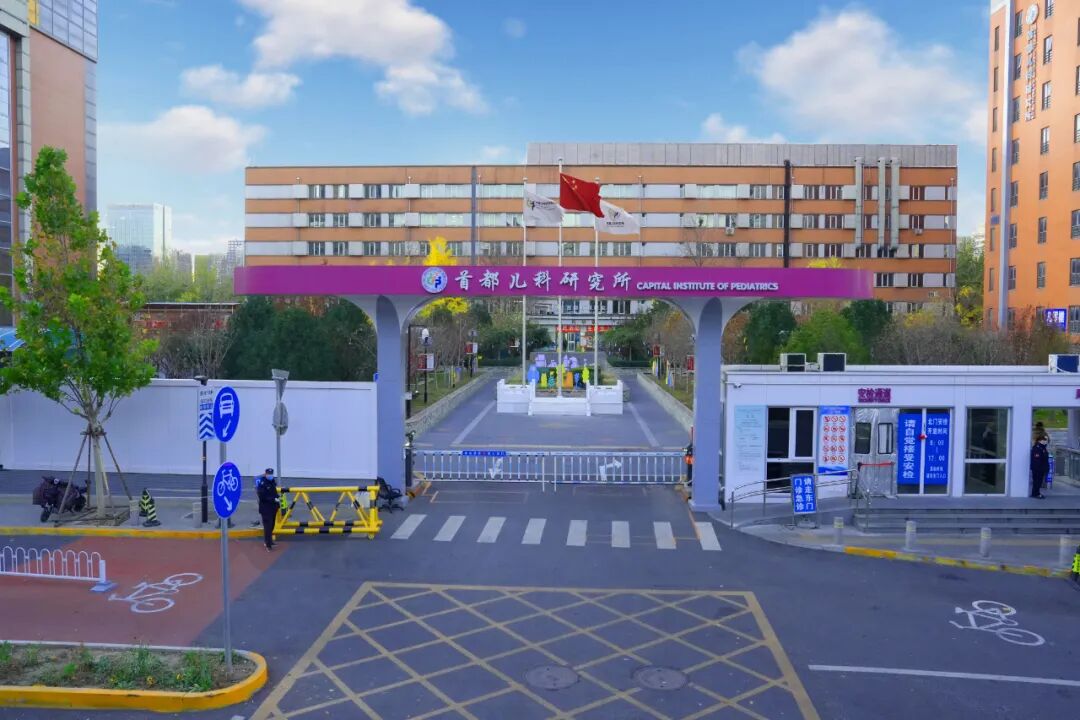
Capital Institute of Pediatrics
Established in 1958, the Capital Institute of Pediatrics (CIP) was the first pediatric research institution in the People's Republic of China. Its affiliated children's hospital is a Class A tertiary hospital, serving as an authoritative institution integrating basic pediatric research, clinical diagnosis and treatment, higher education, and preventive healthcare. The hospital maintains significant academic expertise and technical capabilities in pediatric respiratory medicine, asthma, infectious diseases, critical care medicine, and pediatric surgery. It leads numerous national key research projects and provides advanced diagnostic and therapeutic solutions for children with complex and critical conditions.
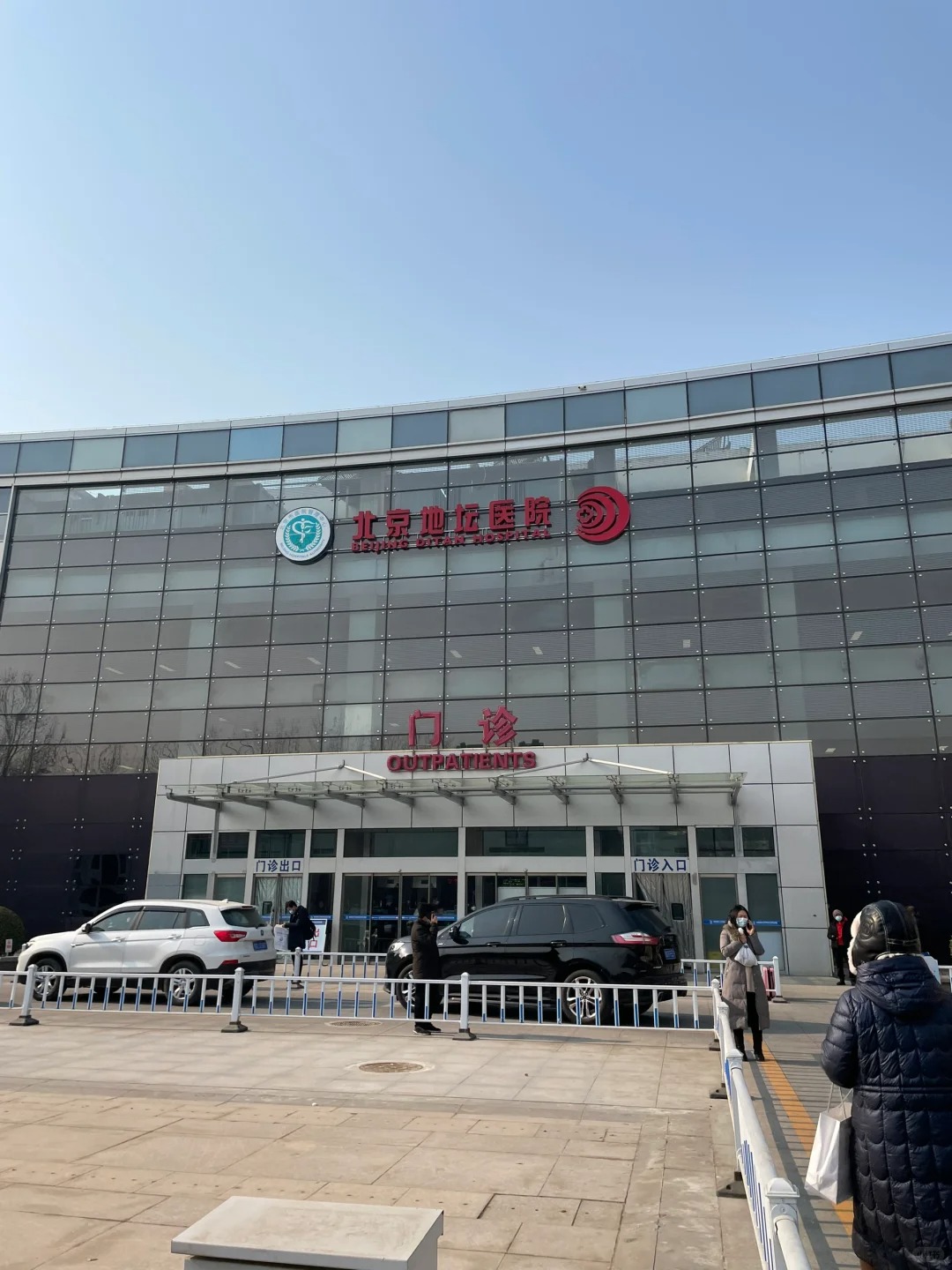
Beijing Ditan Hospital, Capital Medical University
Founded in 1946, Beijing Ditan Hospital, Capital Medical University (National Center for Infectious Diseases) is a Class A tertiary hospital with infectious diseases as its core specialty and competitive strength. The hospital maintains international standards in the diagnosis and treatment of severe liver diseases, HIV/AIDS and its complications, autoimmune liver diseases, central nervous system infections, and various emerging infectious diseases (such as COVID-19 and Ebola). As a primary host institution of the National Center for Infectious Diseases, Ditan Hospital features top-tier Biosafety Level 3 (P3) laboratories and advanced microecology/pathogen detection platforms. Its core clinical advantages lie in a multidisciplinary collaborative rescue system and a critical care emergency network for complex and severe infectious cases, making it an authoritative destination for international patients seeking high-level treatment for infectious and hepatic diseases.

Guangdong Provincial Hospital of Traditional Chinese Medicine
Founded in 1933, Guangdong Provincial Hospital of Traditional Chinese Medicine (The Second Affiliated Hospital of Guangzhou University of Chinese Medicine) is one of the oldest and largest TCM institutions in China. It has consistently ranked first on the 'National TCM Hospital Competitiveness List' for 10 consecutive years. The hospital features a distinguished team of experts, including members of the Chinese Academy of Engineering and Masters of Traditional Chinese Medicine. It serves as a national clinical research base for TCM and hosts multiple national-level key specialties. The hospital is recognized for its integrated Chinese and Western medicine approach in critical care, cardiovascular diseases, encephalopathy, and oncology. Its laboratory was the first in China to receive ISO 15189 accreditation.
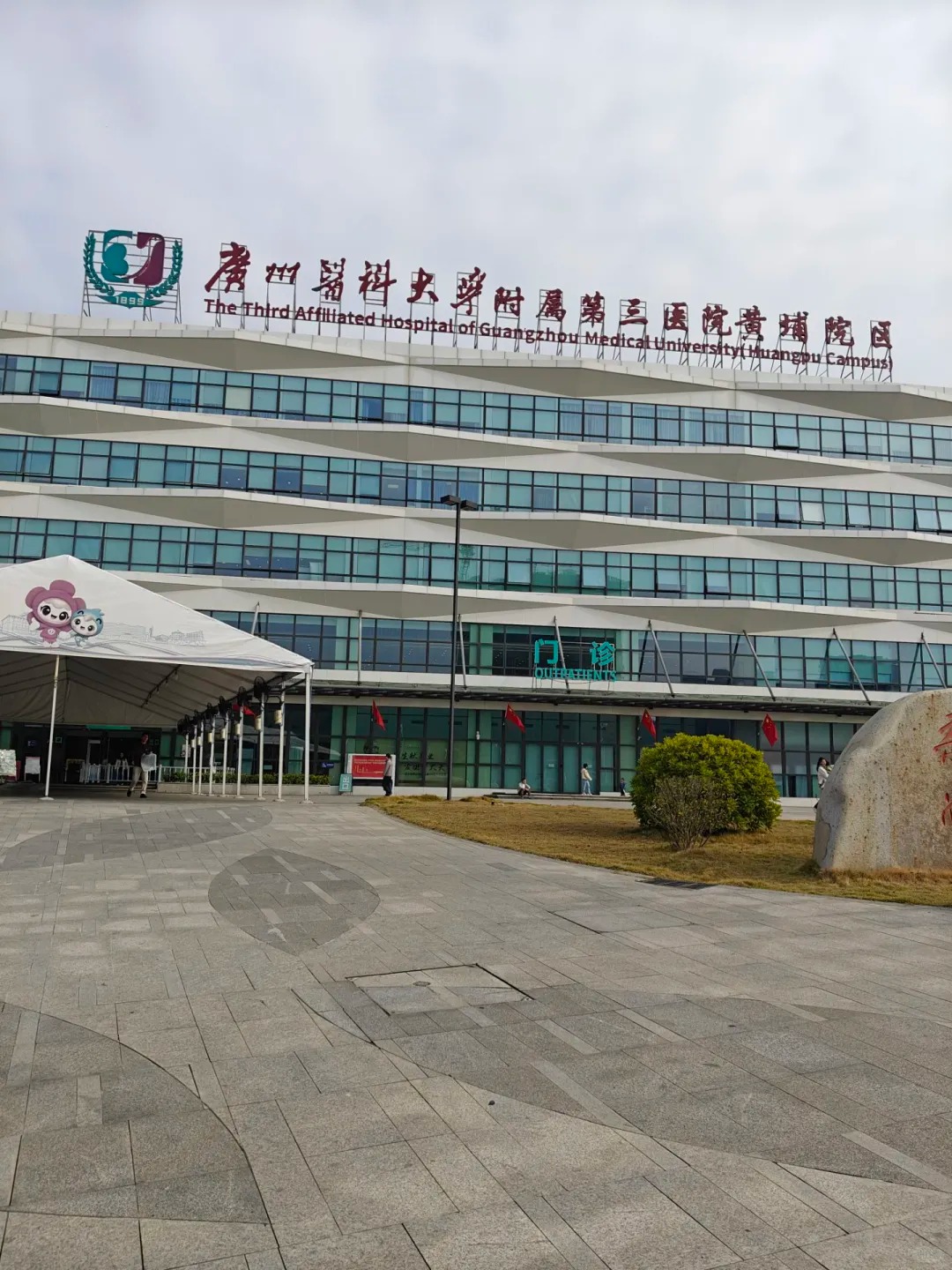
The Third Affiliated Hospital of Guangzhou Medical University
Founded in 1899 as Rouji Hospital, the Third Affiliated Hospital of Guangzhou Medical University is one of China's earliest Western medicine institutions. Renowned globally for its obstetrics and gynecology services, it is recognized as a leading authority in the field. As the Critical Maternal Care Center of Guangdong Province, the hospital maintains international standards in managing complex high-risk pregnancies, assisted reproductive technology (IVF), and fetal medicine. Operating across two campuses in Liwan and Huangpu, the hospital features expert teams in obstetrics, gynecology, neonatology, and orthopedics, serving as a primary referral center for advanced maternal and reproductive care in South China and Southeast Asia.
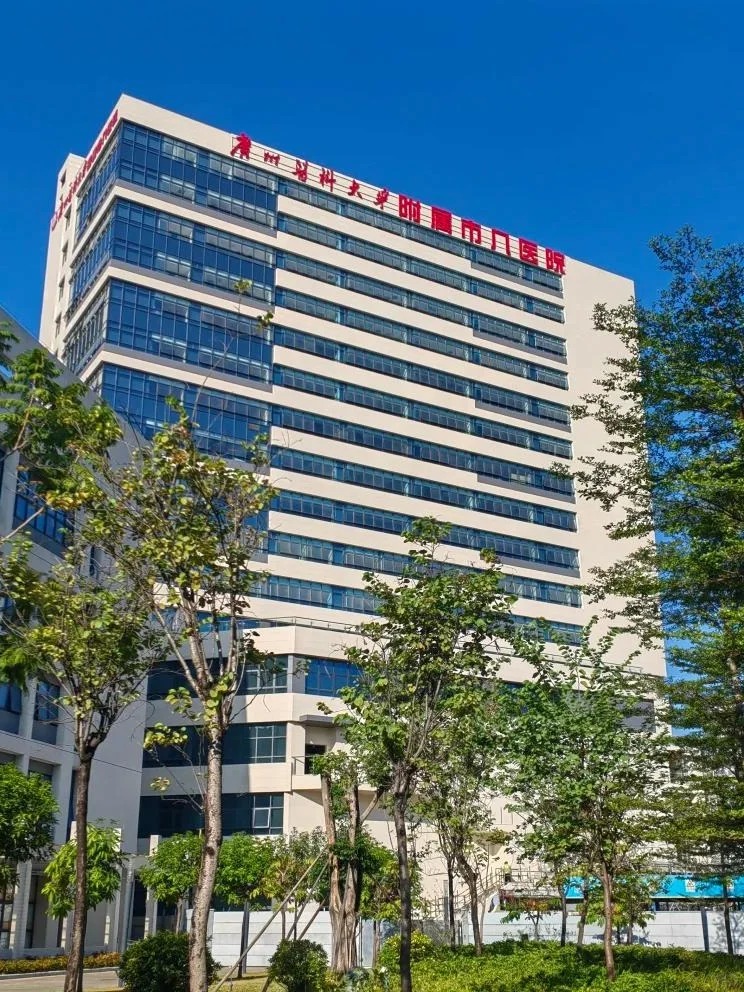
Guangzhou Eighth People's Hospital
Founded in 1921, Guangzhou Eighth People's Hospital (The Eighth Affiliated Hospital of Guangzhou Medical University) is the largest specialized hospital for infectious diseases in South China and a core unit of the National Clinical Research Center for Infectious Diseases. The hospital specializes in the diagnosis and treatment of viral hepatitis, HIV/AIDS, and emerging infectious diseases. It maintains a leading national position in comprehensive liver disease treatment (including artificial liver support and post-liver transplant management) and critical care for infectious diseases. As a designated medical institution in Guangzhou for treating foreign nationals with infectious diseases, it possesses extensive experience in managing cross-border cases. It was officially accredited as a Class A tertiary hospital in February 2024.
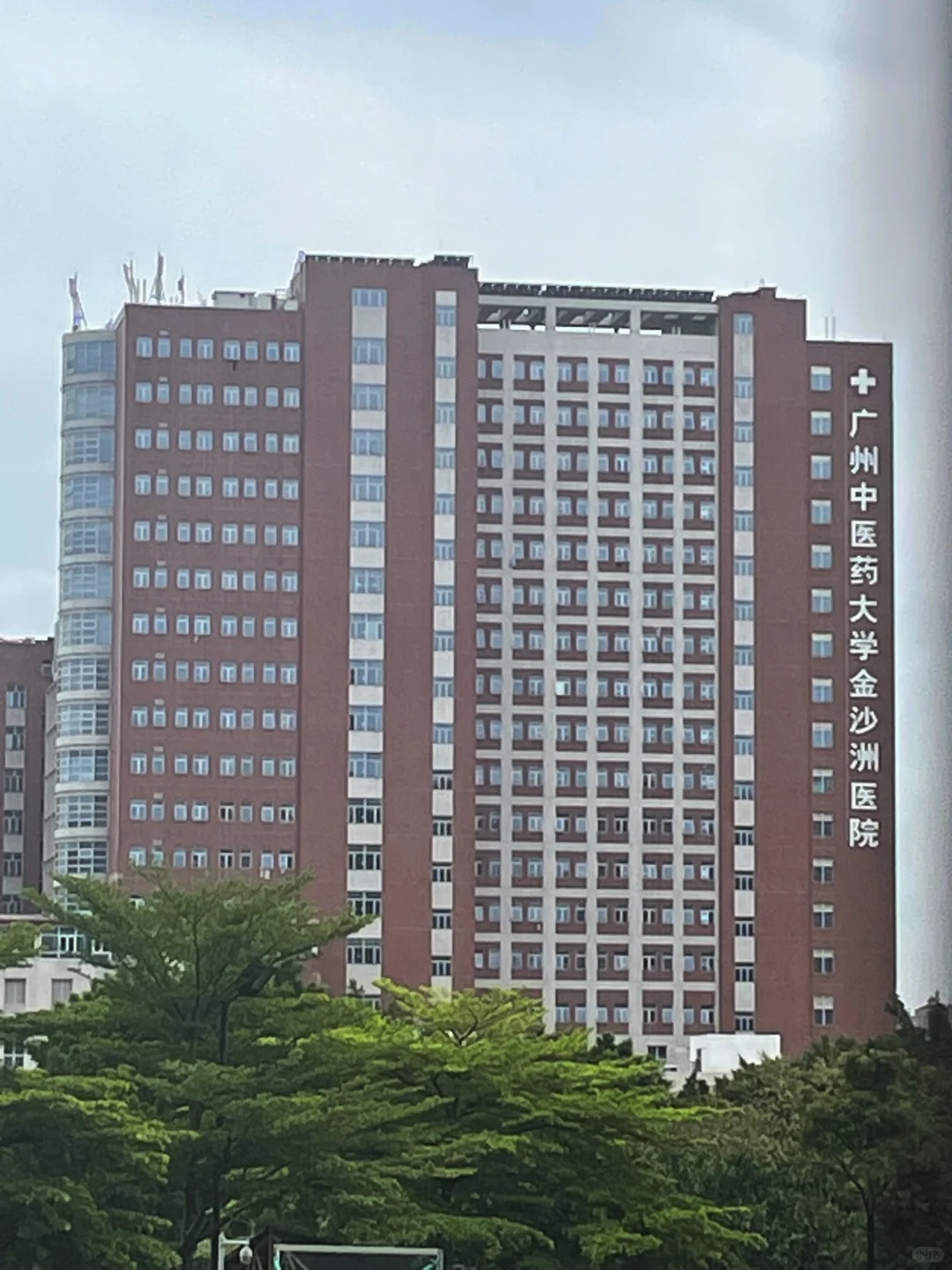
Guangzhou University of Chinese Medicine Jinshazhou Hospital
Guangzhou University of Chinese Medicine Jinshazhou Hospital is a modern, large-scale tertiary general hospital integrating medical care, education, research, prevention, and rehabilitation. It is designated as a key livelihood project in Guangzhou. Located in Jinshazhou, Guangzhou, the hospital offers a high-quality environment and advanced facilities. Its core specialty is the International Oncology Center, which was constructed in accordance with international JCI standards. The center has invested significantly in world-leading diagnostic and radiation therapy equipment, including the Accuray CyberKnife M6, Varian TrueBeam linear accelerator, and Siemens PET-CT/MR, establishing a technologically advanced precision radiotherapy platform in South China. Adhering to a development strategy that emphasizes both Chinese and Western medicine, the hospital has assembled a team of authoritative experts from top-tier (Class A tertiary) hospitals in Beijing, Shanghai, and Guangzhou. It maintains strong clinical advantages in minimally invasive oncology, orthopedics, and critical care medicine. For international and non-local patients, the hospital provides comprehensive international medical services and logistical support throughout the treatment process.
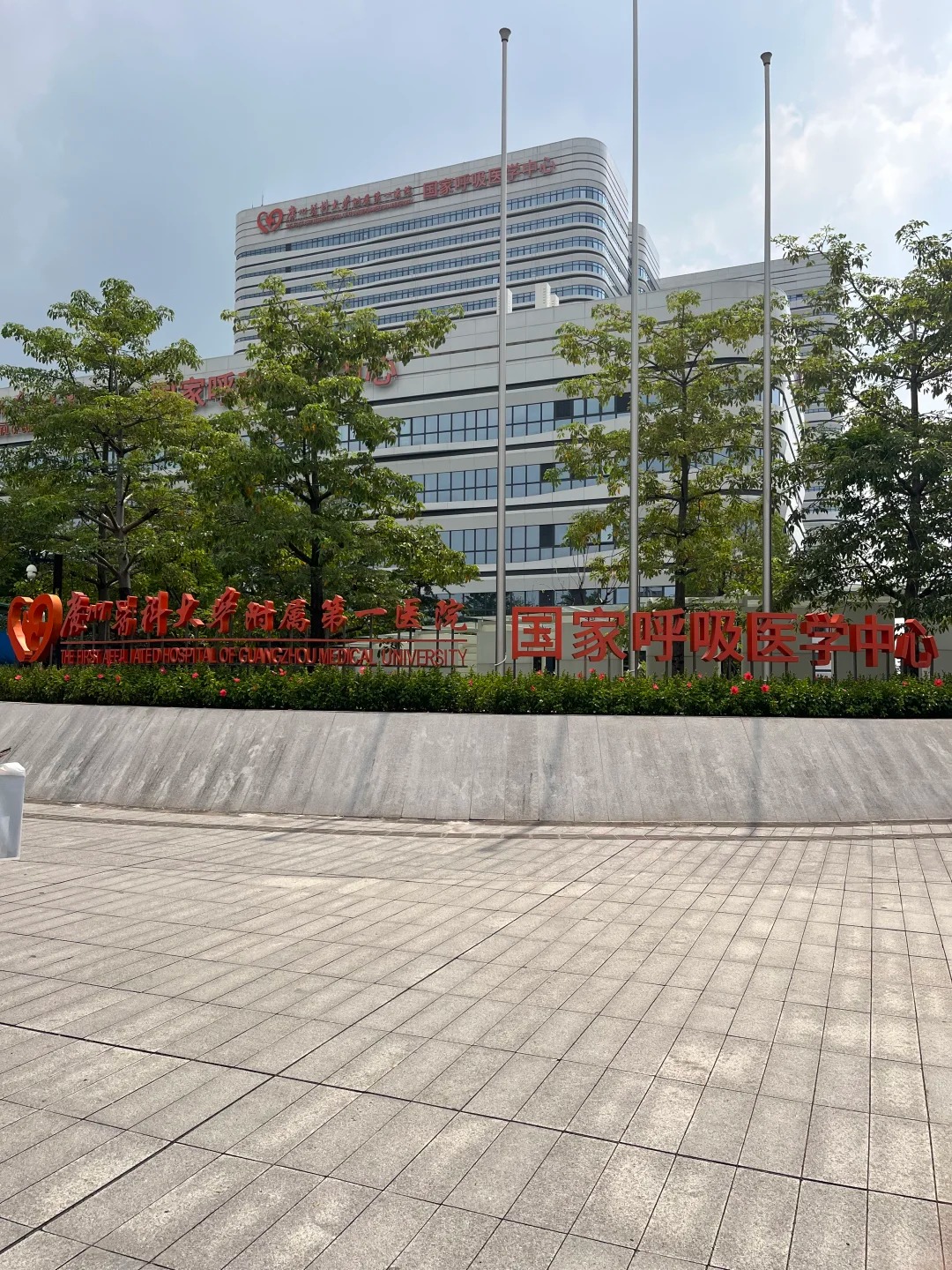
The First Affiliated Hospital of Guangzhou Medical University
The First Affiliated Hospital of Guangzhou Medical University is a comprehensive Class A tertiary hospital integrating medical care, education, research, health preservation, rehabilitation, and emergency services. It hosts the National Center for Respiratory Medicine and was among the first group of National Clinical Research Centers in China. Led by Professor Zhong Nanshan, an academician of the Chinese Academy of Engineering, the Department of Respiratory Medicine has been ranked first in China for 15 consecutive years. The hospital maintains a leading international position in the diagnosis and treatment of complex and critical respiratory diseases, minimally invasive thoracic surgery, and organ transplantation. The Hengqin International Medical Center, opened in 2024, further enhances its capacity for cross-border medical services.