
Top Hospitals in China
Book top-ranked medical institutions in China. Reference costs, not promises; we add zero markup to your hospital bill.
verified_user Independent patient coordination. Zero hospital markups. Not medical advice.
41 hospitals found
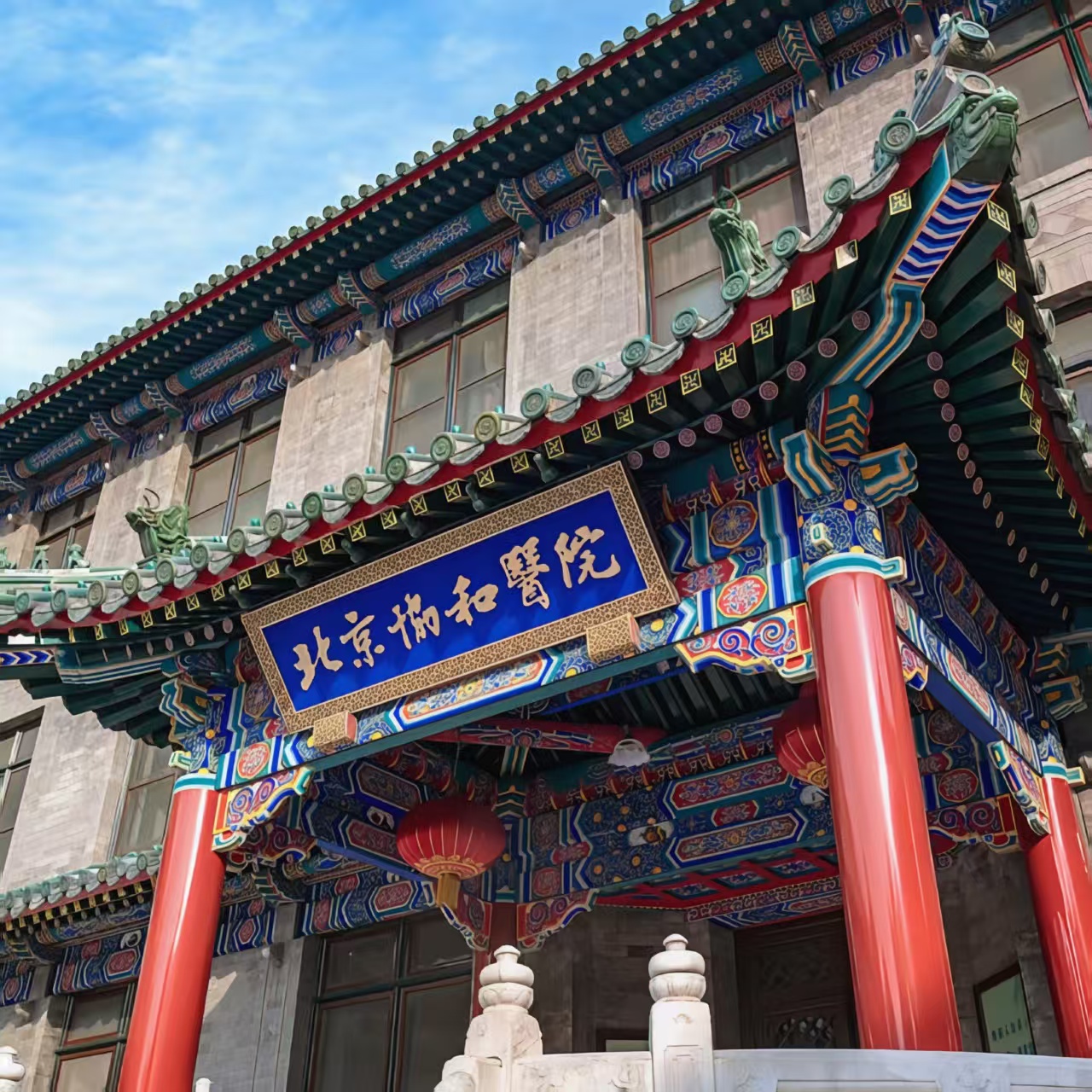
Peking Union Medical College Hospital

Founded in 1921 by the Rockefeller Foundation, Peking Union Medical College Hospital (PUMCH) is a modern comprehensive Class A tertiary hospital integrating medical care, teaching, and research. It is also the national guidance center designated by the National Health Commission of China for the diagnosis and treatment of difficult and critical diseases. As a top medical center in China, PUMCH is renowned for its complete range of disciplines, strong technical force, and outstanding medical specialties, maintaining an internationally leading position in fields such as rheumatology and immunology, obstetrics and gynecology, general surgery, and neurology.
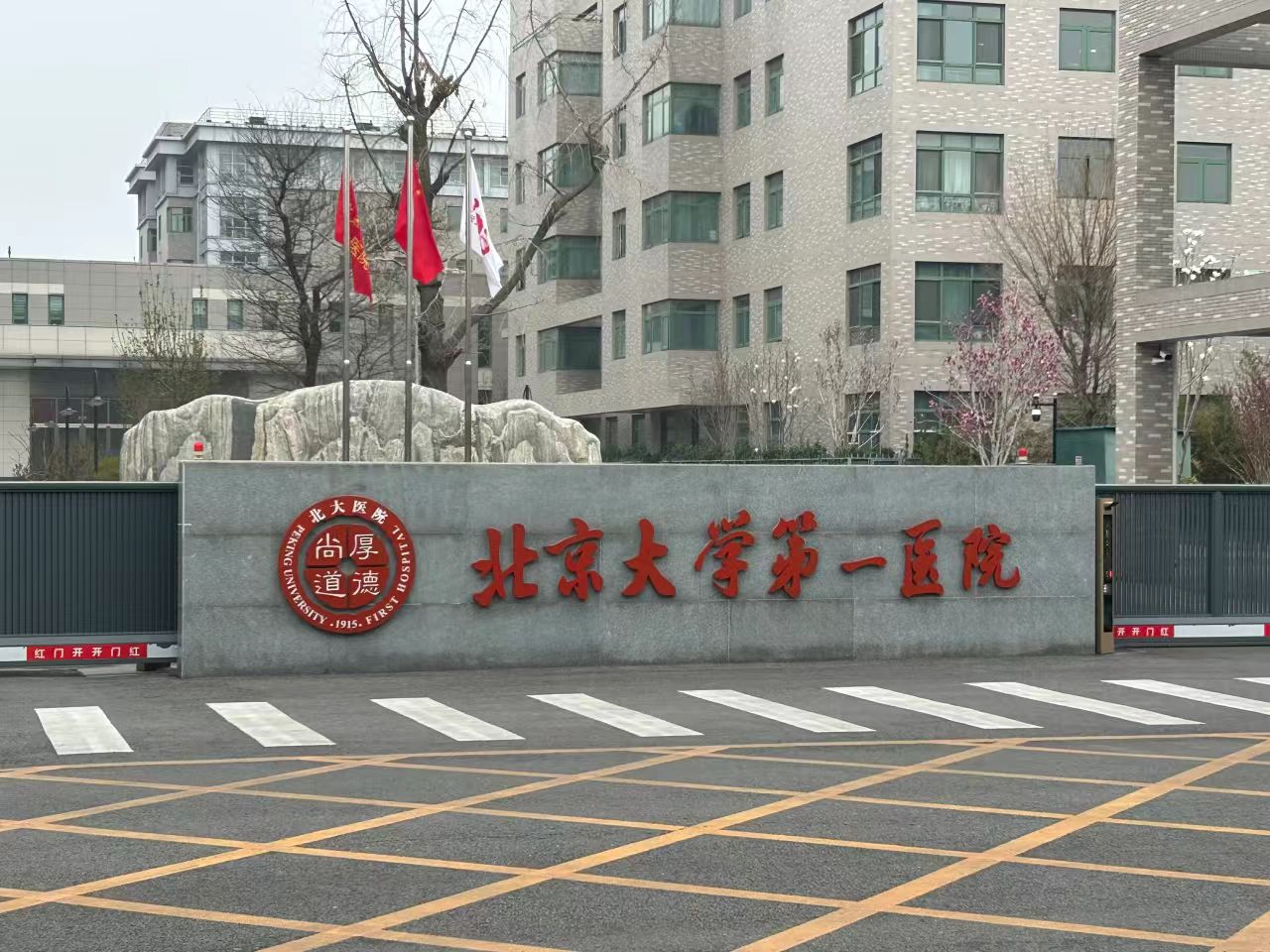
Peking University First Hospital
Peking University First Hospital (PKUFH), also known as PKU Hospital, is a large comprehensive Class A tertiary hospital integrating clinical care, education, research, and preventive medicine. It was one of the first clinical medical colleges established in China. Located in Beijing's historic district near Zhongnanhai, the hospital serves as a designated healthcare facility for central government officials. Recognized as the birthplace of urology and nephrology in China, its departments of Urology, Nephrology, and Dermatology consistently rank among the nation's best. The hospital hosts National Clinical Medical Research Centers and multiple national key disciplines. In the 2023 Fudan University China Hospital Rankings, it achieved the highest rating of "A++++".
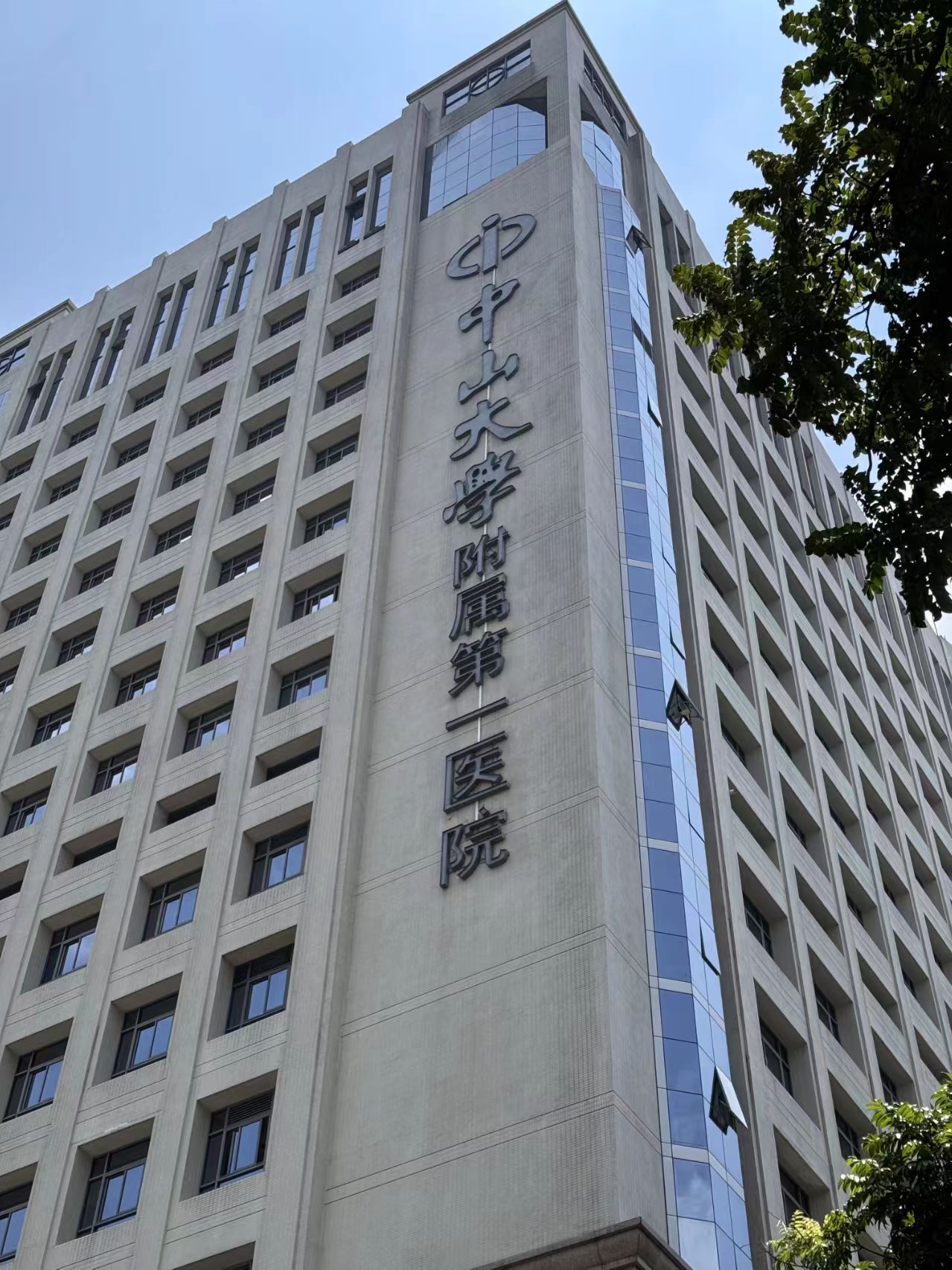
The First Affiliated Hospital, Sun Yat-sen University
Founded in 1910, The First Affiliated Hospital, Sun Yat-sen University (FAH-SYSU) is a Class A tertiary hospital and a National Regional Medical Center. It houses 5 national key disciplines and 34 national key clinical specialties. The hospital has advanced capabilities in critical care medicine, organ transplantation, and cardiovascular and cerebrovascular diseases, supported by modern medical equipment. The Nansha campus features an independent International Medical Center providing high-quality healthcare services that meet international standards.
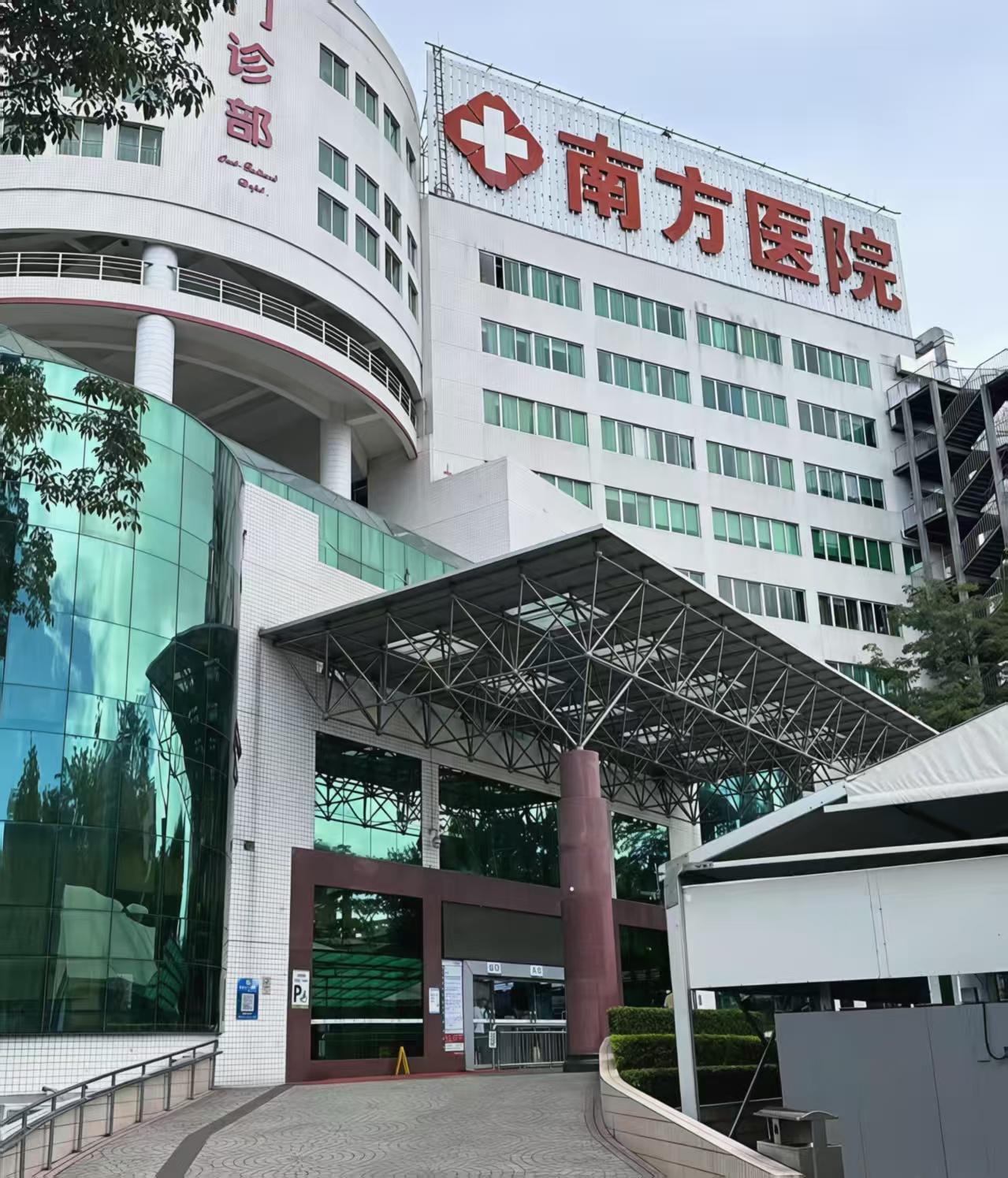
Nanfang Hospital of Southern Medical University
Nanfang Hospital of Southern Medical University (formerly the First Affiliated Hospital of the First Military Medical University) is a large comprehensive Class A tertiary hospital integrating medical care, teaching, research, and preventive healthcare. It is recognized as one of the "Top 100 Hospitals in China." Founded in 1941, the hospital has 5 national key disciplines (such as Gastroenterology) and 17 national key clinical specialties. Its affiliated Huiqiao Medical Center is the earliest and largest medical institution for expatriates in China, awarded the honorary title of "Model Medical Huiqiao Department" by the Central Military Commission. The hospital holds a prominent international academic position in fields including nephrology, infectious diseases, gastroenterology, and orthopedic trauma.

Peking University People's Hospital
Founded in 1918, Peking University People's Hospital is the first comprehensive Western medicine hospital funded, built, and managed by Chinese citizens. As a hospital directly under the National Health Commission and an affiliated hospital of Peking University, it houses multiple national-level strategic platforms, including the National Clinical Research Center for Hematologic Diseases. Its Institute of Hematology is the largest single-center hematopoietic stem cell transplantation facility globally. It pioneered the "Beijing Protocol" for bone marrow transplantation, addressing the global challenge of haploidentical hematopoietic stem cell transplantation. The hospital holds a leading position internationally in fields such as critical care medicine, orthopedics, trauma care, and thoracic surgery, and is committed to providing advanced diagnostic and treatment technologies to patients worldwide.
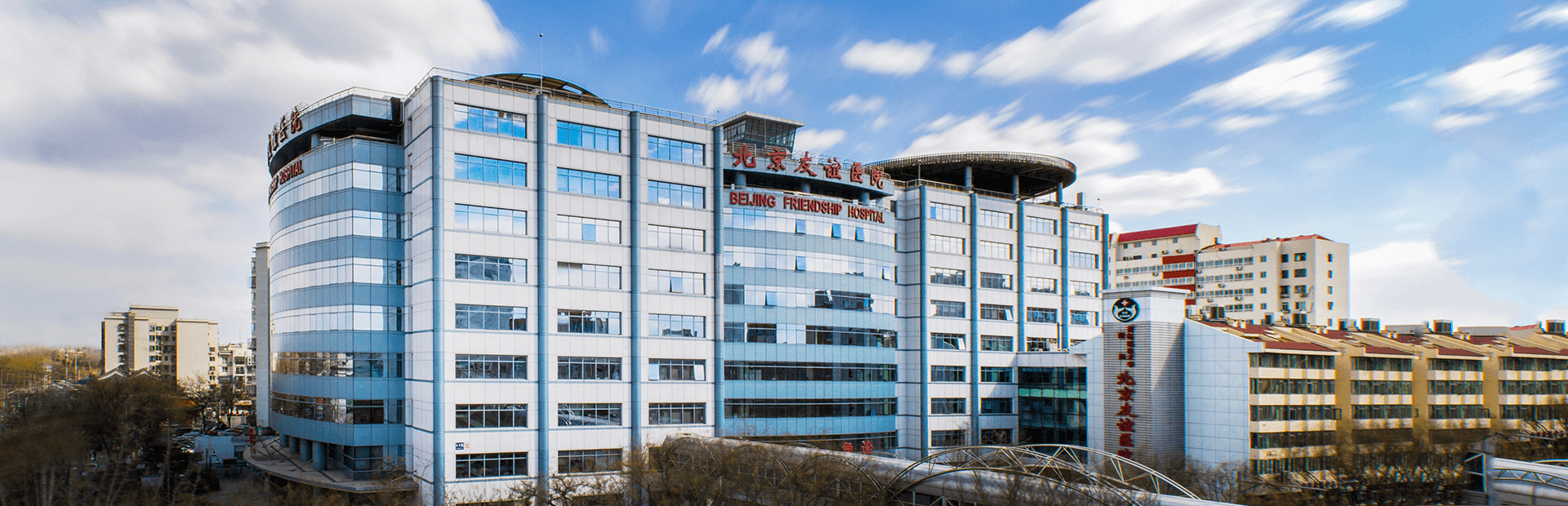
Beijing Friendship Hospital, Capital Medical University
Founded in 1952 as the Soviet Red Cross Hospital, Beijing Friendship Hospital was the first large-scale comprehensive hospital established in Beijing after the founding of the People's Republic of China. It is currently a Class A tertiary comprehensive hospital and one of the largest municipal hospitals in Beijing, operating two campuses in Xicheng and Tongzhou. Its departments of Gastroenterology, Hepatology, and General Surgery are National Key Clinical Specialties. The hospital holds a leading international position in fields such as digestive endoscopy diagnosis and treatment, liver transplantation, and chronic liver disease prevention. As the National Clinical Research Center for Digestive Diseases, the hospital undertakes national-level research and clinical tasks for major diseases, maintaining a high reputation both domestically and internationally for its academic foundation and advanced clinical technologies.

Beijing Tiantan Hospital, Capital Medical University
Founded in 1956, Beijing Tiantan Hospital, Capital Medical University, is a comprehensive Class A tertiary hospital specializing in a cluster of neuroscience disciplines. As the National Clinical Research Center for Neurological Diseases, the hospital maintains a leading academic and technical position in neurosurgery and neurology. Equipped with Asia's advanced intraoperative MRI navigation systems and a dedicated neurosurgical center, it performs the highest annual volume of brain tumor surgeries globally. Its expertise extends beyond treating complex conditions such as meningiomas and gliomas to achieving international breakthroughs in interventional radiology and cerebrovascular disease prevention.
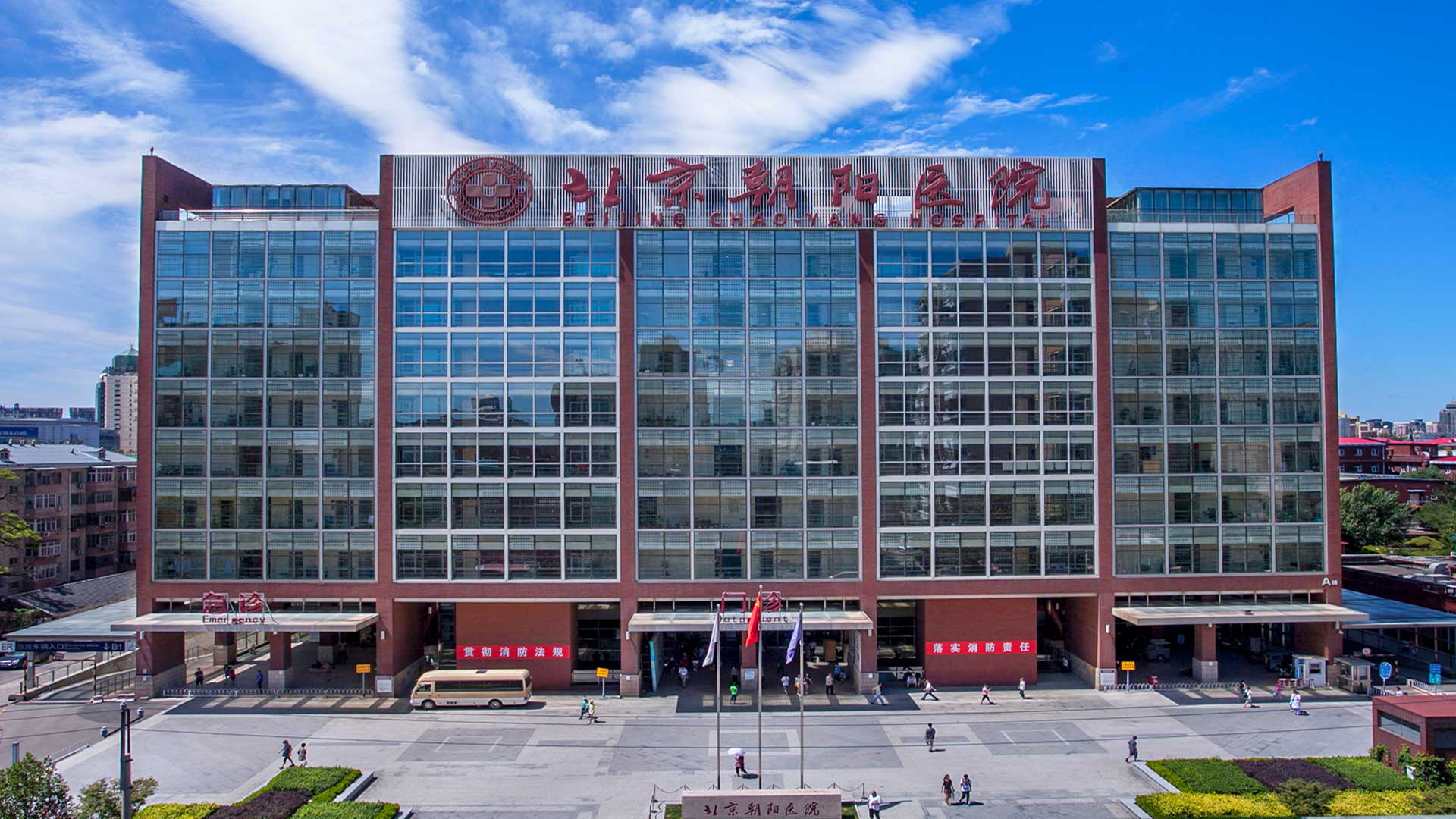
Beijing Chao-Yang Hospital, Capital Medical University
Beijing Chao-Yang Hospital, affiliated with Capital Medical University, is a comprehensive Class A tertiary hospital integrating medical care, education, research, and prevention. The hospital is a national leader in fields such as pulmonology, cardiology, and urology, and houses the Beijing Institute of Respiratory Medicine. As a key component of the National Center for Respiratory Medicine, it has established significant clinical expertise in COPD, respiratory failure, and critical care, with annual patient volumes among the highest of Beijing's municipal hospitals.
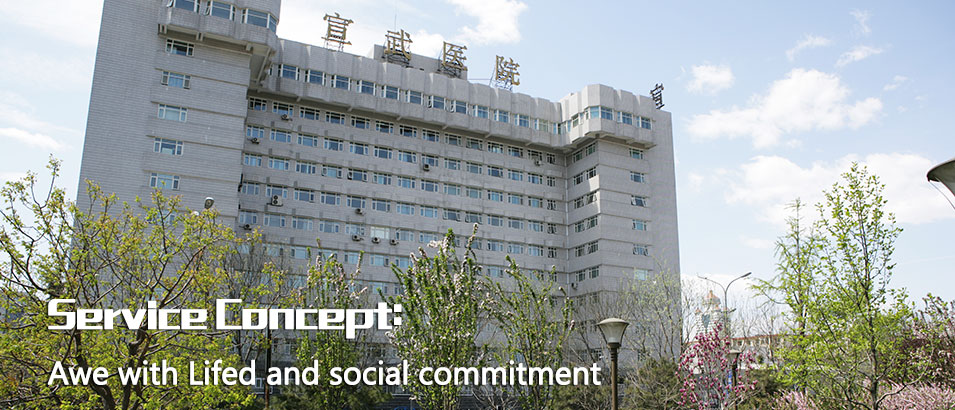
Xuanwu Hospital Capital Medical University
Founded in 1958, Xuanwu Hospital Capital Medical University is a comprehensive Class A tertiary hospital specializing in neuroscience and geriatrics. It serves as a National Center for Neurological Disorders. The hospital has long maintained a leading position in China for neurology, with its neurosurgery department also ranked among the top tier. As the home of the China International Neuroscience Institute (CHINA-INI), Xuanwu Hospital possesses advanced neurosurgical facilities and expert teams, earning a high international reputation for the diagnosis and treatment of complex neurological conditions such as cerebrovascular diseases, epilepsy, and skull base tumors. Compared to top neuroscience centers in Europe and the United States, Xuanwu Hospital offers significant advantages in clinical experience derived from high surgical volumes and relatively lower medical costs.
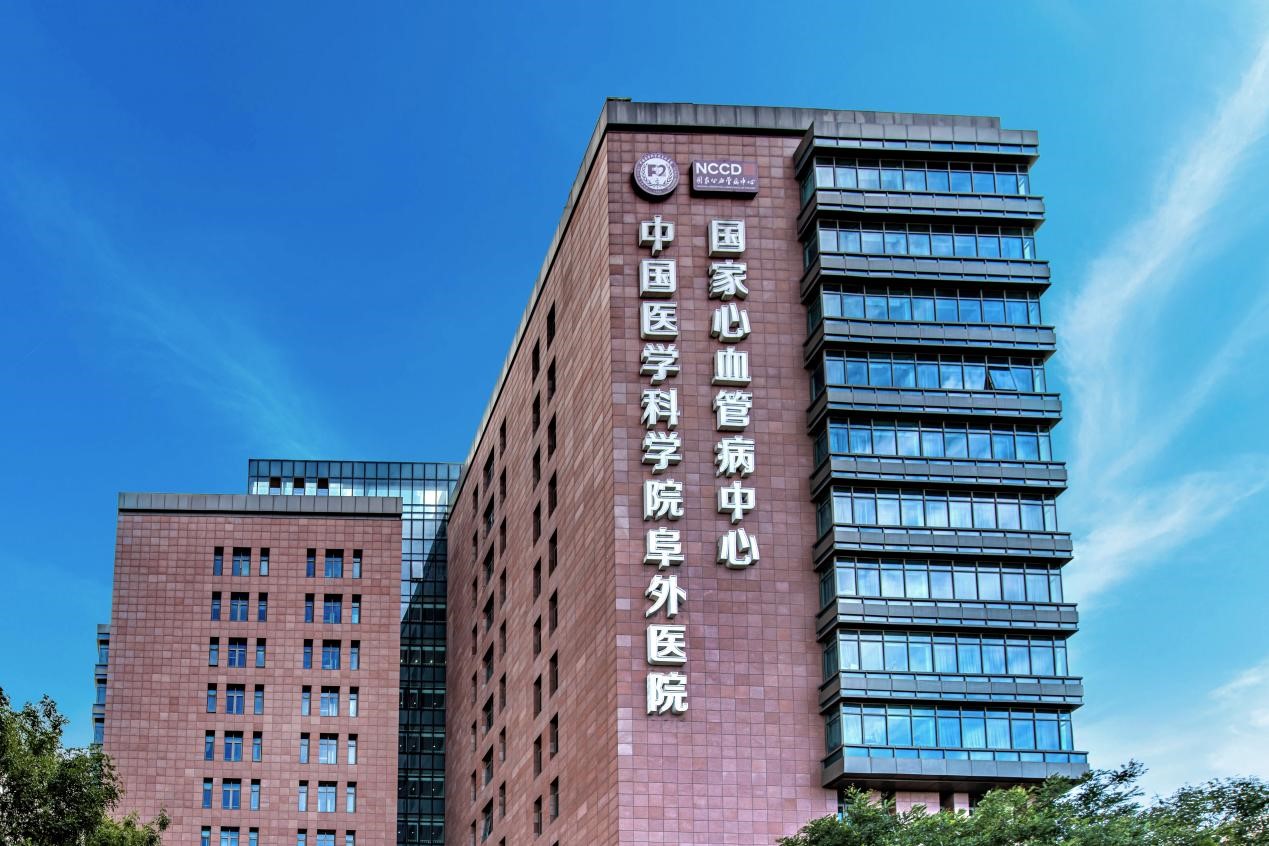
Fuwai Hospital, Chinese Academy of Medical Sciences
Fuwai Hospital, Chinese Academy of Medical Sciences (National Center for Cardiovascular Diseases), is the world's largest center for the diagnosis and treatment of cardiovascular diseases. The hospital holds a preeminent position in cardiovascular specialties and houses four national key laboratories. Its annual cardiac surgery volume has ranked first globally for consecutive years, with international acclaim for techniques in complex congenital heart disease, coronary artery bypass grafting (CABG), heart valve replacement, and heart transplantation. Through the National Center for Cardiovascular Diseases platform, the hospital integrates clinical research with translational medicine, establishing a comprehensive cardiovascular disease prevention and treatment system covering the entire life cycle.