
Top Hospitals in China
Book top-ranked medical institutions in China. Reference costs, not promises; we add zero markup to your hospital bill.
verified_user Independent patient coordination. Zero hospital markups. Not medical advice.
80 hospitals found
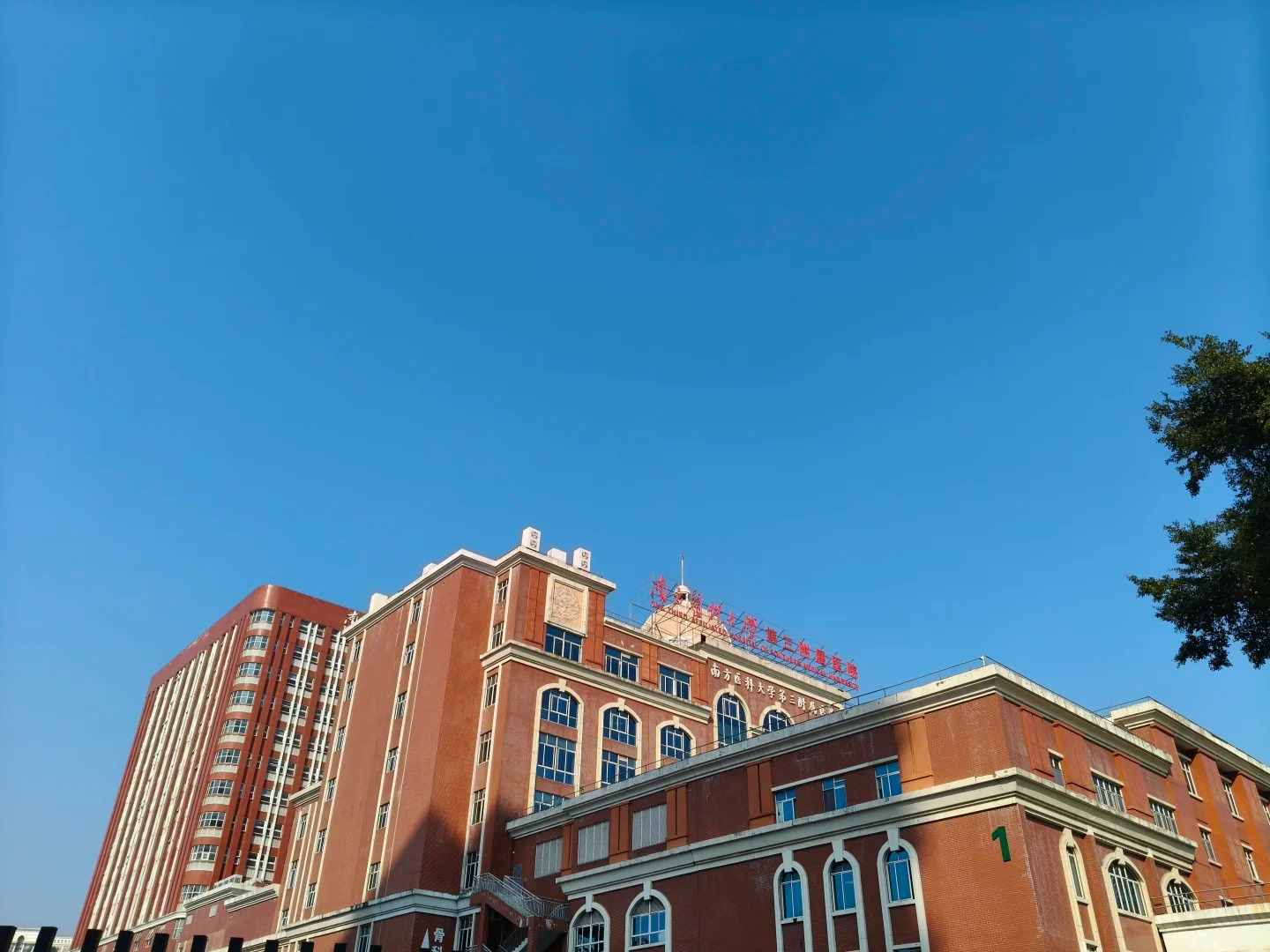
The Third Affiliated Hospital of Southern Medical University

The Third Affiliated Hospital of Southern Medical University (Guangdong Provincial Institute of Orthopedics, Guangdong Provincial Orthopedic Hospital) is a comprehensive Class A tertiary hospital integrating medical care, education, and research. As the designated Guangdong Provincial Orthopedic Hospital, it possesses significant clinical strength in orthopedics, which is recognized as a National Key Cultivation Discipline and a High-level Clinical Key Specialty of Guangdong Province. The department features eight sub-specialties, including spine, joint, and trauma surgery, and served as the host for the SICOT World Orthopaedic Congress. The hospital maintains a leading national position in medical 3D printing applications, minimally invasive spinal surgery, joint replacement, and sports medicine.
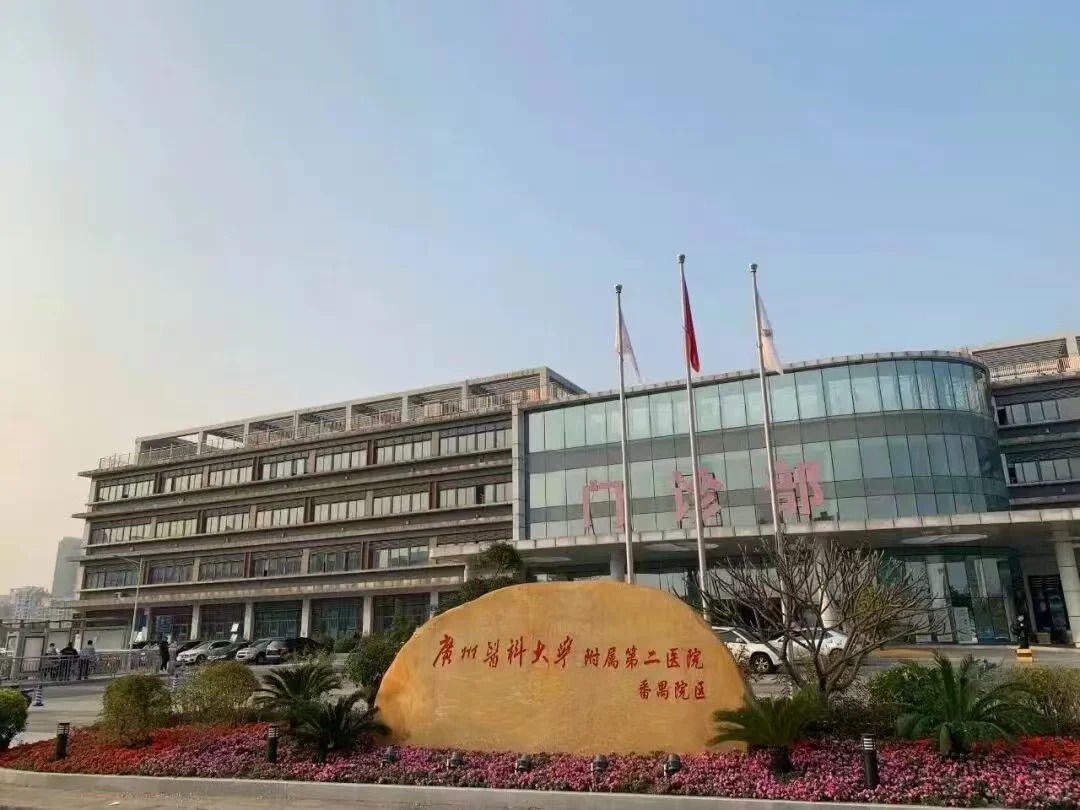
The Second Affiliated Hospital of Guangzhou Medical University
Established in 1982, the Second Affiliated Hospital of Guangzhou Medical University (GYEY) is a large-scale Class A tertiary comprehensive hospital integrating medical care, education, and research. The hospital consists of the Changgang Campus (Main Campus), Panyu Campus, and West Campus, and serves as the Second Clinical College of Guangzhou Medical University. The hospital possesses strong disciplinary capabilities, with core specialties in neuroscience, cardiovascular diseases, allergic diseases (allergology), and pain management. Notably, the Departments of Allergology and Pain Management are recognized as National Key Clinical Specialties. The Department of Allergology has consistently ranked among the top in China in the Fudan University Hospital Specialty Reputation Rankings (ranking 4th nationally in 2022). The hospital also houses the Institute of Neuroscience and the Institute of Cardiovascular Disease of Guangzhou Medical University, maintaining advanced national standards in stroke treatment, epilepsy centers, kidney transplantation, and minimally invasive surgery. As a significant healthcare base for senior officials in Guangzhou, the hospital is strategically located at a major transportation hub in Haizhu District, with its Panyu Campus extending its medical service network across the Guangzhou-Foshan area and Southern China.
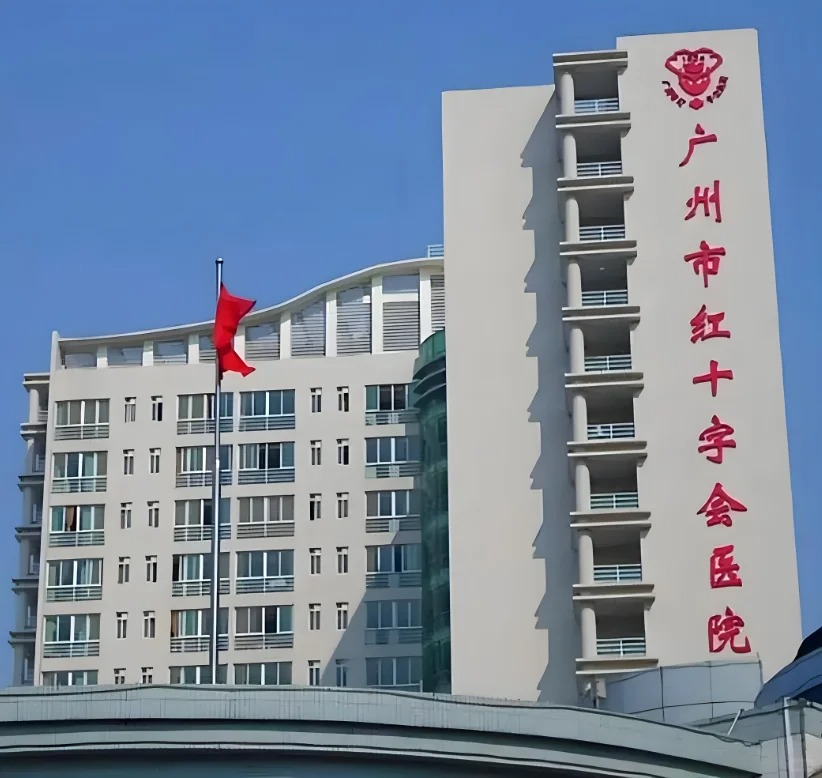
Guangzhou Red Cross Hospital
Founded in 1904, Guangzhou Red Cross Hospital (Guangzhou Red Cross Hospital Affiliated to Jinan University) is a public Class A tertiary general hospital integrating medical care, teaching, research, prevention, healthcare, rehabilitation, and emergency rescue. As the designated emergency hospital of Guangzhou, it maintains significant technical expertise in trauma surgery, burn and plastic surgery, and critical care medicine. The Department of Burn and Plastic Surgery is a National Key Clinical Specialty, with its treatment of severe burns reaching internationally recognized standards. The hospital houses the Guangzhou Institute of Trauma Surgery and serves as the Guangzhou Trauma and Burn Treatment Base.
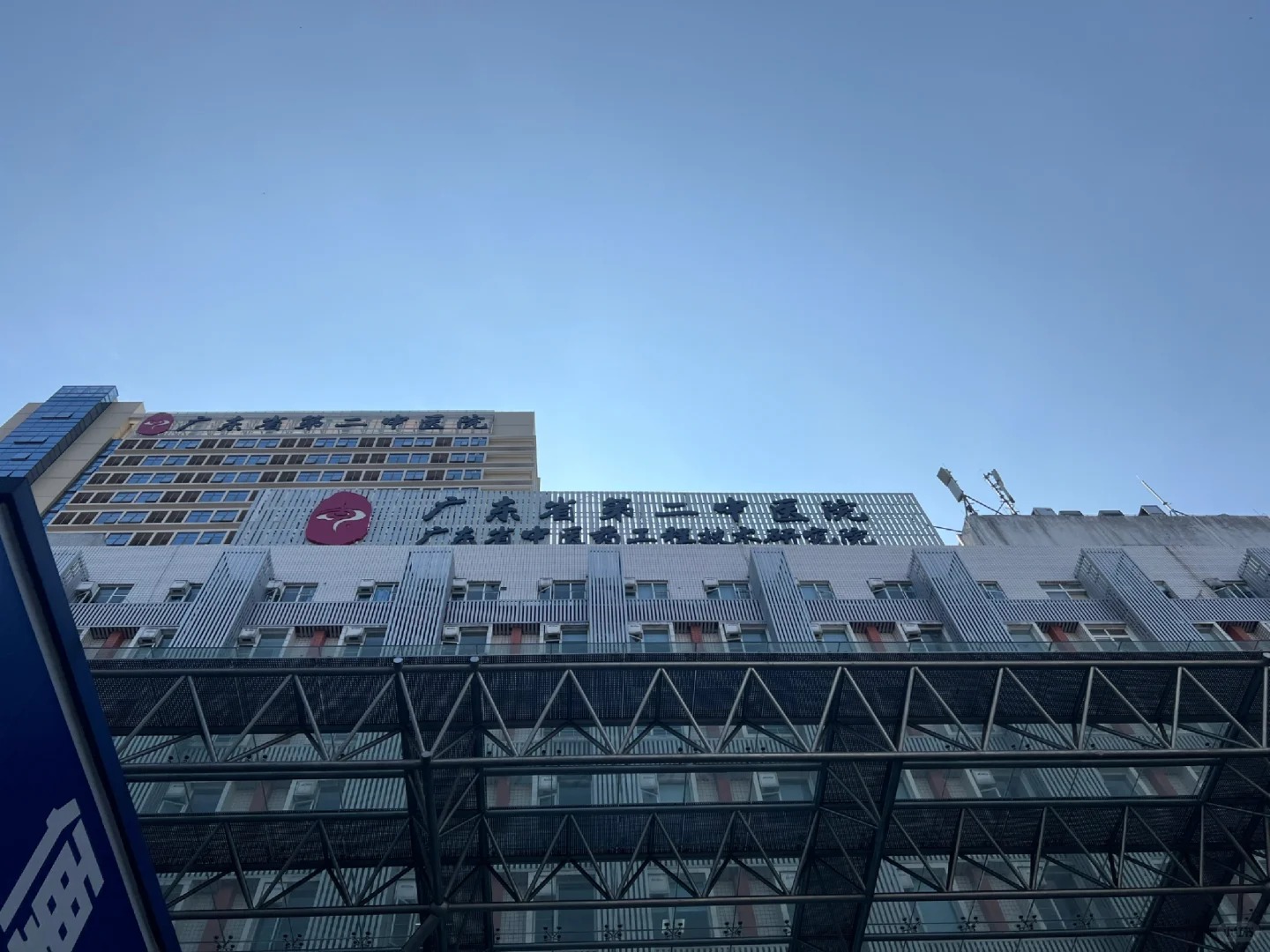
Guangdong Second Traditional Chinese Medicine Hospital
Guangdong Second Traditional Chinese Medicine Hospital (Guangdong Institute of Traditional Chinese Medicine Engineering Technology) is a comprehensive Class A tertiary hospital of Traditional Chinese Medicine (TCM) integrating medical care, scientific research, education, rehabilitation, and preventive healthcare. The hospital features 7 national key clinical specialties, including Cardiology, Encephalopathy, Orthopedics and Traumatology, and Oncology, along with several provincial key specialties such as Gastroenterology, Respiratory Medicine, and Endocrinology. It maintains international leadership in the research and development of TCM granulated formulas and houses a national key laboratory. As an affiliated hospital of Guangzhou University of Chinese Medicine, it possesses unique clinical expertise in acupuncture rehabilitation and stroke treatment.
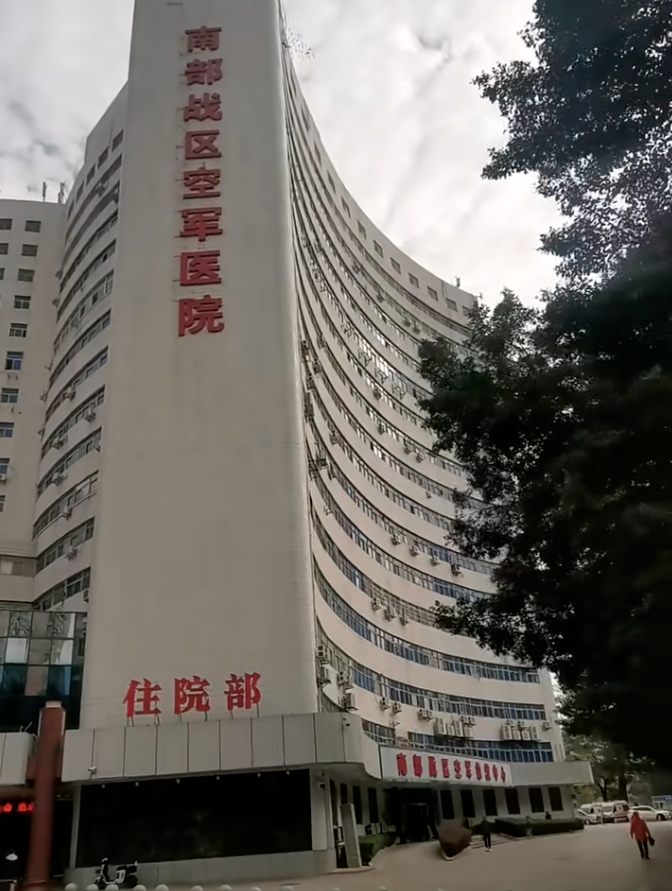
458th Hospital of the PLA (Southern Theater Command Air Force Hospital)
The Southern Theater Command Air Force Hospital (formerly the 458th Hospital of the People's Liberation Army) is a modern comprehensive Class A tertiary hospital integrating medical care, teaching, research, prevention, healthcare, rehabilitation, and psychological services. Located in the central district of Guangzhou, the hospital possesses a profound military medical background and technical expertise in liver disease prevention and treatment, aviation medicine, organ transplantation, and infectious disease diagnosis. As a critical component of the Air Force medical system, it maintains high professional standards in pilot health maintenance and emergency medical response for public health crises. While it is not ranked in the Top 100 of the Fudan or STEM comprehensive rankings, it holds a distinguished reputation in specific fields of military medicine and hepatology. Compared to international private medical institutions, the hospital offers significant advantages in cost control, though international service protocols for non-Chinese speaking patients are currently at a foundational stage.
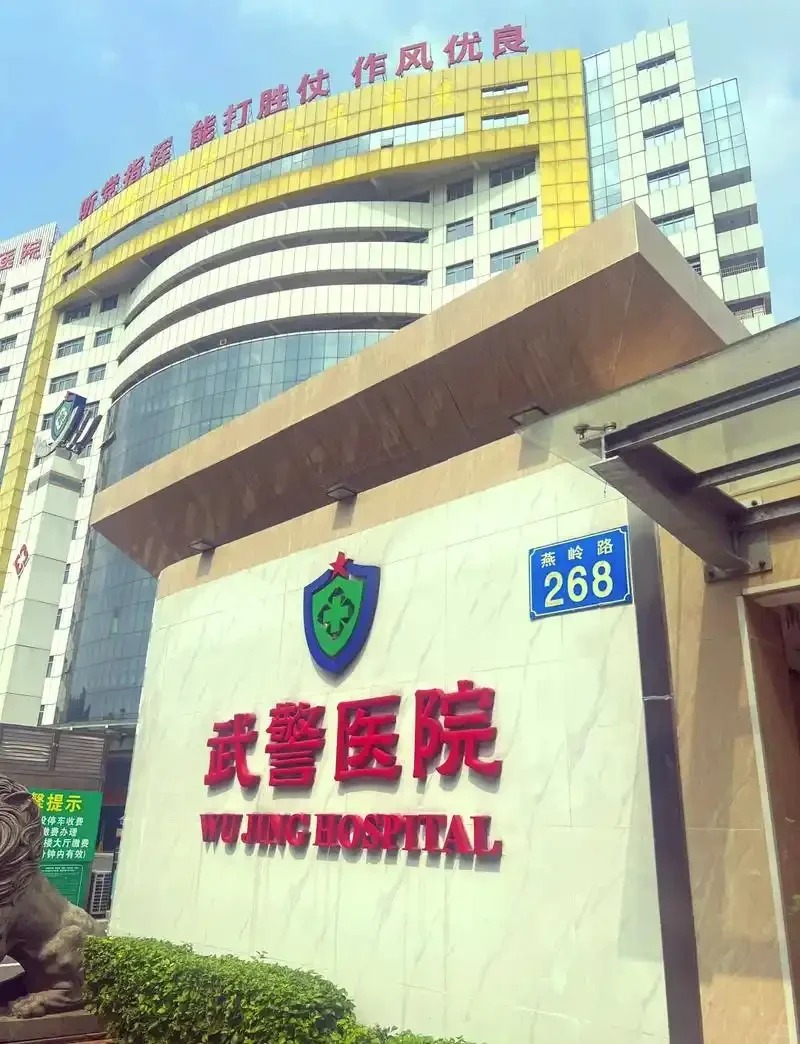
Guangdong Provincial Corps Hospital of the Chinese People's Armed Police Forces
Established in 1983, the Guangdong Provincial Corps Hospital of the Chinese People's Armed Police Forces (PAP) is a modern comprehensive Class A tertiary hospital integrating medical care, scientific research, teaching, prevention, healthcare, and rehabilitation. Located in the Tianhe District of Guangzhou, the hospital enjoys convenient transportation access near the entrances of the Guangzhou-Shantou and Guangzhou-Shenzhen Expressways. As a medical center for the PAP, it houses several authoritative institutions, including the PAP Institute of Emergency Surgery, the PAP Institute of Otorhinolaryngology, and the PAP Technical Center for Family Planning and Eugenics. The hospital maintains significant technical advantages in trauma emergency care, ENT, orthopedics, and minimally invasive surgery, with extensive experience in emergency rescue for public health incidents.
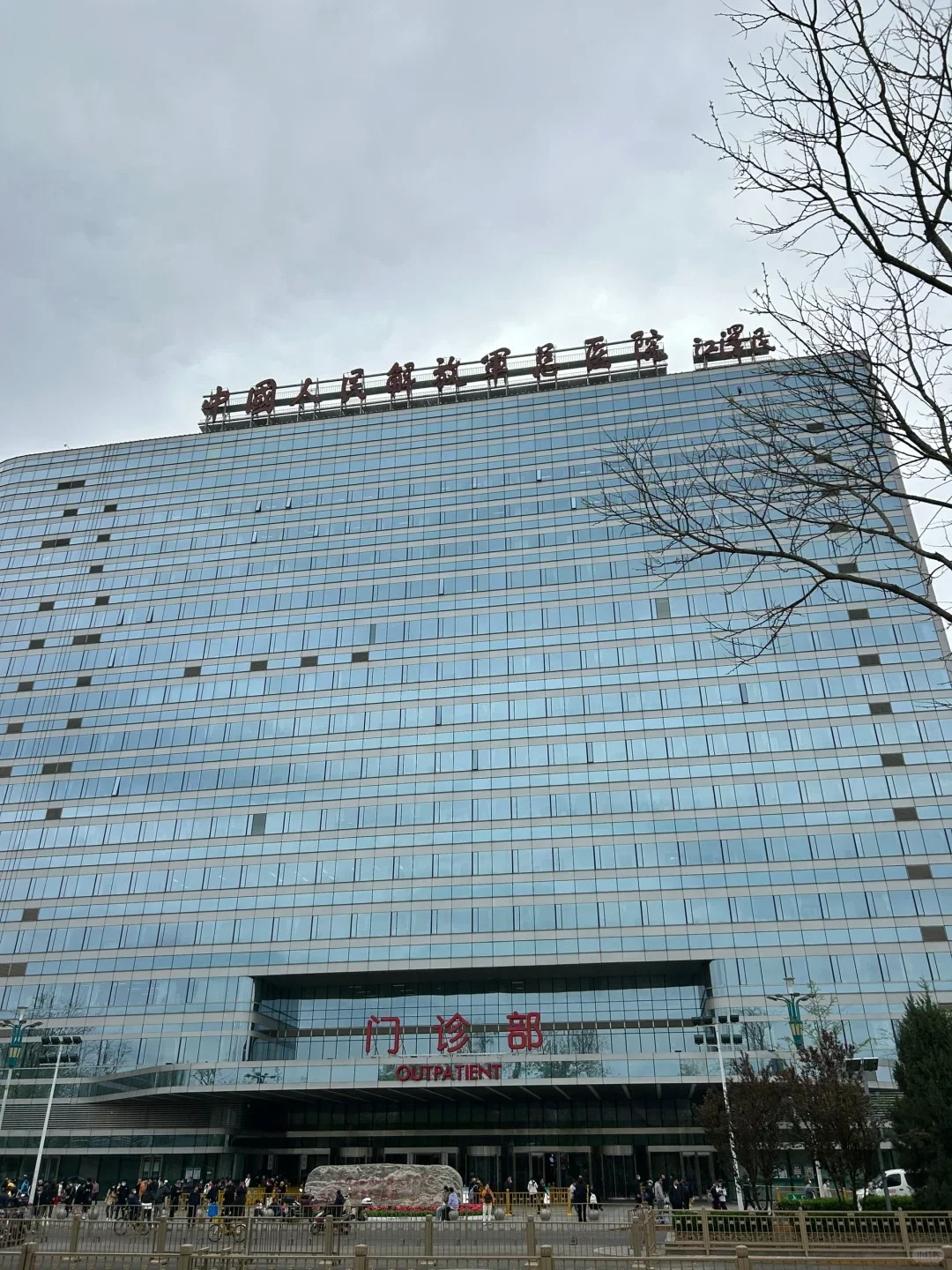
Chinese People's Liberation Army General Hospital (301 Hospital)
Founded in 1953, the Chinese People's Liberation Army (PLA) General Hospital (301 Hospital) is a large-scale modern comprehensive hospital integrating medical care, health preservation, teaching, and research. It is directly affiliated with the PLA Joint Logistics Support Force. The hospital maintains significant clinical advantages and high technical expertise in fields such as critical care, targeted tumor therapy and immunotherapy, geriatrics, orthopedics, and otolaryngology-head and neck surgery. As a national key medical base, the hospital features advanced medical equipment and an expert team led by academicians of the Chinese Academy of Sciences and the Chinese Academy of Engineering. It also operates a dedicated International Medical Center (VIP Department) to provide efficient expedited services for international patients. Compared to leading medical institutions in Europe and North America, 301 Hospital offers significant cost savings and substantially shorter waiting times for complex surgical procedures while maintaining comparable or higher success rates.
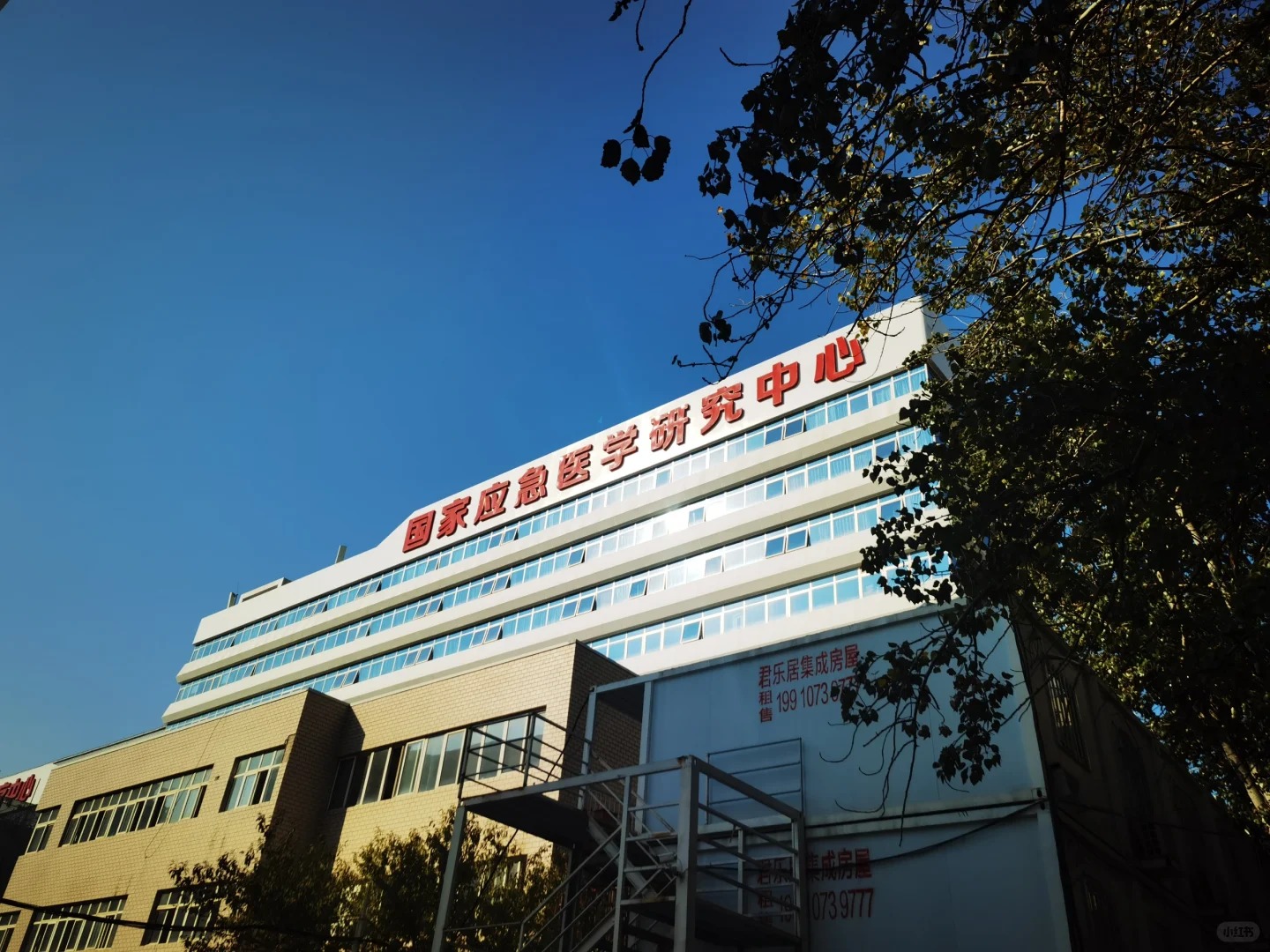
Emergency General Hospital
Emergency General Hospital (formerly General Hospital of Coal Industry) is the only tertiary comprehensive hospital directly under the Ministry of Emergency Management of the People's Republic of China. It serves as the host institution for the National Center for Emergency Medicine Research and the National Diagnosis and Treatment Center for Pneumoconiosis. Established in 1993, the hospital is tasked with the mission of providing medical rescue for major national disasters and international relief operations. The hospital holds a prominent academic position in critical care medicine, occupational disease prevention, and respiratory intervention. Its Department of Pulmonary and Critical Care Medicine is a national leader in bronchoscopic interventional techniques, with annual surgical volumes among the highest in China. As a designated hospital for foreign-related medical services in Beijing and a partner of International SOS, the hospital possesses robust capabilities in international medical services.
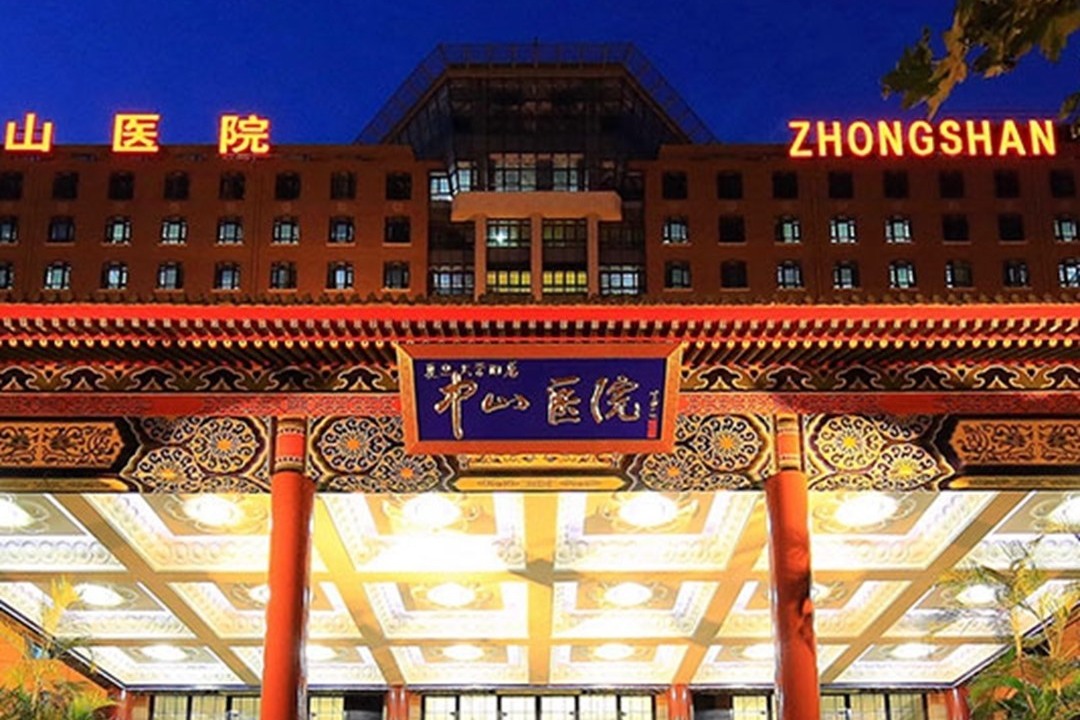
Zhongshan Hospital, Fudan University
Zhongshan Hospital, Fudan University, was established in 1937. It is one of the leading national medical center development institutions in China and a representative Class A tertiary public hospital in Shanghai. The hospital is known for its strengths in cardiology, cardiac surgery, general surgery, liver cancer surgery, respiratory and critical care medicine, diagnostic imaging, intensive care medicine, gastroenterology, thoracic surgery, and infectious diseases. Its services in cardiac intervention, coronary artery bypass grafting, complex structural heart disease treatment, comprehensive liver cancer treatment, minimally invasive thoracic surgery, and critical care remain among the country’s leading programs. Supported by Fudan University’s clinical research platform, the hospital has strong capabilities in treating complex and critical conditions and a high-level multidisciplinary collaboration system, with technical strength in complex surgeries, advanced interventions, and precision diagnosis and treatment. As an important gateway for international patients, Zhongshan Hospital offers an International Medical Department/International Medical Center, providing a relatively high standard of appointment coordination, inpatient care, health examinations, and multilingual support. Compared with large academic medical centers in Europe and North America, Zhongshan Hospital typically offers a shorter pathway to treatment and a significant cost advantage for common major diseases treated in China, making it suitable for cross-border and high-net-worth patients seeking high-level cardiovascular, oncology, and surgical care in China.
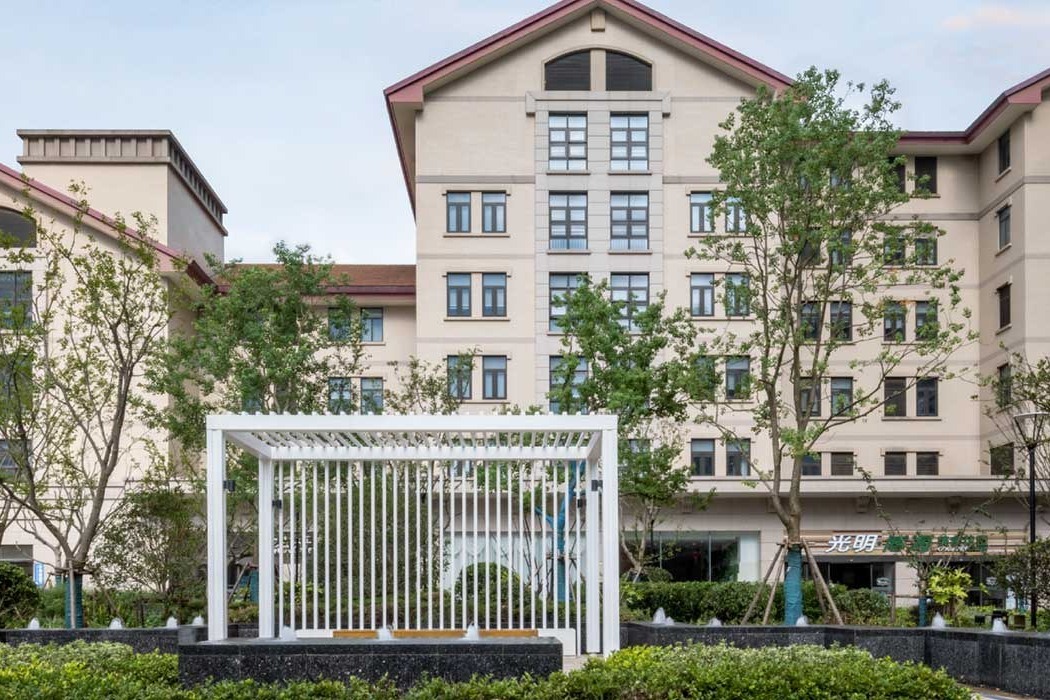
Ruijin Hospital, Shanghai Jiao Tong University School of Medicine
Ruijin Hospital, Shanghai Jiao Tong University School of Medicine, was established in 1907. It is a Class A tertiary general teaching hospital under the administration of the National Health Commission and one of the core affiliated hospitals of Shanghai Jiao Tong University School of Medicine. The hospital is recognized for strengths in endocrinology and metabolism, hematology, cardiovascular medicine, gastroenterology, general surgery, orthopedics, burn and plastic surgery, critical care medicine, and comprehensive oncology care. It has national-level key clinical specialties and high-level research platforms. The hospital has notable expertise in diabetes and metabolic disorders, hematologic diseases, the treatment of complex and critically ill patients, and minimally invasive surgery. Supported by the development of a national medical center/regional medical center, a high-level MDT system, and large-scale clinical research capabilities, it combines clinical capability with translational research strength. For patients in China, Ruijin Hospital can provide complex-disease diagnosis and treatment plans locally at an international standard, and compared with cross-border care it typically offers a shorter referral chain, lower overall cost, and better continuity of follow-up.