
Global Patients Flock to China for High-Value Care
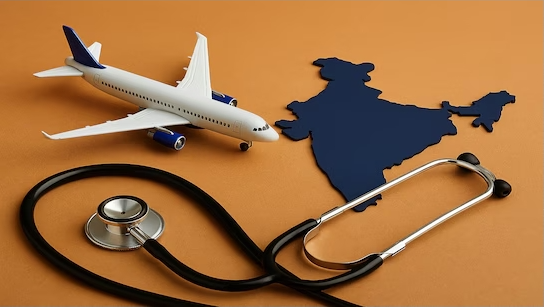
According to the 2025 China Medical Tourism Development Report—jointly released by the Medical Tourism Branch of the China Tourism Association and the China Hospital Association—international patient visits to China hit a record high of over 800,000 in 2024, a 27.3% year-on-year increase. Notably, over 60% of these patients arrived from Western regions, including the U.S., UK, Germany, and France, while 20% came from Middle Eastern nations such as Saudi Arabia and the UAE.
While cost savings of 50% to 70% on procedures like cancer therapy, joint replacements, and cardiac surgery are a major draw, the real driver is the clinical quality. China’s top-tier hospitals now meet or exceed international safety benchmarks, ensuring patients never have to compromise their health for their budget.
Addressing the Safety Concerns of International Patients
Despite the data, many overseas patients hesitate due to information gaps and cultural differences. Common concerns include:
- Do JCI-accredited hospitals in China truly meet global standards?
- Are Chinese doctors’ overseas credentials comparable to Western specialists?
- Can surgical safety and post-operative care match the elite hospitals of Europe and the U.S.?
- Will language barriers or unfamiliar processes compromise the quality of care?
To clear the air, we have analyzed JCI official data, annual reports from the Chinese Academy of Medical Sciences, and testimonials from hundreds of international patients to address the four pillars of safety in Chinese medical tourism.
I. JCI Accreditation: Global Safety Standards in Action
Joint Commission International (JCI) accreditation is the gold standard for hospital safety worldwide. In China, this is not a "vanity project" but a rigorous operational framework. As of late 2024, 137 hospitals in China have earned JCI accreditation, including world-renowned institutions like Peking Union Medical College Hospital and West China Hospital (ranked 6th globally in the Nature Index for healthcare institutions).
Uniform Global Standards JCI does not offer "localized" versions of its criteria. Whether in the Mayo Clinic or a top-tier Shanghai hospital, the assessment covers nearly 1,000 measurable elements across patient safety, infection control, and medication management. For instance, the "Triple Check" protocol for surgery—verifying patient ID, site, and procedure—is executed with even stricter redundancy in many Chinese JCI hospitals than in their Western counterparts.
Superior Infection Control Data from the China Hospital Association 2024 report shows that infection rates in Chinese JCI-accredited hospitals sit at a remarkable 0.5%, significantly lower than the 1.2% average often cited in Western clinical settings. This is achieved through advanced air purification systems and rigorous sterilization frequencies that often exceed international requirements.
II. The Expertise: Why Overseas Training is the Standard
In China’s elite hospitals, overseas training is not a rarity—it is a prerequisite for career advancement.
International Pedigree At institutions like Fuwai Hospital (a global top 10 cardiovascular center), over 87% of specialists have completed long-term fellowships at prestigious icons such as Johns Hopkins, the Mayo Clinic, or Heidelberg University. These doctors are not just observing; they are participating in complex surgeries and international multi-center clinical trials published in The New England Journal of Medicine and The Lancet.
The Volume Advantage Medical expertise is built on experience. Top Chinese hospitals often handle double the surgical volume of leading Western centers.
| Surgery Type | Chinese Top Hospitals (Annual) | Western Top Hospitals (Annual) | The China Advantage |
|---|---|---|---|
| Cardiovascular | 18,000 - 22,000 | 8,000 - 12,000 | Higher precision in complex lesions due to massive case volume. |
| Oncology | 25,000 - 30,000 | 12,000 - 18,000 | Extensive experience in multi-organ resections. |
| Joint Replacement | 12,000 - 15,000 | 6,000 - 9,000 | Highly refined techniques and faster recovery protocols. |
III. Clinical Excellence: Leading in Innovation
China is no longer just a "cost-effective" alternative; in several fields, it is leading the way.
- CAR-T Cell Therapy: For advanced blood cancers, China’s clinical efficacy rate of 72.8% is neck-and-neck with the U.S. (73.2%). However, the cost in China (approx. $42,000–$70,000) is a fraction of the $373,000 typical in the U.S.
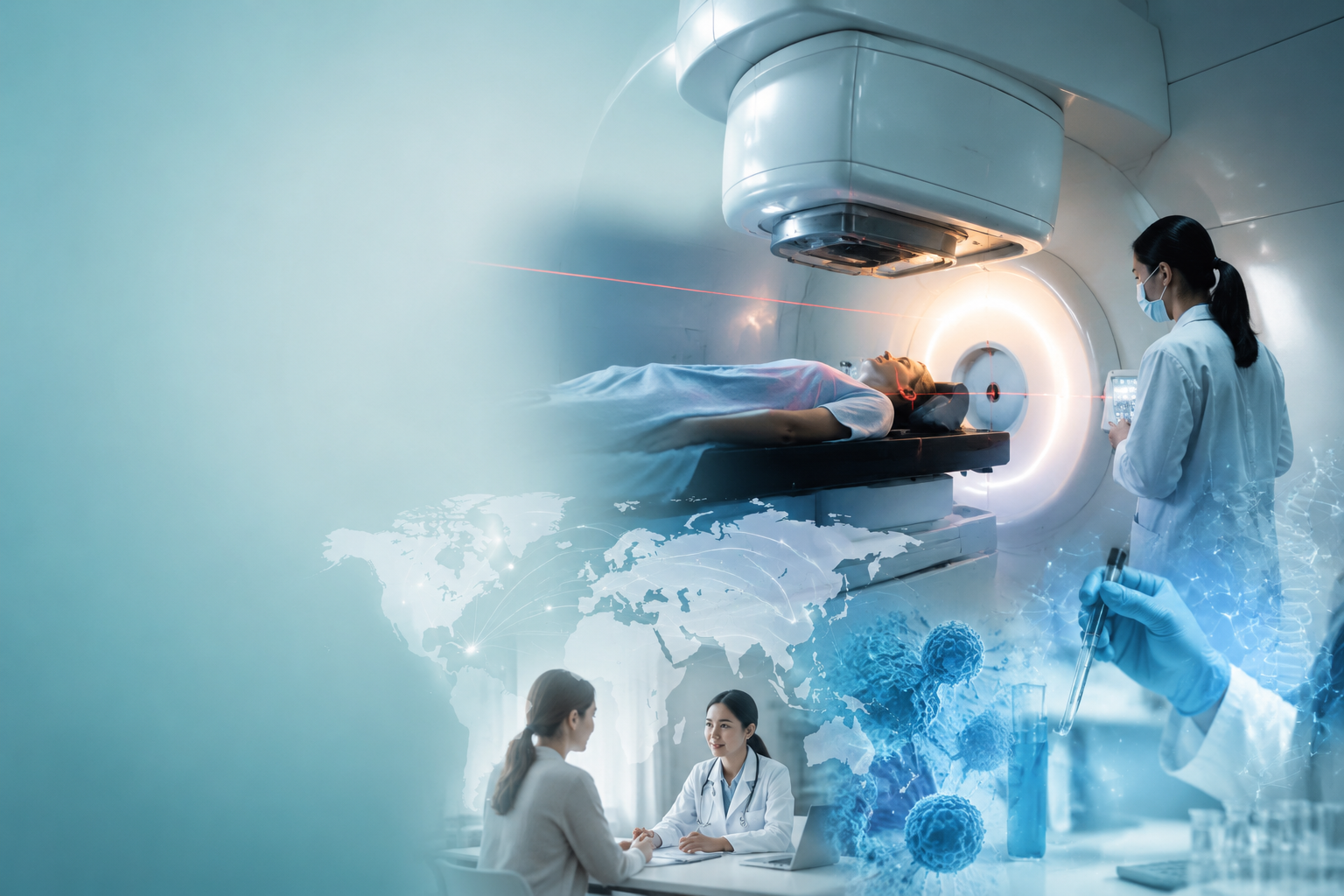
- Proton & Heavy Ion Therapy: China operates 13 of these ultra-advanced cancer centers, the second-highest number globally. Treatment costs are roughly $35,000–$42,000, compared to $110,000–$160,000 in the West, with identical 5-year survival rates.
IV. Seamless Support for International Patients
To eliminate the stress of seeking care abroad, JCI hospitals in China have established dedicated International Medical Centers providing:
- Bilingual Medical Teams: Specialized translators with medical backgrounds ensure that nothing is lost in translation between the patient and the surgical team.
- Concierge Logistics: Dedicated coordinators handle everything from medical visa invitations and airport transfers to local accommodation and multi-currency billing.
- Remote Follow-up Care: Upon returning home, patients remain connected to their Chinese clinical team via video consultations, ensuring long-term recovery is monitored and complications are prevented.
Conclusion: A Smart Choice for Global Health
The reality of Chinese medical tourism is clear: it offers a sophisticated blend of internationally accredited safety, high-volume surgical expertise, and cutting-edge innovation—all delivered with a level of efficiency and affordability that is increasingly hard to find in the West. For the modern patient, China is not just a safe choice; it is a strategic one.